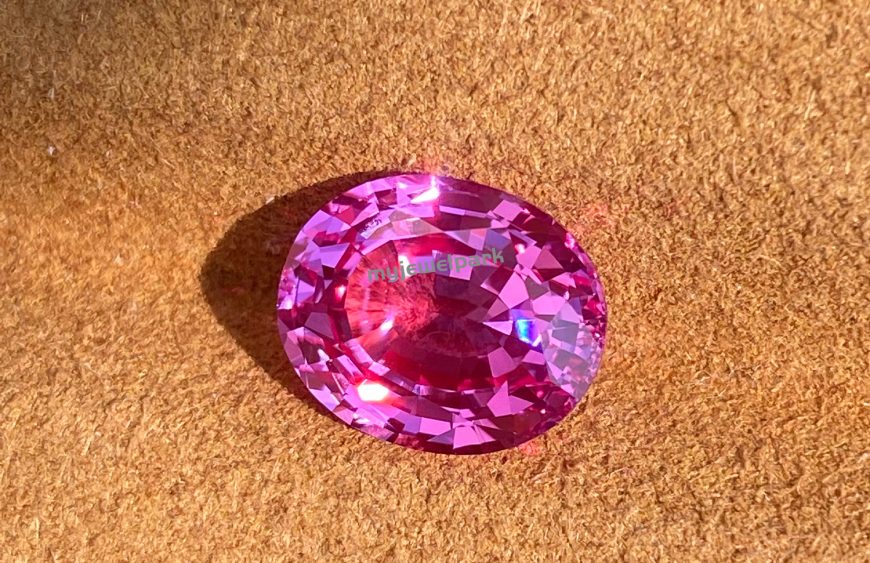
Why Are Some Luxury Brands Secretly Using Lab-Grown Sapphires?
In the world of high-end jewelry, natural sapphires have long symbolized wealth, sophistication, and exclusivity. However, a growing number of luxury brands are quietly integrating lab-grown sapphires into their collections. But why aren’t they openly promoting this shift? And what does it mean for the future of fine jewelry?
The Science Behind Lab-Grown Sapphires
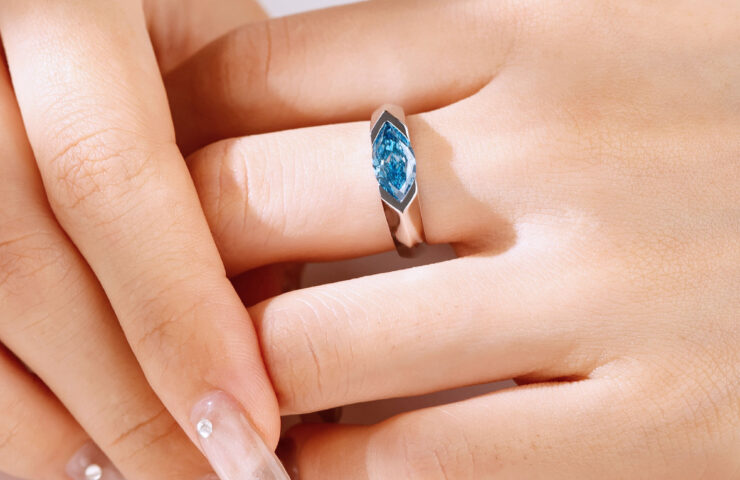
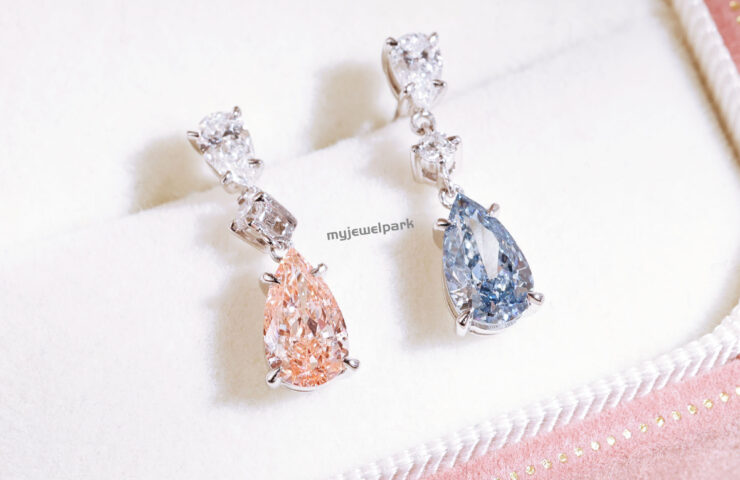
Lab-grown sapphires are not mere imitations—they are chemically, physically, and optically identical to natural sapphires. Created using advanced techniques like the Verneuil process, hydrothermal growth, and the Czochralski method, these gems replicate the exact conditions under which natural sapphires form deep within the Earth. Today’s cutting-edge technology allows lab-created sapphires to develop natural-looking inclusions and subtle internal characteristics, making them nearly indistinguishable from their mined counterparts.
Why Luxury Brands Are Making the Shift
Sustainability and Ethical SourcingThe gemstone mining industry is often criticized for its environmental impact and questionable labor practices. As consumer demand for ethical and eco-friendly jewelry grows, luxury brands are responding by incorporating lab-created gemstones, which are conflict-free and sustainable.
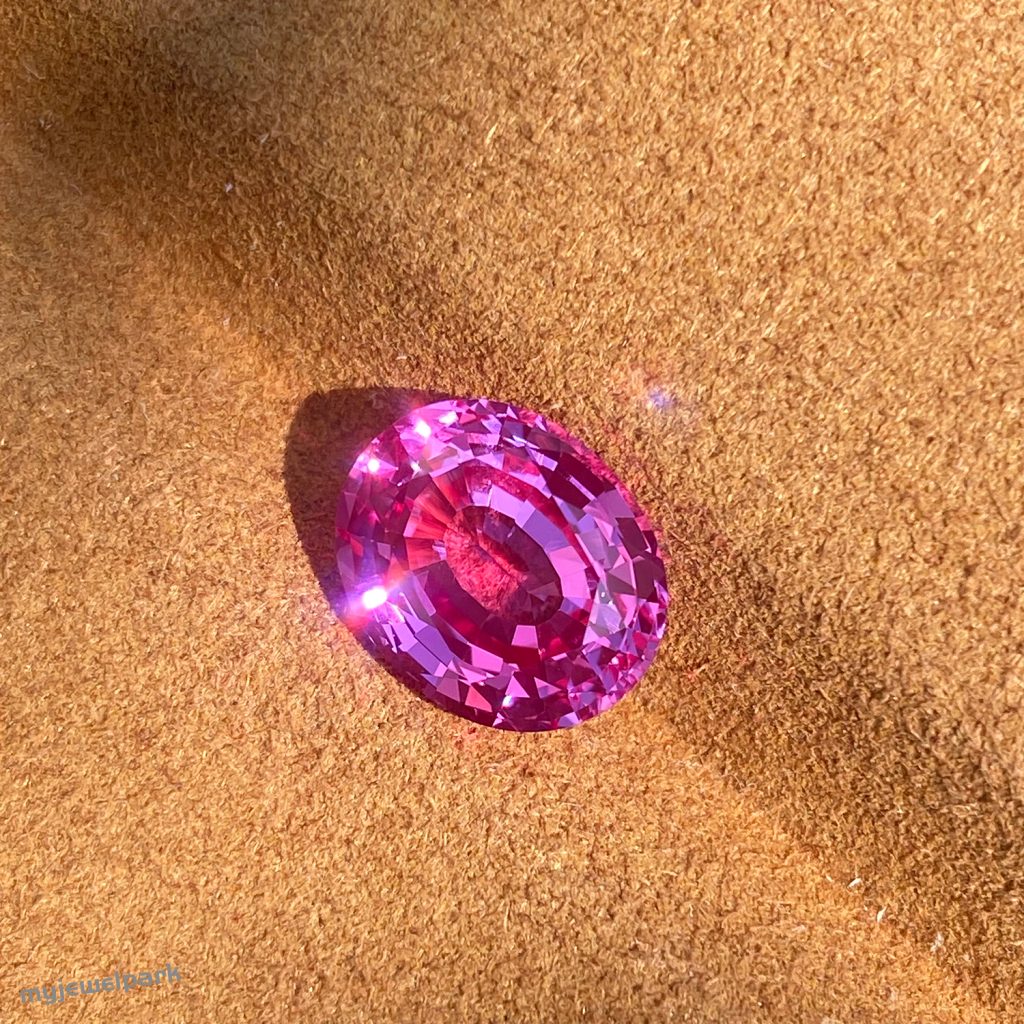
Cost-Effectiveness Without Sacrificing QualityMining high-quality sapphires is an expensive and unpredictable process. In contrast, lab-grown sapphires provide consistent quality at a lower cost, allowing brands to maximize profits while maintaining the allure of luxury.
Meeting the Preferences of Modern ConsumersStudies, including research by MVI Marketing, indicate that over 70% of millennials and Gen Z buyers are open to purchasing lab-grown gemstones due to their ethical production, affordability, and sustainability. As younger generations become key luxury buyers, brands are discreetly adapting to this shift while maintaining their exclusivity.
The Psychology of Wearing Lab-Grown Sapphires
Consumer perception of lab-grown gemstones is evolving rapidly. In the past, synthetic gemstones were often dismissed as “fake.” However, with celebrities, influencers, and sustainable fashion advocates embracing lab-grown jewelry, the stigma is fading.
Psychologically, buyers experience the same emotional satisfaction when wearing a high-quality, beautifully crafted gemstone, regardless of whether it was mined or created in a lab. In fact, many feel even better knowing their jewelry aligns with their values of sustainability and ethical sourcing.
The Transparency Controversy
One of the biggest issues surrounding lab-grown sapphires in luxury jewelry is transparency. Some brands openly market their use of synthetic gemstones, positioning them as a modern, ethical alternative to mined gems. Others, however, choose to remain silent, leading to concerns about whether customers are unknowingly paying premium prices for lab-grown stones marketed as rare and exclusive.
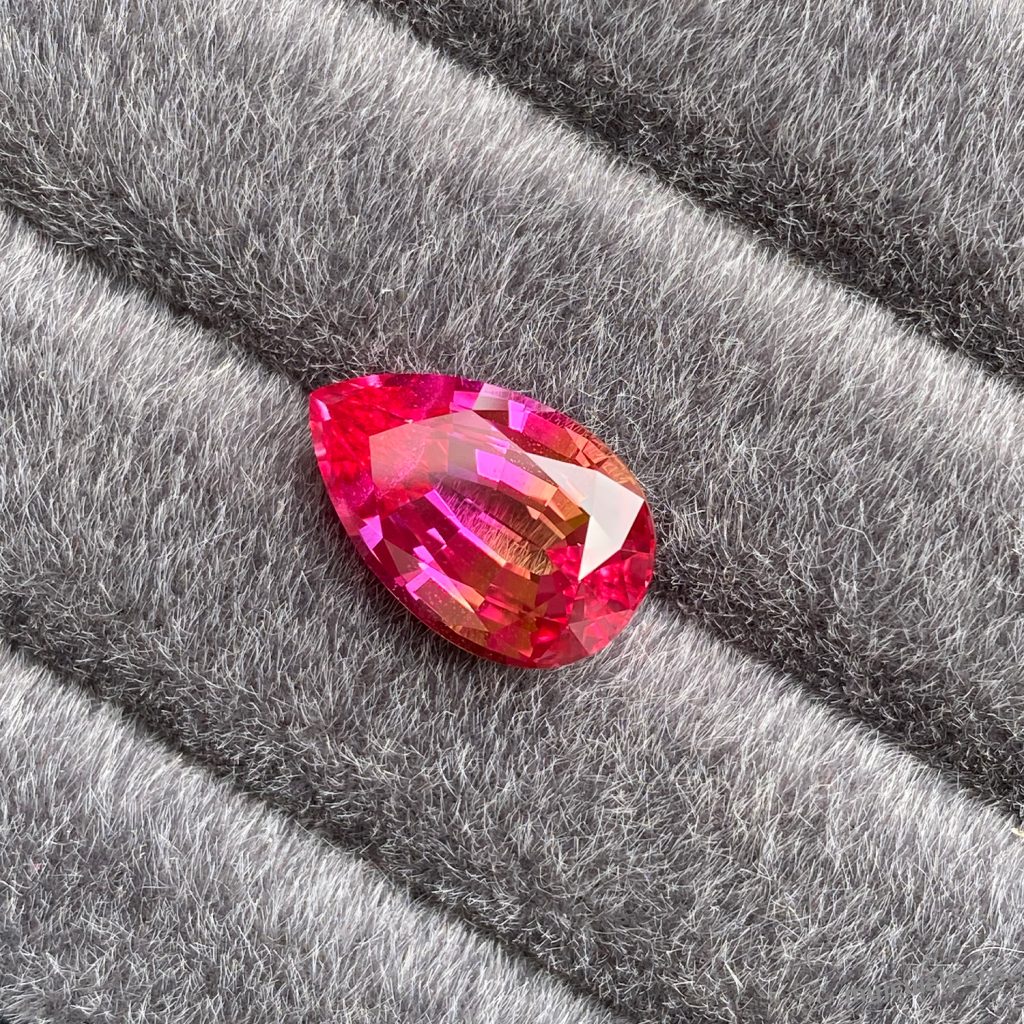
To ensure authenticity, buyers should look for certifications from reputable organizations like the Gemological Institute of America (GIA) or the International Gemological Institute (IGI), which can verify whether a sapphire is natural or lab-created.
Are Lab-Grown Sapphires the Future of Luxury Jewelry?
With scientific advancements making lab-grown sapphires virtually identical to mined ones, the jewelry industry is at a turning point. Luxury brands are realizing that innovation, sustainability, and ethical sourcing are just as desirable as traditional rarity.
Would you buy a lab-grown sapphire from a luxury brand? Do you think high-end jewelry houses should be more transparent about their use of synthetic gemstones? Share your thoughts in the comments below!