Are Lab-Grown Rubies Truly Identical to Natural Ones?
Rubies have long been associated with passion, power, and luxury, making them one of the most sought-after gemstones in history. But with the rise of lab-grown rubies, a major question arises: Are they truly identical to their natural counterparts? And how does the public perceive these scientifically crafted gems?
The Science Behind Lab-Grown Ruby
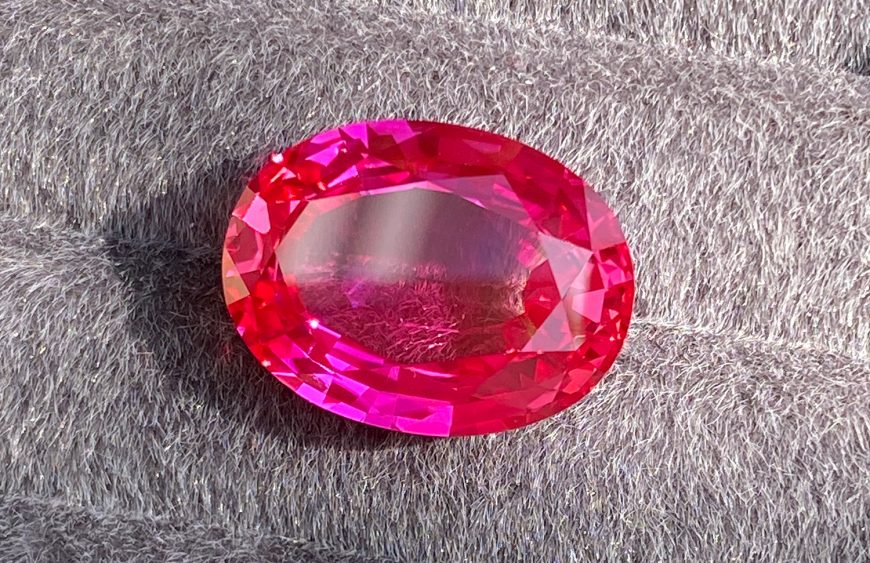
Lab-grown rubies, also known as synthetic rubies. They are chemically, physically, and optically identical to natural rubies. Using advanced techniques such as the Verneuil method, flux growth, and the Czochralski method, scientists can replicate the exact conditions in which rubies form deep within the Earth.
Unlike older synthetic stones, which sometimes had an artificial appearance, today’s lab-created rubies can feature natural-looking inclusions, making them nearly indistinguishable from mined rubies without professional gemological testing.
Natural vs. Lab-Grown: What’s the Difference?
Formation Process
Natural rubies take millions of years to form under extreme heat and pressure within the Earth’s crust.
Lab-grown rubies are created in a controlled environment in a matter of weeks or months.
Quality and Purity
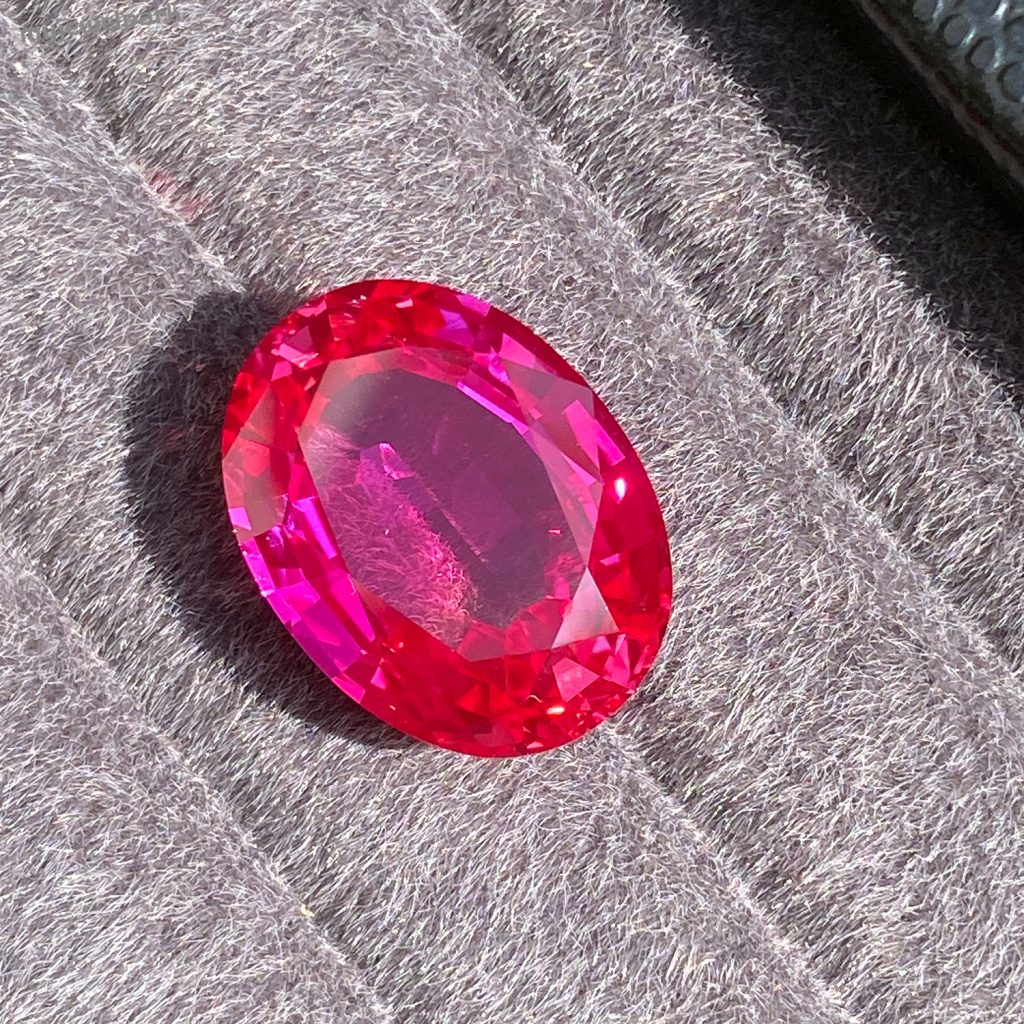
Natural rubies often contain inclusions (imperfections), which can increase their value if they add uniqueness.
Lab-grown rubies can be produced with fewer impurities, resulting in exceptional clarity and color consistency.
Price and Accessibility
Mined rubies, especially high-quality ones, can be extremely expensive due to their rarity.
Lab-grown rubies are typically more affordable, making fine ruby jewelry accessible to a wider audience.
Why Are More Consumers Choosing Lab-Grown Rubies?
Sustainability and Ethical SourcingThe gemstone mining industry is often criticized for its environmental impact and questionable labor practices. As a result, many buyers now prefer conflict-free, sustainable gemstones, which lab-created rubies provide without the ethical concerns associated with traditional mining.
The Appeal of Cutting-Edge TechnologyTechnological advancements now allow lab-grown rubies to mimic the slight inclusions found in natural rubies, making them nearly indistinguishable from mined ones. This evolution has led to a shift in consumer perception—where once “synthetic” meant “fake,” it now represents innovation and precision.
Shifting Consumer PreferencesAccording to studies by MVI Marketing, over 70% of millennials and Gen Z consumers are open to purchasing lab-grown gemstones due to their affordability and sustainability. Many now see lab-created gems as a smarter, future-forward choice.
The Psychology of Wearing Lab-Grown Ruby
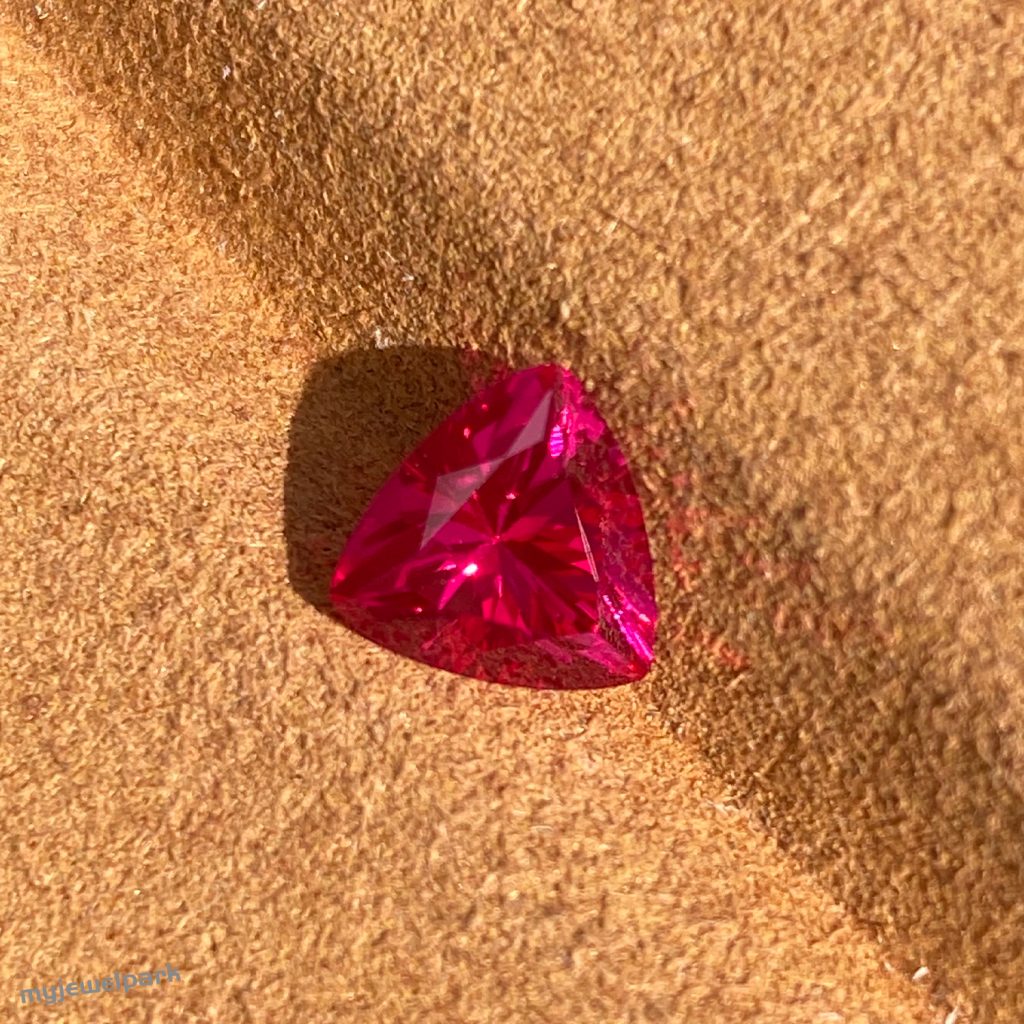
For many, wearing a ruby symbolizes passion, confidence, and strength. Studies show that the psychological satisfaction of wearing lab-grown rubies is just as strong as wearing natural ones. The knowledge that their gemstone was produced ethically and with advanced technology often enhances the wearer’s connection to the jewelry.
Additionally, celebrities and influencers are embracing lab-grown gemstones, further normalizing them in the luxury market. As the stigma fades, more people feel empowered choosing ethically sourced, sustainable, and scientifically perfected gemstones.
Are Lab-Grown Rubies the Future of Fine Jewelry?
With technology making lab-created rubies virtually identical to their natural counterparts, the jewelry industry is evolving. Buyers are beginning to prioritize ethics, sustainability, and affordability over the traditional notion of rarity.
Would you choose a lab-grown ruby over a natural one? Do you think the jewelry industry should be more transparent about lab-created gemstones? Join the conversation in the comments below!