Why Does My Lab Emerald Look Blue? (It’s Not Your Fault)
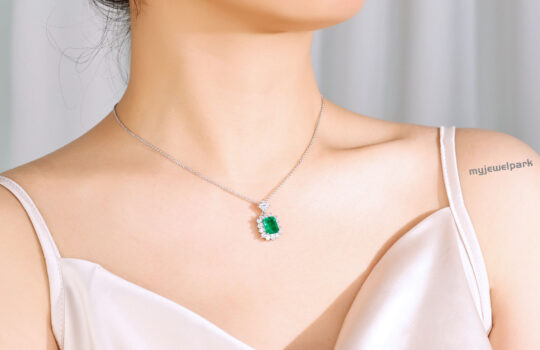
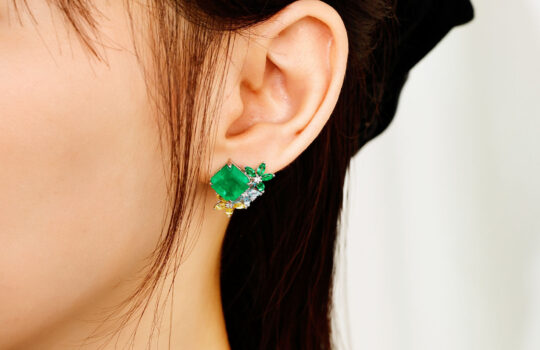
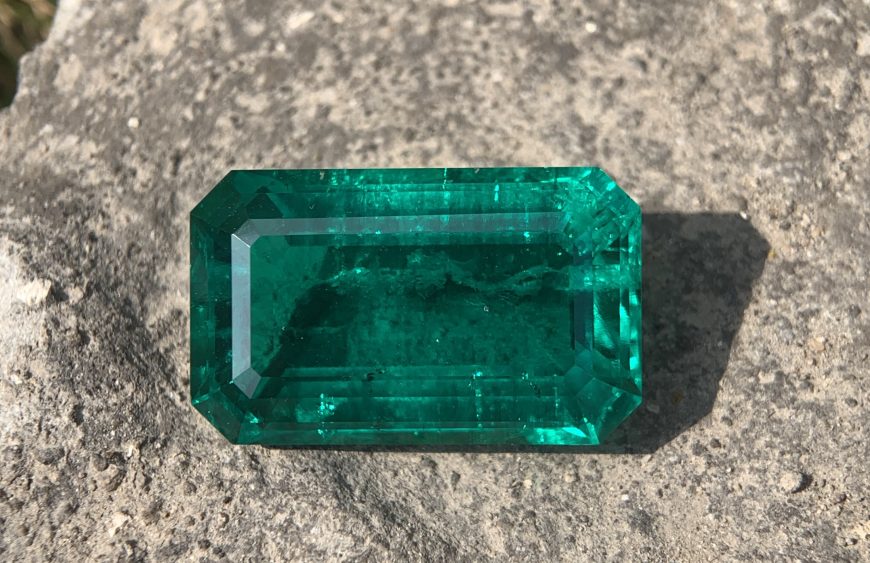
If you recently bought a lab-grown emerald and noticed it looks more blue than green, you’re not alone. Many buyers experience this color shift, but the good news is that it’s not a defect—it’s science. Understanding why this happens can help you appreciate your gemstone even more.
The Science Behind the Color Shift
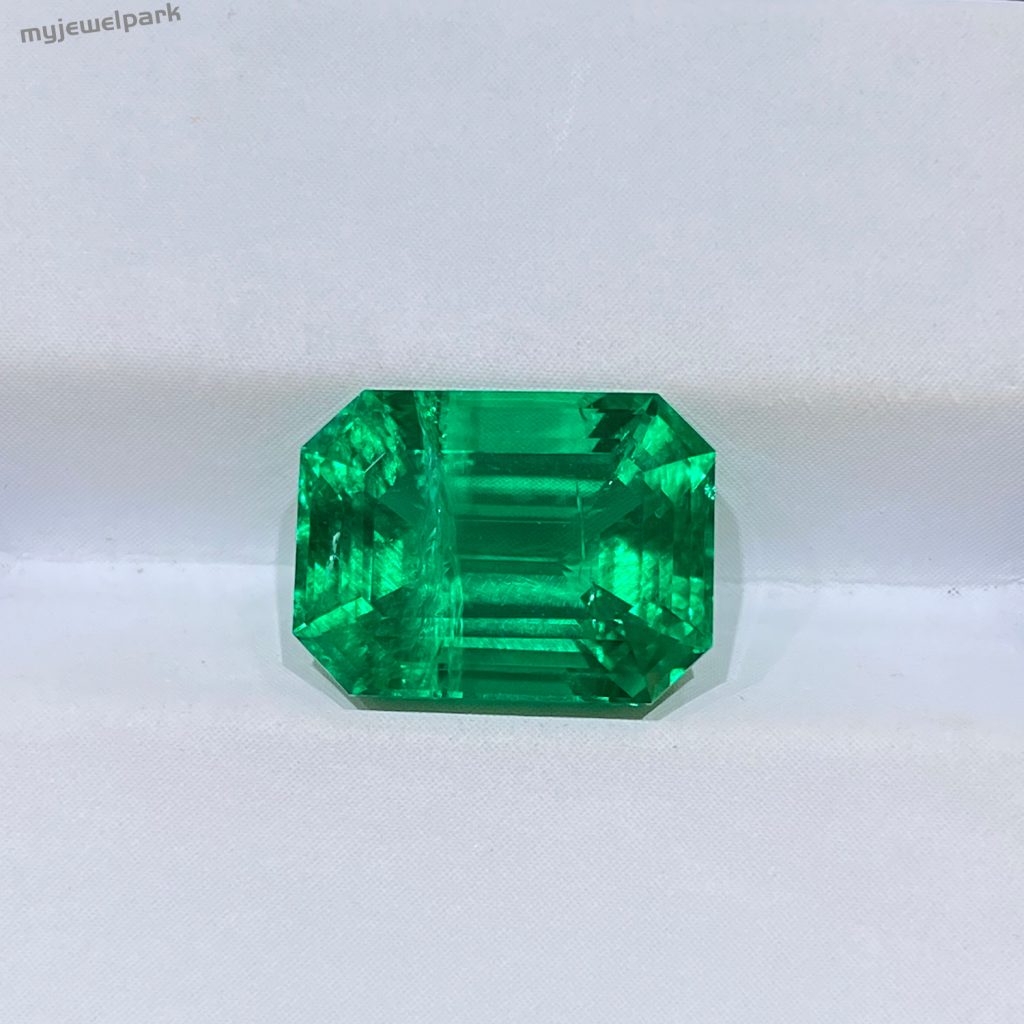
Lab-created emeralds are chemically identical to natural emeralds. They share the same crystal structure, composition, and inclusions. However, lighting conditions play a big role in how your gemstone appears. Under cool LED or fluorescent light, some lab-grown emeralds can show a blue-green tint instead of a warm, deep green. This is due to the way synthetic emeralds interact with different light wavelengths. Natural emeralds also exhibit this trait, but since people are used to seeing them under natural daylight or warm lighting in jewelry stores, they may not notice the shift as much.
Additionally, some lab emeralds contain trace amounts of vanadium or iron, which can enhance the blue undertones. This is similar to certain Colombian emeralds, which are prized for their bluish-green hue. So if your emerald looks a bit more blue in some lighting, it might just mean you have a high-quality stone with unique optical properties.
Public Perception: Do People Care?
There’s a growing interest in lab-grown gemstones, especially among younger consumers who prioritize sustainability and affordability. According to a 2023 study by MVI Marketing, 70% of Millennials and Gen Z shoppers consider lab-created gemstones a smart and ethical choice. And with celebrities and influencers embracing lab-grown diamonds and emeralds, the stigma of synthetics is fading fast.
Still, there’s a psychological aspect to wearing lab-grown jewelry. Some buyers worry that lab emeralds don’t carry the same prestige as natural ones, but that perception is changing. With advanced technology, today’s lab-created emeralds feature natural-looking inclusions and a milky body that mimics high-quality natural emeralds, rather than the overly perfect or glassy look of older synthetic stones.
The Advantages of Lab-Grown Emeralds
Beyond aesthetics, lab-grown emeralds offer significant advantages:
Affordability: Lab emeralds cost up to 90% less than their natural counterparts, making them accessible without sacrificing quality.
Sustainability: Traditional emerald mining can be destructive to the environment, while lab-grown emeralds have a much smaller ecological footprint.
Durability & Purity: Many lab emeralds have fewer fractures than mined ones, meaning they are less likely to break.
Technological Advancements: Modern methods, like hydrothermal synthesis, now create emeralds with the same growth patterns as natural stones, ensuring they look more authentic than ever before.
Embracing the Future of Gemstones
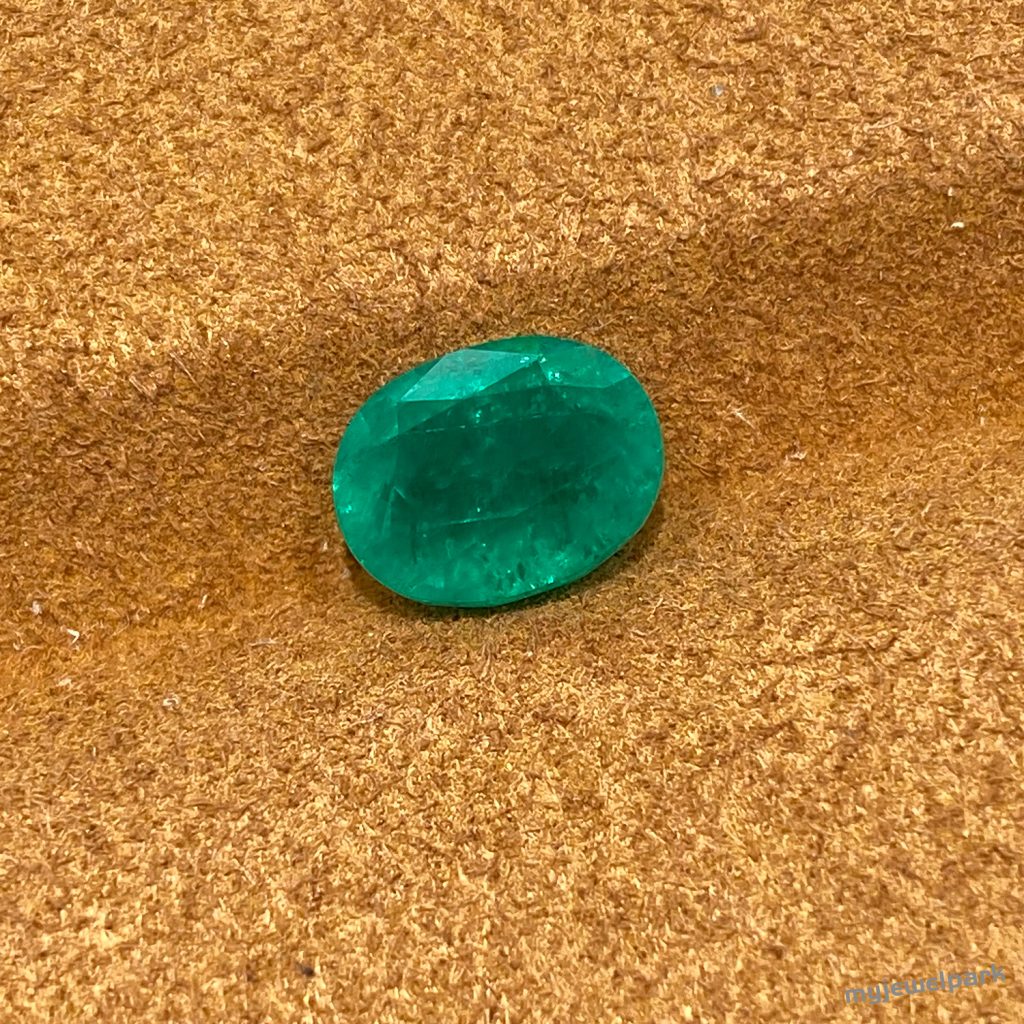
If your lab-grown emerald look blue, it’s simply a result of lighting and trace elements—not a flaw. In fact, it can be a sign of quality, much like sought-after Colombian emeralds. As technology improves and public perception shifts, lab-grown gemstones are becoming the future of fine jewelry. So, wear your emerald with confidence, knowing you’ve made a smart, ethical, and beautiful choice.
Have you noticed color shifts in your lab-grown gemstones? Share your experience in the comments below!