Why Does My Lab Sapphire Look Milky?
Sapphires are treasured for their deep, velvety blue and sparkling clarity. But if you’ve recently purchased a lab-grown sapphire, you may have noticed a milky or cloudy appearance instead of the expected crystal-clear brilliance. So, why does this happen? And does it mean your sapphire is of lower quality? Let’s explore the science behind this fascinating phenomenon.
1. What Causes Lab-Grown Sapphire to Look Milky?
Several factors can contribute to a hazy or milky appearance in lab-created sapphires:
Crystal Growth Process: The method used to create a lab-grown sapphire can influence its clarity. Some sapphires grown using the flux method or hydrothermal process can develop internal structures that scatter light, giving them a slightly cloudy or silky effect.
Microscopic Inclusions: Even though lab sapphires are grown in controlled environments, they can still develop silk-like inclusions, similar to natural sapphires. These inclusions are tiny rutile or gas bubbles that can create a soft glow inside the gemstone.
Light Diffusion: The internal composition of a lab sapphire can sometimes cause light to diffuse differently, leading to a less transparent, more milky appearance.
Tip: A slight haze doesn’t necessarily mean your sapphire is low-quality. In fact, some natural sapphires with similar inclusions, like those from Sri Lanka, are highly valued for their soft, velvety look.
2. Does a Milky Appearance Affect the Value?
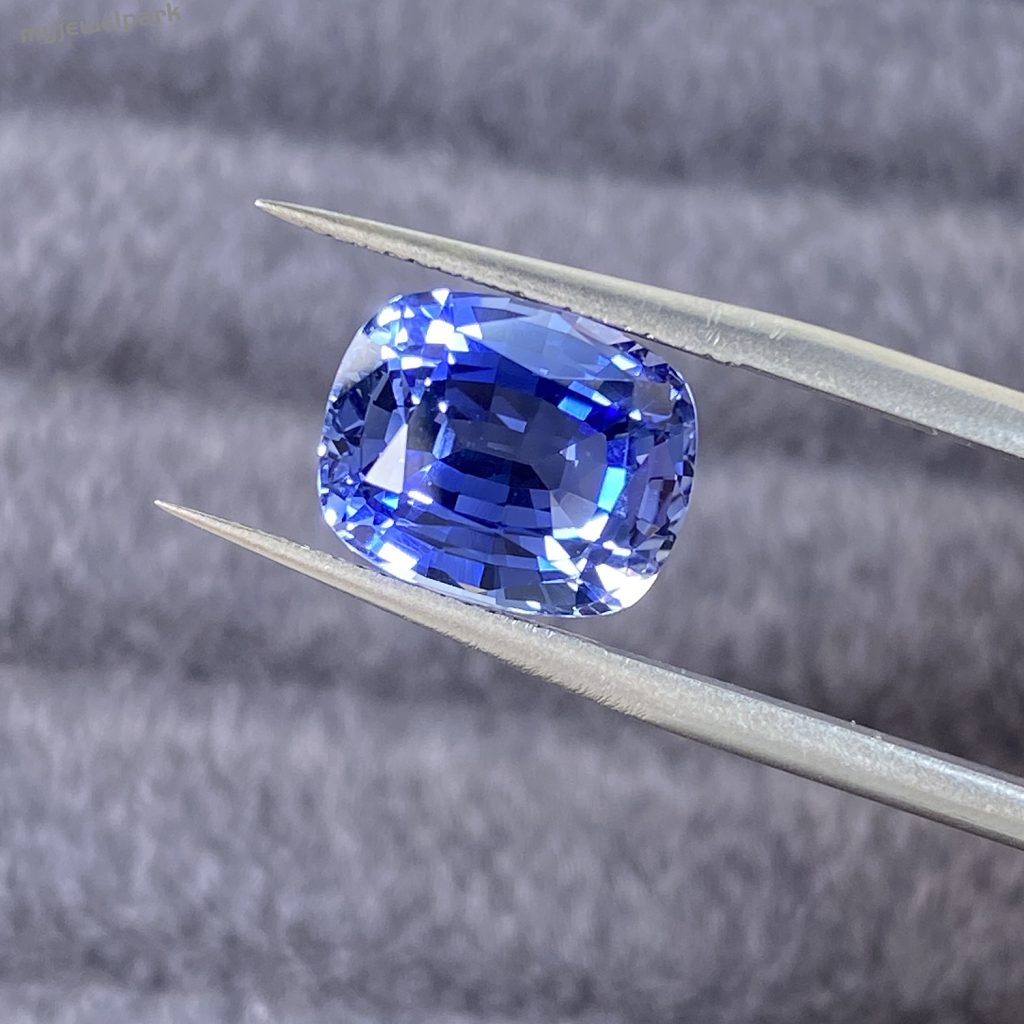
The clarity of a sapphire—whether natural or lab-grown—affects its value, but not always negatively. Some people prefer a sapphire with a slight glow or silkiness, as it can give the stone a unique, dreamy appearance.
However, if the milkiness is too pronounced, it can reduce brilliance, making the sapphire look dull rather than vibrant. This is why high-quality lab sapphires are carefully cut to maximize their luster, even if they have some internal cloudiness.
3. How to Check If Your Sapphire Is Truly Milky
Observe under different lighting: Some sapphires look cloudy in certain lighting conditions but appear clearer under natural light.
View from multiple angles: Tilt the stone and see how it interacts with light—if it still sparkles, the milkiness may just be a unique characteristic rather than a flaw.
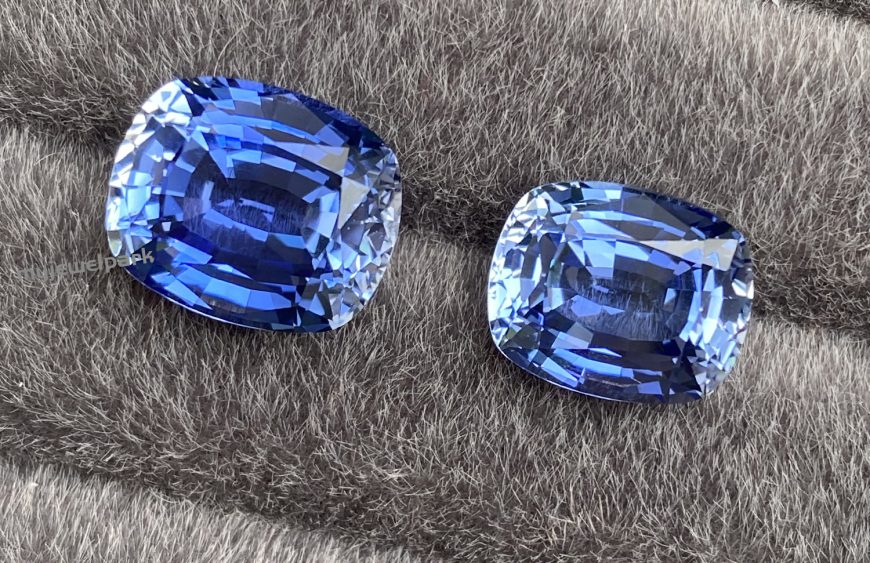
Compare with other sapphires: If you have access to other sapphires, compare their transparency and clarity side by side.
4. The Psychological Appeal of Lab-Grown Sapphires
Lab-created sapphires are not just about aesthetics—they represent innovation, sustainability, and ethical beauty. Studies show that more than 70% of millennial buyers prefer lab-grown gemstones due to their conflict-free origins and eco-friendliness. The slight milky effect in some lab sapphires doesn’t take away from their beauty—it adds character and uniqueness.
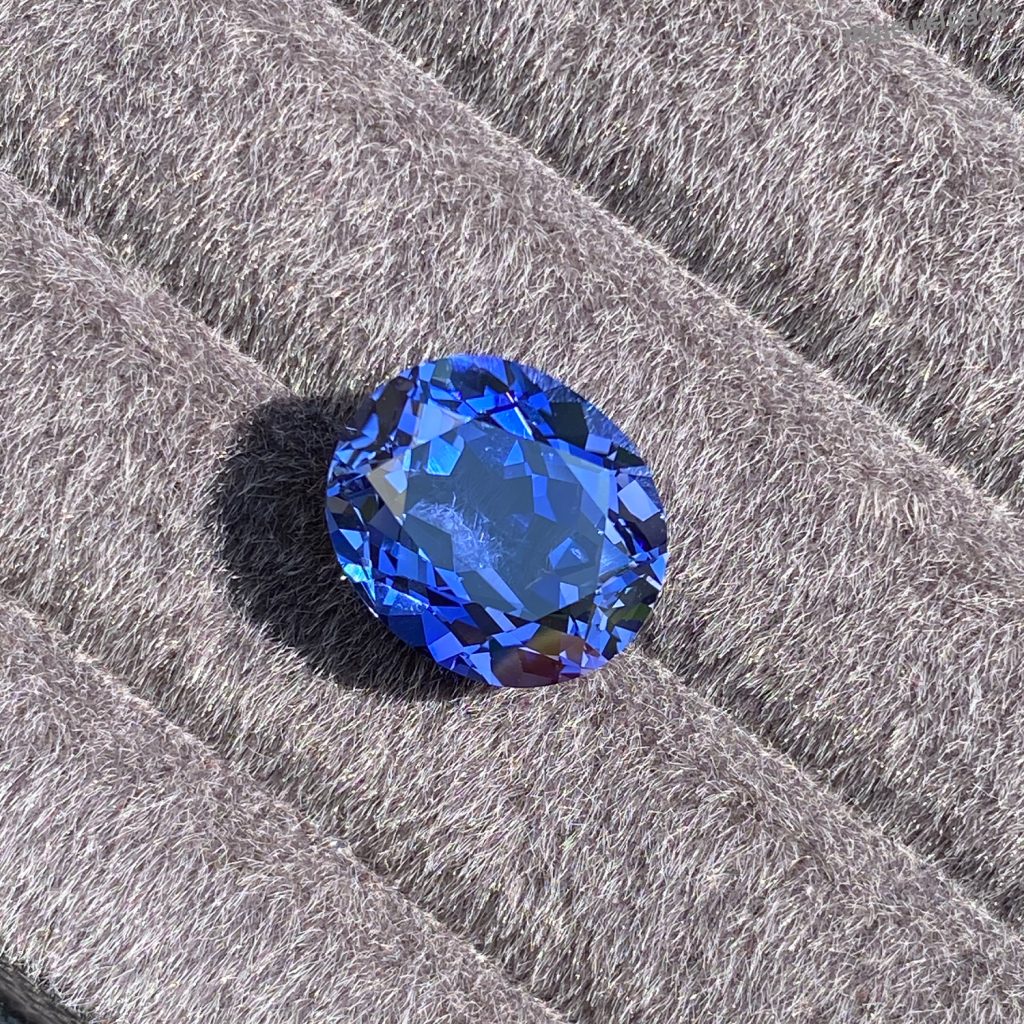
Should You Be Concerned About a Milky Lab Sapphire?
A slight milky effect in your lab-grown sapphire is usually a result of the growth process and can even enhance its uniqueness. Instead of viewing it as a flaw, consider it a distinctive feature that makes your sapphire one of a kind!
Would you prefer a perfectly clear sapphire or one with a soft, velvety glow? Share your thoughts in the comments below!