Which Is the Best Quality Blue Sapphire in the World?
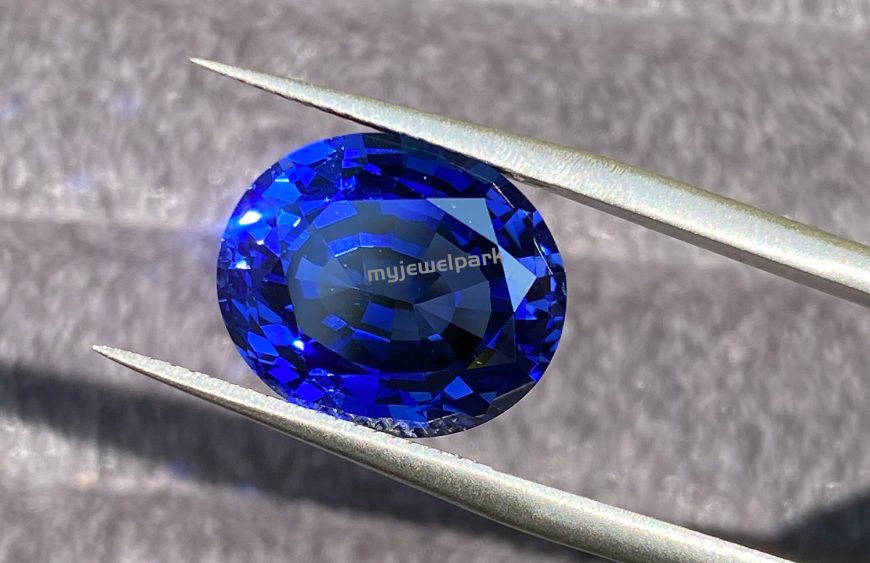
Blue sapphires are among the most sought-after gemstones, prized for their deep, velvety hues and timeless elegance. But which blue sapphire is considered the best in the world? While factors like color, origin, and clarity play a role in determining quality, modern lab-grown sapphires are also gaining recognition for their near-perfect beauty.
The Finest Blue Sapphires by Origin
Kashmir Sapphires – The Ultimate Standard
Mined in the Himalayan region of Kashmir, these sapphires are famous for their velvety, cornflower blue hue with a soft, glowing effect caused by fine silk-like inclusions.
Due to their rarity (mines have been nearly depleted since the early 20th century), Kashmir sapphires fetch record-breaking prices at auctions.
Burmese Sapphires – Intense & Vivid
Originating from Myanmar (Burma), these sapphires are known for their rich royal blue color with high saturation and minimal gray or green undertones.
Burmese sapphires often have fewer inclusions than Kashmirs but still retain excellent depth of color.
Ceylon (Sri Lankan) Sapphires – Bright & Brilliant
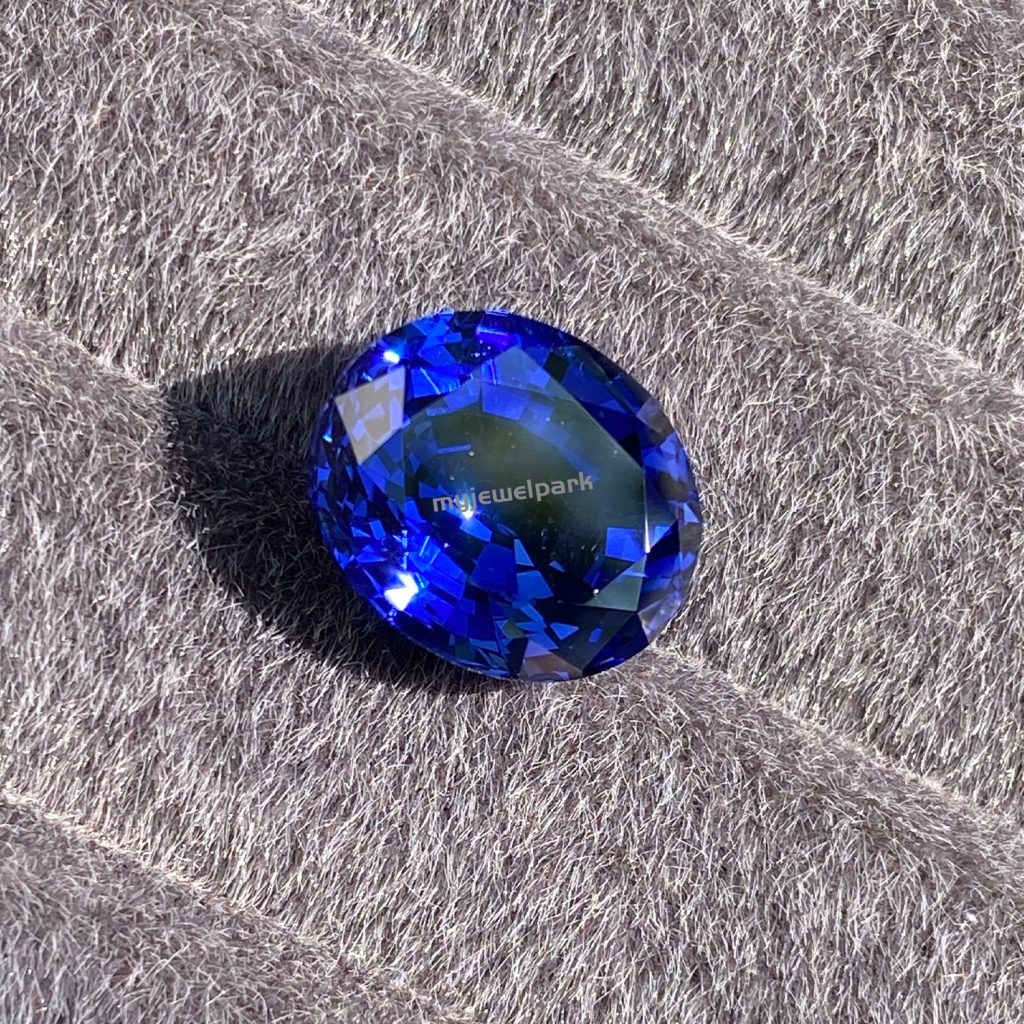
Sri Lanka produces some of the brightest and most luminous sapphires, often with a lighter blue shade that sparkles under different lighting conditions.
They are more widely available than Kashmir and Burmese sapphires, making them a popular high-quality option.
Madagascar & Australian Sapphires – Affordable Excellence
Madagascar sapphires can rival the quality of Sri Lankan stones but are relatively newer to the market.
Australian sapphires tend to have deeper, inky blue tones with strong color zoning, making them less valuable but still beautiful.
The Rise of Lab-Grown Blue Sapphires
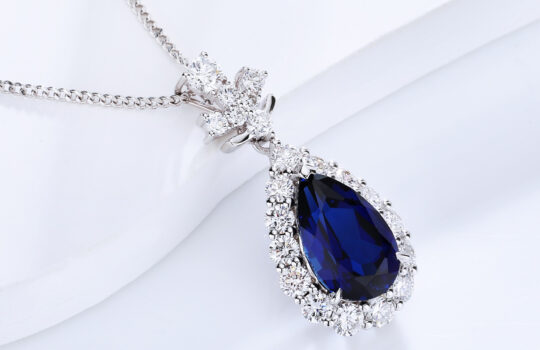
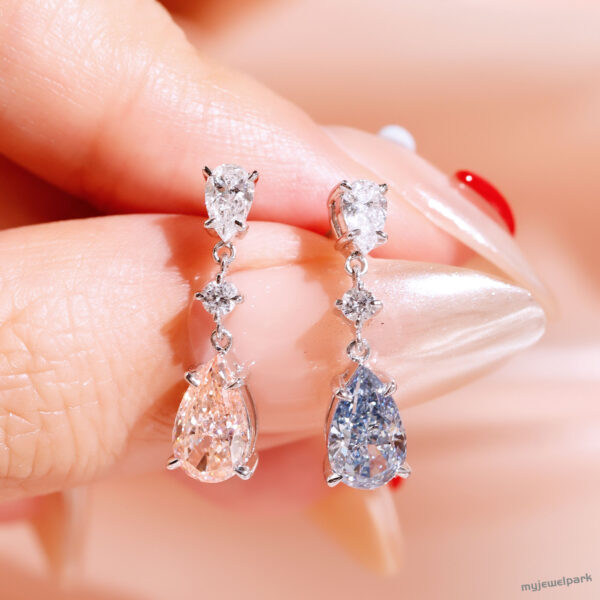
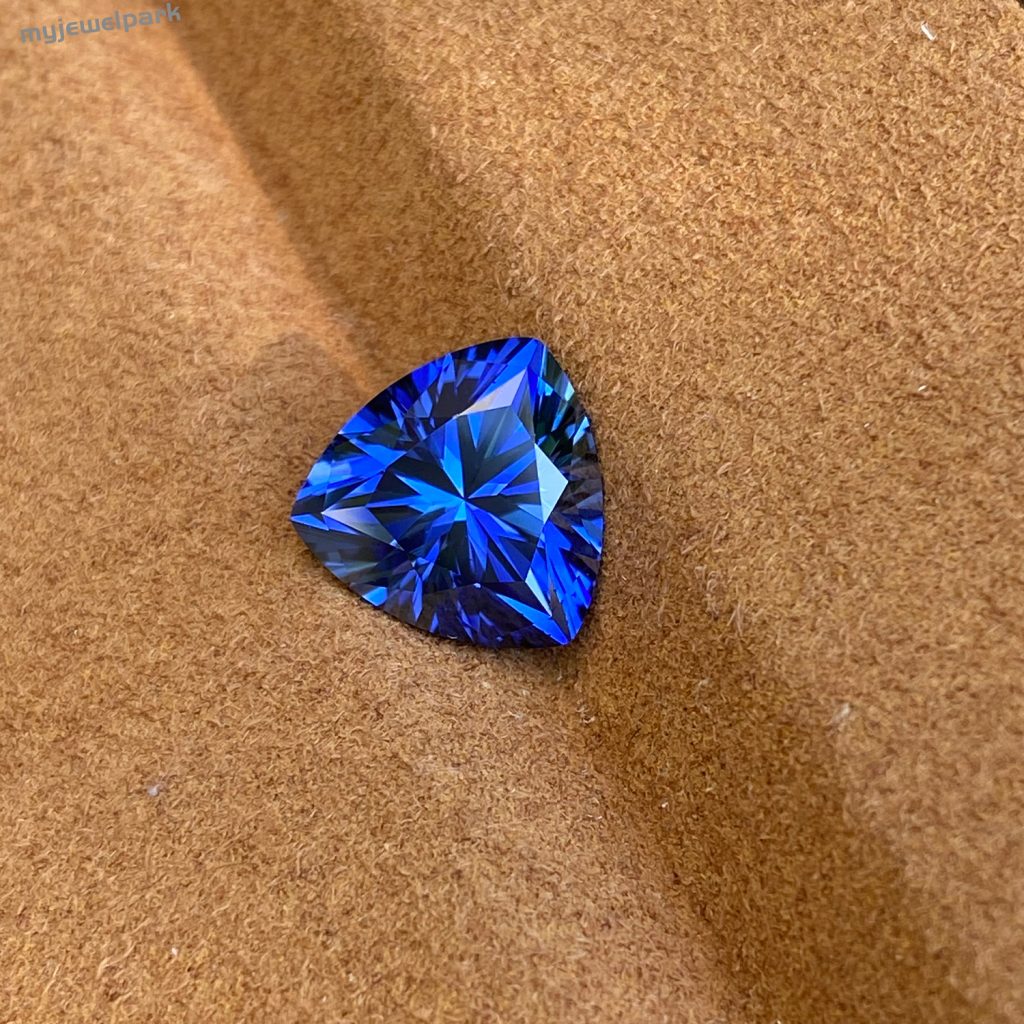
With technological advancements in gemstone creation, lab-created sapphires now offer the same stunning blue hues as their natural counterparts, often without the imperfections found in mined stones. Hydrothermal and flame fusion techniques allow for precise color control, resulting in sapphires with the deep, velvety look of a Kashmir or Burmese sapphire—at a fraction of the price.
Why Are Consumers Choosing Lab-Grown Sapphires?
Sustainability & Ethics – Traditional sapphire mining can cause environmental damage and ethical concerns. Lab-grown sapphires are eco-friendly, conflict-free alternatives.
Affordability – Lab-created sapphires cost 70-90% less than their mined equivalents, making high-quality stones accessible to more buyers.
Customization & Quality Control – Scientists can replicate the ideal sapphire hues found in the rarest stones while maintaining flawless clarity and durability.
Changing Consumer Perceptions
A 2023 report by the International Gem Society (IGS) found that over 65% of millennials and Gen Z buyers are open to lab-grown gemstones, valuing sustainability and affordability. Social media platforms like Instagram and TikTok have further normalized lab-created sapphires as part of the modern fine jewelry market.
Psychologically, many buyers now see lab-grown sapphires not as synthetic but as scientifically advanced luxury stones, a shift that has led high-end jewelers to include them in their collections.
Kashmir sapphires remain the world’s most prized, followed by Burmese and Sri Lankan stones. However, with lab-grown blue sapphire now offering the same deep blues, velvety textures, and optical brilliance as the finest mined stones, they are becoming a go-to choice for ethical and budget-conscious buyers.
Would you choose a lab-grown sapphire for its ethical and financial benefits, or do you prefer the prestige of a rare, natural gem? Share your thoughts in the comments!