Can You Tell the Difference Between Moissanite and Diamond?
With the rise of lab-grown gemstones, moissanite has become a popular alternative to diamonds, offering incredible brilliance and durability at a fraction of the price. But can you tell the difference between moissanite and a real diamond just by looking? The answer may surprise you.
Key Differences Between Moissanite and Diamond
Brilliance and Fire
Moissanite has a higher refractive index (2.65 vs. 2.42 for diamond), meaning it bends light more intensely. This results in a rainbow-like sparkle (called “fire”), which some people love, while others find too flashy.
Diamonds, on the other hand, have a sharper, more white-light brilliance, making them appear crisper and more traditional.
Hardness and Durability
Diamonds rank 10 on the Mohs hardness scale, making them the hardest known natural material.
Moissanite ranks 9.25, making it the hardest gemstone after diamond and incredibly resistant to scratches and everyday wear.
Color Differences
Natural diamonds range from colorless (D-F grades) to slightly yellow or brown (G-J grades and beyond).
Moissanites were once slightly yellow or greenish, but modern lab-created moissanites now come in colorless or near-colorless (D-F) options, making them almost indistinguishable from diamonds.
Price Comparison
Moissanite is significantly more affordable, costing about 10% of a diamond’s price for the same size and quality.
A 1-carat diamond can cost anywhere from $4,000 to $10,000, while a 1-carat moissanite typically costs between $300 and $600.
Can the Difference Be Seen with the Naked Eye?
For most people, distinguishing between a high-quality moissanite and a diamond is difficult without specialized tools. However, some trained eyes may notice:
A more colorful sparkle (rainbow flashes) in moissanite.
Slight double refraction in larger moissanites when viewed under magnification.
Less sharp facet edges compared to a diamond.
Why Many Are Choosing Moissanite Over Diamonds
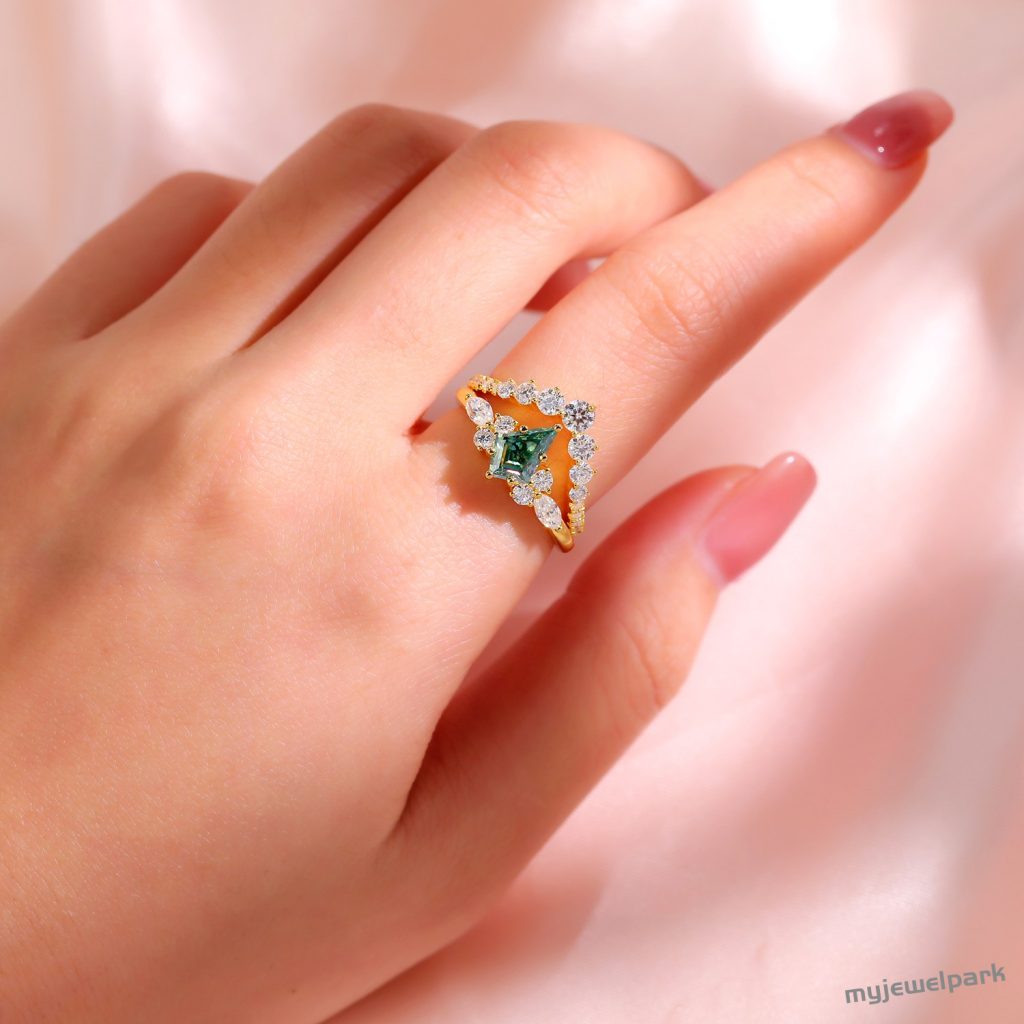
With shifting consumer priorities, lab-grown gemstones like moissanite are gaining popularity—especially among millennials and Gen Z buyers, who prioritize ethics, sustainability, and affordability. According to a 2023 survey by the International Gem Society (IGS), over 60% of young consumers are open to choosing moissanite or lab-grown diamonds over natural diamonds.
Advantages of Moissanite:
Eco-Friendly & Ethical
Unlike mined diamonds, moissanite is lab-created, ensuring no unethical mining practices or environmental destruction.
Affordability
With prices up to 90% lower than diamonds, buyers can afford larger, high-quality stones without breaking the bank.
Durability & Everyday Wear
Moissanite’s exceptional hardness (9.25 Mohs) makes it ideal for engagement rings and daily jewelry without the worry of scratches.
Future
While moissanite and diamonds look remarkably similar, trained jewelers and gemologists can tell the difference using specialized tools like diamond testers and loupes. However, for the average buyer, a high-quality moissanite is virtually indistinguishable from a diamond, making it an attractive choice for those looking for a sustainable, affordable, and dazzling alternative.
Would you consider moissanite over a diamond for its ethical and financial benefits? Share your thoughts in the comments!