What Is the Difference Between a Ruby and a Pigeon Blood Ruby?
Rubies have long been admired for their intense red color and historical significance, but not all rubies are the same. Some are simply called rubies, while others are labeled “pigeon blood rubies”, a term that signifies the highest level of quality. But what exactly sets a pigeon blood ruby apart from a regular ruby? And how do lab-grown rubies compare to these coveted natural gemstones?
What Defines a Pigeon Blood Ruby?
A pigeon blood ruby is not just any red gemstone—it’s the most valuable and rarest category of ruby. Here’s what makes it special:
Color Intensity
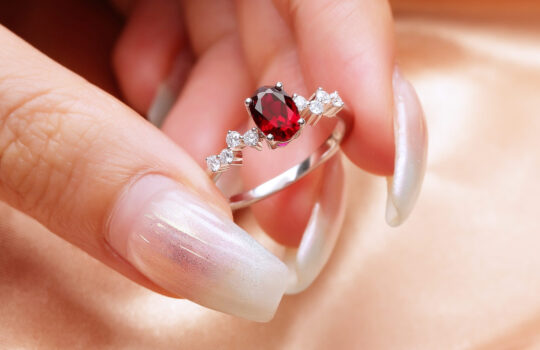
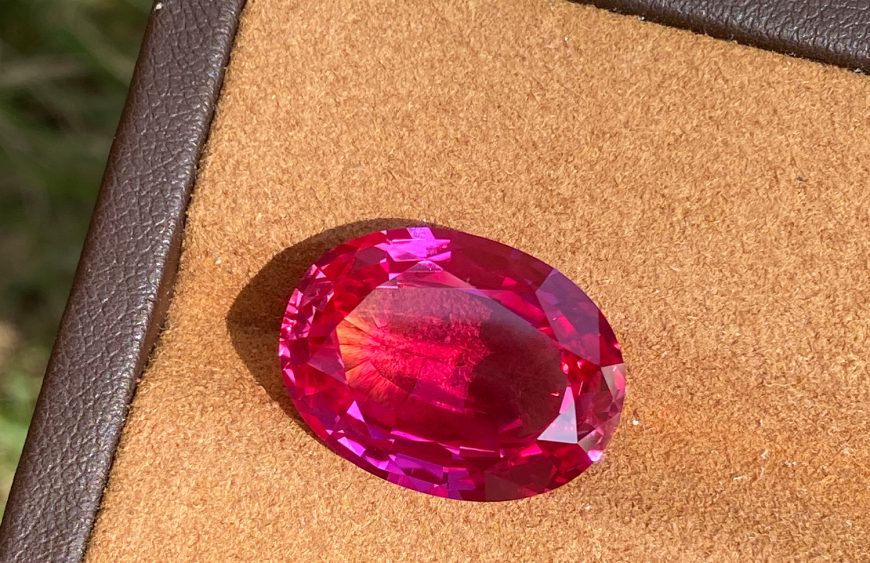
The term pigeon blood refers to a deep, vibrant red with a hint of blue undertones, giving the stone a glowing appearance.
It lacks brown or orange hues, which can diminish a ruby’s desirability.
This color is often compared to the first drop of blood from a freshly killed pigeon, hence the name.
Origin Matters
While rubies can be found in Mozambique, Thailand, Vietnam, and Madagascar, the finest pigeon blood rubies come from Myanmar (Burma).
Burmese rubies are prized for their rich fluorescence, which enhances their internal glow even in low light.
Clarity and Transparency
A true pigeon blood ruby should have minimal visible inclusions when viewed with the naked eye.
Some inclusions, such as fine silk-like structures, are acceptable as they help scatter light, adding to the stone’s signature glow.
How Do Standard Rubies Compare?
Regular rubies can range in color from pinkish-red to deep red, but they may not have the same intense saturation as pigeon blood rubies.
Many rubies contain visible inclusions that affect their clarity and brilliance.
Heat treatment is commonly used to enhance the color and clarity of rubies, while top-grade pigeon blood rubies are often left untreated due to their naturally superior quality.
The Rise of Lab-Grown Rubies
With growing awareness of sustainability and ethical concerns, lab-grown rubies are becoming an increasingly attractive alternative to mined rubies, even those with a pigeon blood hue.
Why Are Consumers Choosing Lab-Grown Rubies?
Identical Beauty and Structure

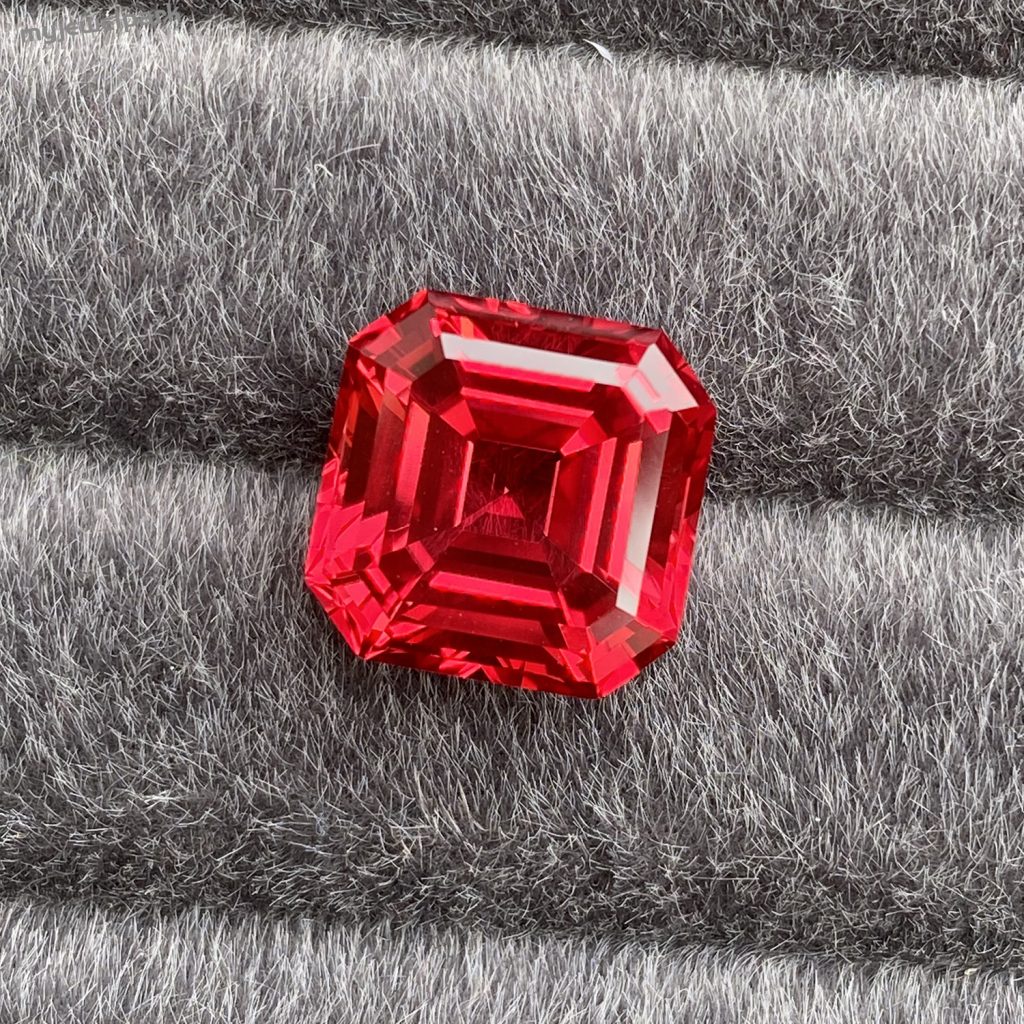
Lab-created rubies have the same chemical composition, hardness (9 on the Mohs scale), and vibrant red color as natural rubies.
With advanced crystal-growing techniques, scientists can now replicate the pigeon blood hue, making lab rubies visually indistinguishable from high-quality natural rubies.
Affordability
A top-quality pigeon blood ruby can cost hundreds of thousands per carat, while a lab-grown alternative offers the same beauty at a fraction of the price.
Ethical and Sustainable Choice
Unlike mined rubies, which can involve environmental destruction and unethical labor practices, lab-grown rubies are conflict-free and eco-friendly.
Changing Market Trends & Consumer Perception
According to a 2023 study by the International Gem Society (IGS), over 65% of millennials and Gen Z consumers are open to buying lab-grown gemstones, valuing their ethical sourcing and affordability.
Luxury jewelry brands are also recognizing this shift. Many designers are incorporating high-quality lab-grown rubies into their collections, proving that lab-created gemstones are not just an alternative but a modern luxury choice.
Choose
Pigeon’s blood ruby is considered the pinnacle of ruby quality due to its rich red hue and rarity. But lab-grown rubies now offer the same beauty at a more affordable and sustainable price. Would you choose a lab-grown ruby for its sustainability and affordability, or would you prefer the rarity of a natural pigeon’s blood ruby? Share your thoughts in the comments!