What Factors Affect the Price of an Emerald Stone?
Emeralds, the lush green gemstones cherished for their rarity and beauty, can be expensive, but what determines their price? Whether you’re looking to invest in a natural emerald or a lab-grown emerald, several factors play a crucial role in the value of this precious gem.
1. Color: The Most Important Factor
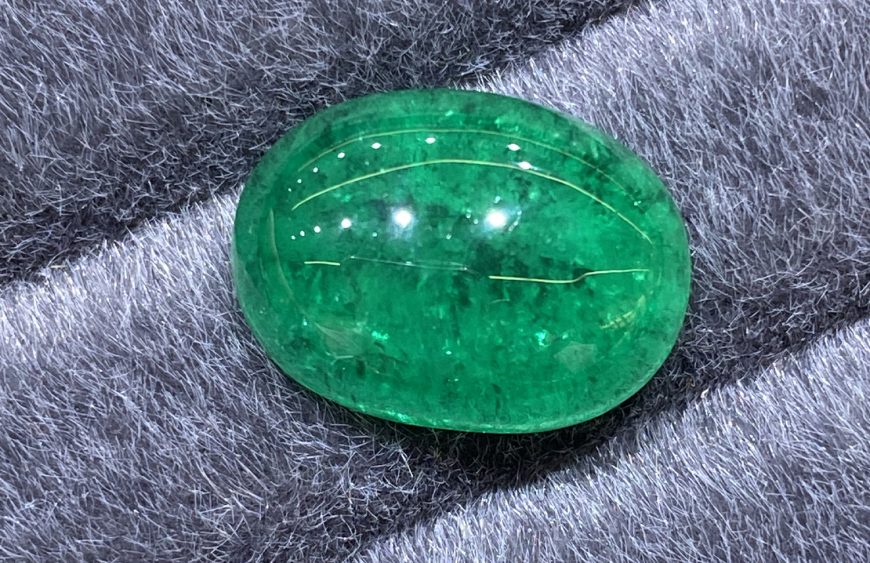
When it comes to emerald pricing, color is the most significant factor. The most valuable emeralds exhibit a deep, rich green hue with no secondary tints (such as blue or yellow). Emeralds with the perfect green color often come from Colombia, one of the world’s most famous sources of emeralds. The more vibrant and pure the green, the higher the price.
Emeralds from other sources, such as Zambia or Brazil, can also vary in color, with Zambian emeralds often showing a more bluish-green hue. This difference can affect the market price, as Colombian emeralds are traditionally considered the most desirable.
2. Clarity: Inclusions and Natural Marks
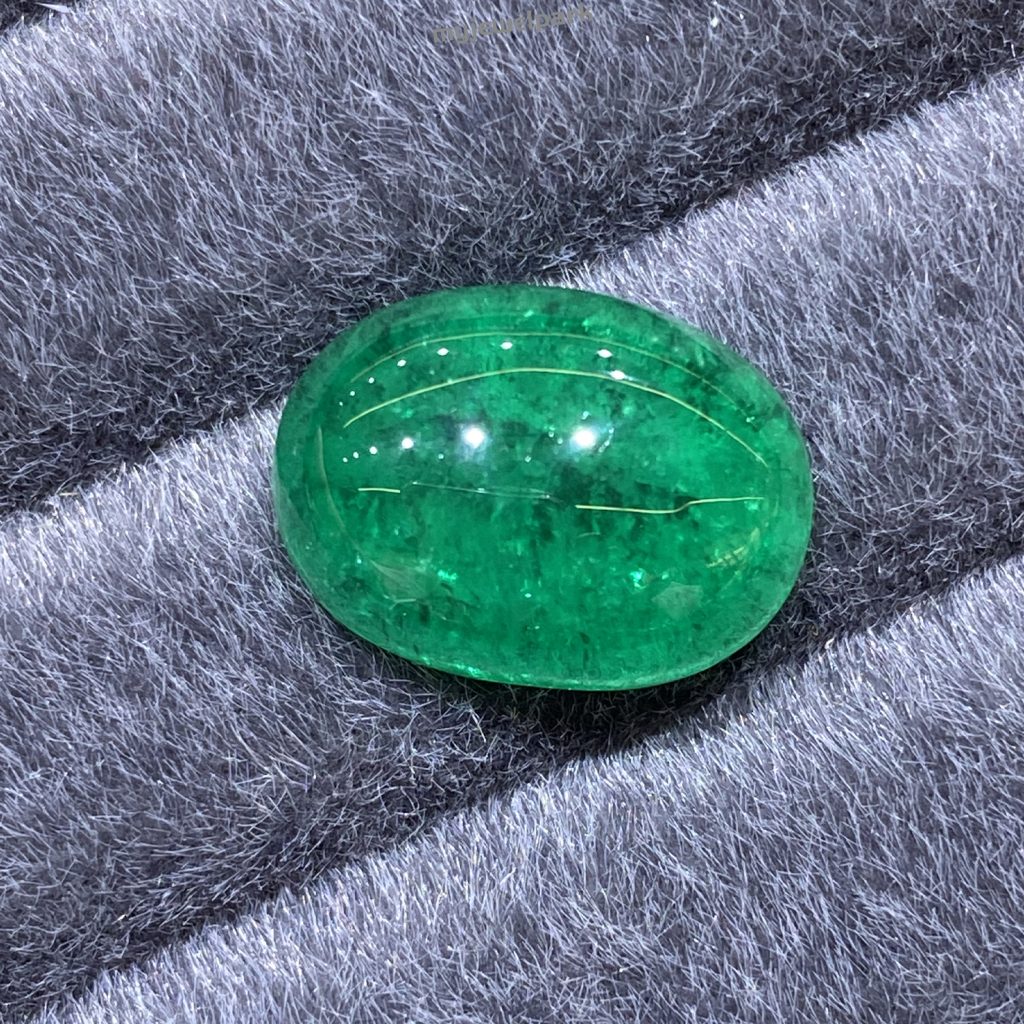
Emeralds are known for containing inclusions, sometimes referred to as the gemstone’s “birthmarks.” These inclusions are naturally occurring and often affect the clarity of the stone. Emeralds with fewer inclusions tend to be more valuable, as they allow more light to pass through, enhancing their overall appearance. However, some inclusions are so characteristic of emeralds that they are accepted as part of their charm.
While natural emeralds can exhibit inclusions that impact clarity, lab-grown emeralds have the advantage of being able to offer better clarity. Lab-created emeralds are cultivated in controlled environments, allowing for the production of gems with fewer imperfections and more consistent clarity, making them an attractive alternative for those who prioritize flawlessness.
3. Cut: The Shape and Quality of the Gem
The cut of an emerald also affects its value. While round diamonds dominate in cut popularity, emeralds are typically cut into emerald cuts, which are rectangular or square shapes with cropped corners. This specific cut is designed to enhance the emerald’s clarity and showcase its color. Other cuts, like cushion, oval, or pear, can also be seen but are less common in the emerald world.
A well-cut emerald maximizes the gem’s brilliance and color, adding to its aesthetic appeal and thus its value. A poorly cut emerald, on the other hand, may not display its full color potential, leading to a lower price.
4. Carat Weight: Bigger Isn’t Always Better
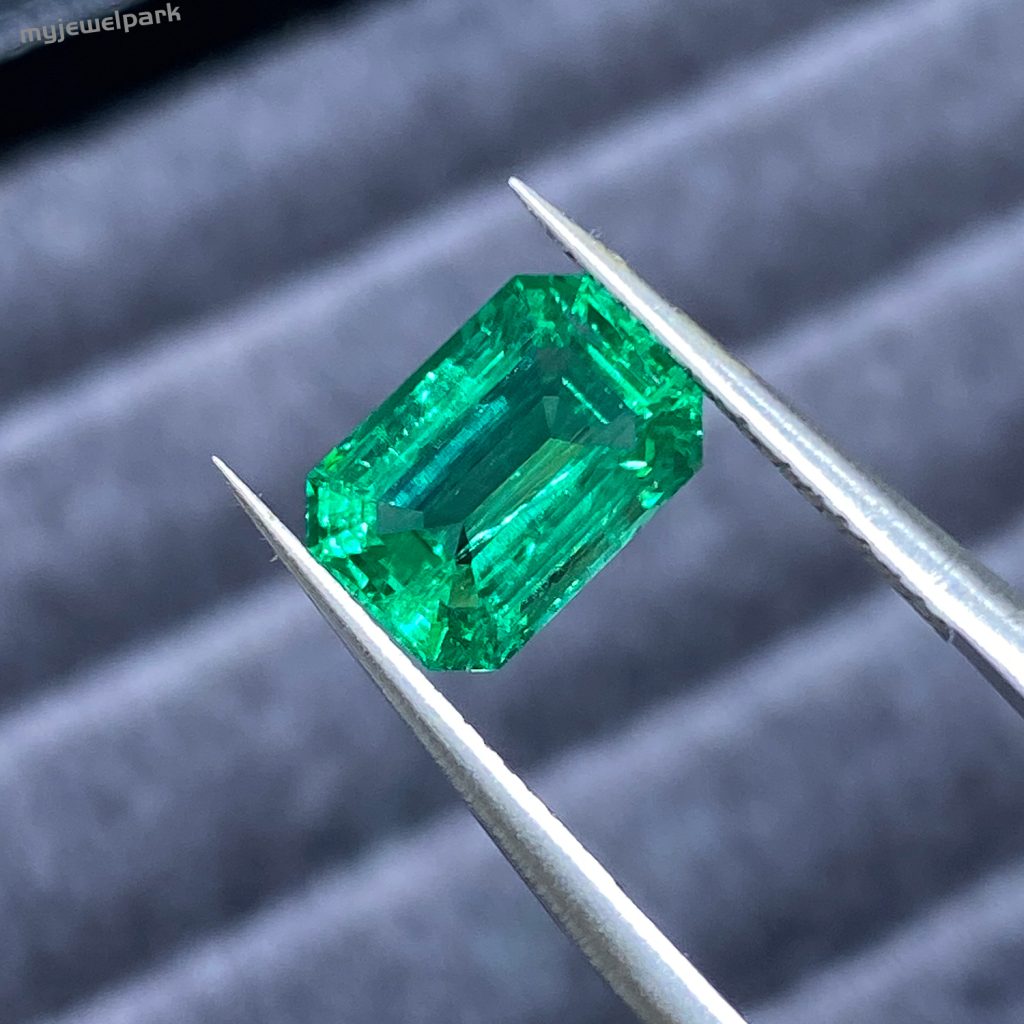
Carat weight is another essential factor when determining emerald prices, but the weight does not always directly correlate with price. Larger emeralds are rarer, but quality should always come before size. A smaller emerald with better color and clarity can sometimes be worth more than a larger, lower-quality stone.
Emeralds over 5 carats are rare, and as size increases, so does their price—but only if the other factors (color, clarity, cut) remain high. For those seeking affordable emeralds, lab-grown emeralds may offer a larger size at a fraction of the cost, while still maintaining excellent quality.
5. Lab-Grown Emeralds: A New Frontier
As technology advances, lab-grown emeralds are becoming increasingly popular due to their ethical sourcing, sustainability, and lower cost. Created in labs using high-tech equipment, cultured emeralds have identical chemical compositions to natural emeralds. The emerging trend of purchasing lab-grown emeralds has made them a more accessible option for consumers who are environmentally conscious or budget-conscious but still desire a genuine emerald gemstone.
The Future of a New Frontier
While the factors above—color, clarity, cut, and carat weight—are the primary drivers of emerald pricing, lab-grown emeralds offer a more affordable and ethical alternative to natural stones. With advancements in technology, lab-created emeralds now boast comparable quality, making them a top choice for many gemstone buyers. Would you choose a lab-grown emerald for its lower price and ethical advantages, or would you prefer the authenticity of a natural gem? Let us know your thoughts in the comments below!