What Does Wearing a Sapphire Ring Mean? A Deeper Look at Symbolism and Modern Choices
Sapphire rings have long carried layers of meaning, from royal associations to spiritual beliefs. But the question “What does wearing a sapphire ring mean?” isn’t just symbolic. It’s become a trending topic in searches across platforms like Google, YouTube, and Quora. Whether worn as a fashion choice, engagement ring, or spiritual talisman, sapphire jewelry continues to stir debate, tradition, and transformation in today’s market.
Blue sapphires have been linked to truth, loyalty, and wisdom
In medieval Europe, clergy wore them to symbolize heaven. In South Asia, they’ve been used for centuries in astrological rituals. Even today, many believe a sapphire ring can protect the wearer from envy or misfortune. The term “blue sapphire ring meaning” ranks among the top gemstone-related keyword searches in North America, with thousands of monthly queries.
Modern consumers approach this tradition from many angles
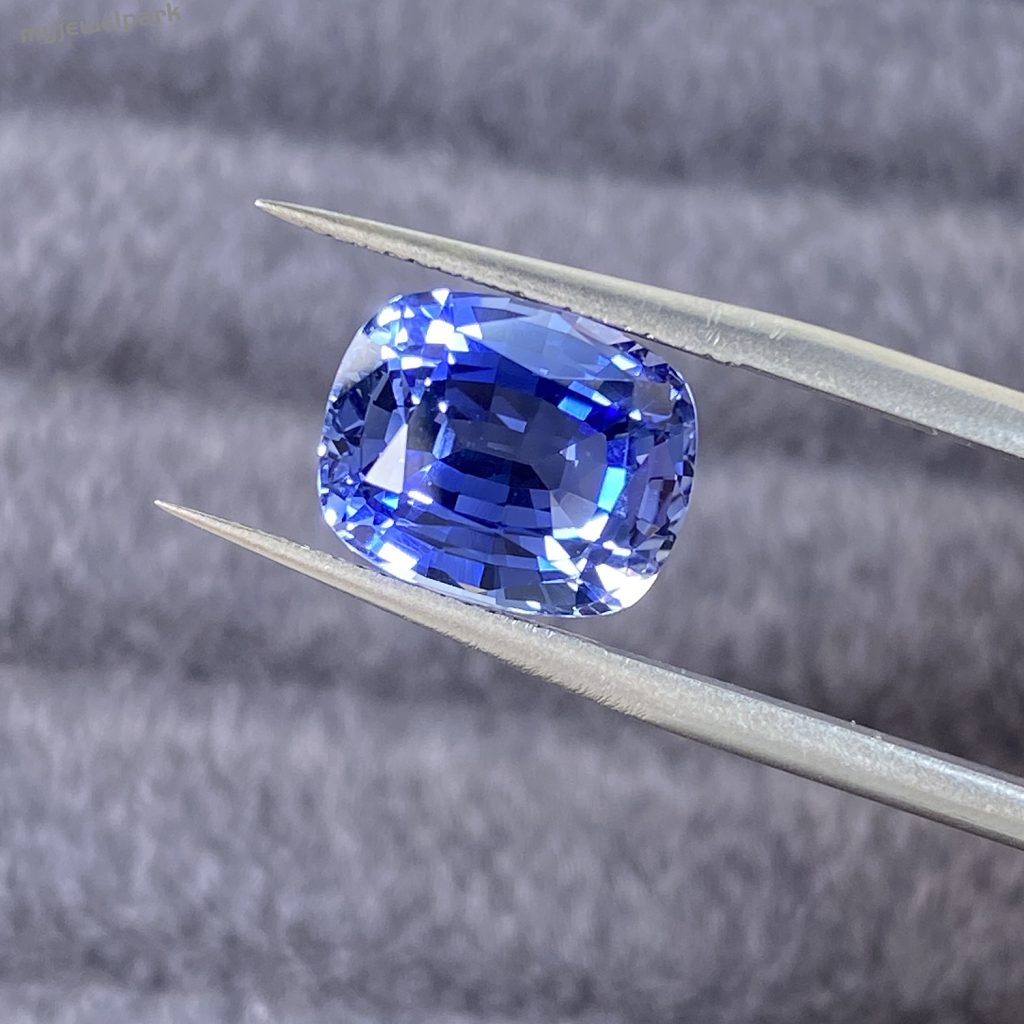
A viral Reddit post on r/Crystals asked, “Do sapphire rings actually change your luck or is it just a nice stone?” Responses were split. Some users swore by the gemstone’s effect, claiming it brought them emotional stability and financial clarity. Others dismissed those claims, pointing to the placebo effect or simply calling it superstition. Similar disagreements unfold in YouTube comment sections under high-traffic videos titled “Sapphire gemstone meaning and power”—many featuring astrologers, skeptics, and gemstone dealers weighing in.
On the design side, sapphires have earned a strong place in contemporary engagement culture
After Princess Diana—and later Kate Middleton—wore a blue sapphire engagement ring, search volume for “sapphire engagement ring meaning” soared globally. For some, it’s a symbol of enduring love and individuality in a market flooded with diamonds. For others, it’s a nod to elegance without embracing traditional norms.
Not all sapphires are the same, though. Natural sapphires often undergo treatments like heat enhancement to deepen their color or improve clarity. This has led to concerns about authenticity. According to the Gemological Institute of America (GIA), over 90% of sapphires in circulation are treated in some way. These interventions may affect long-term durability and value, especially when not disclosed at the point of sale.
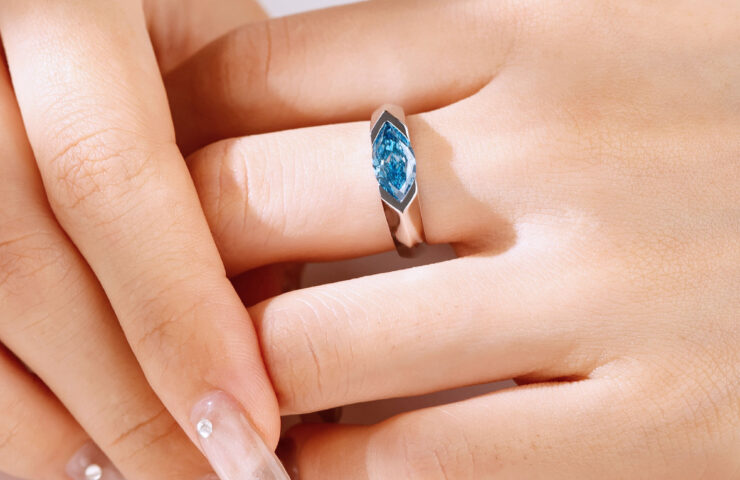
Interest in lab-grown sapphires has surged in response to these concerns
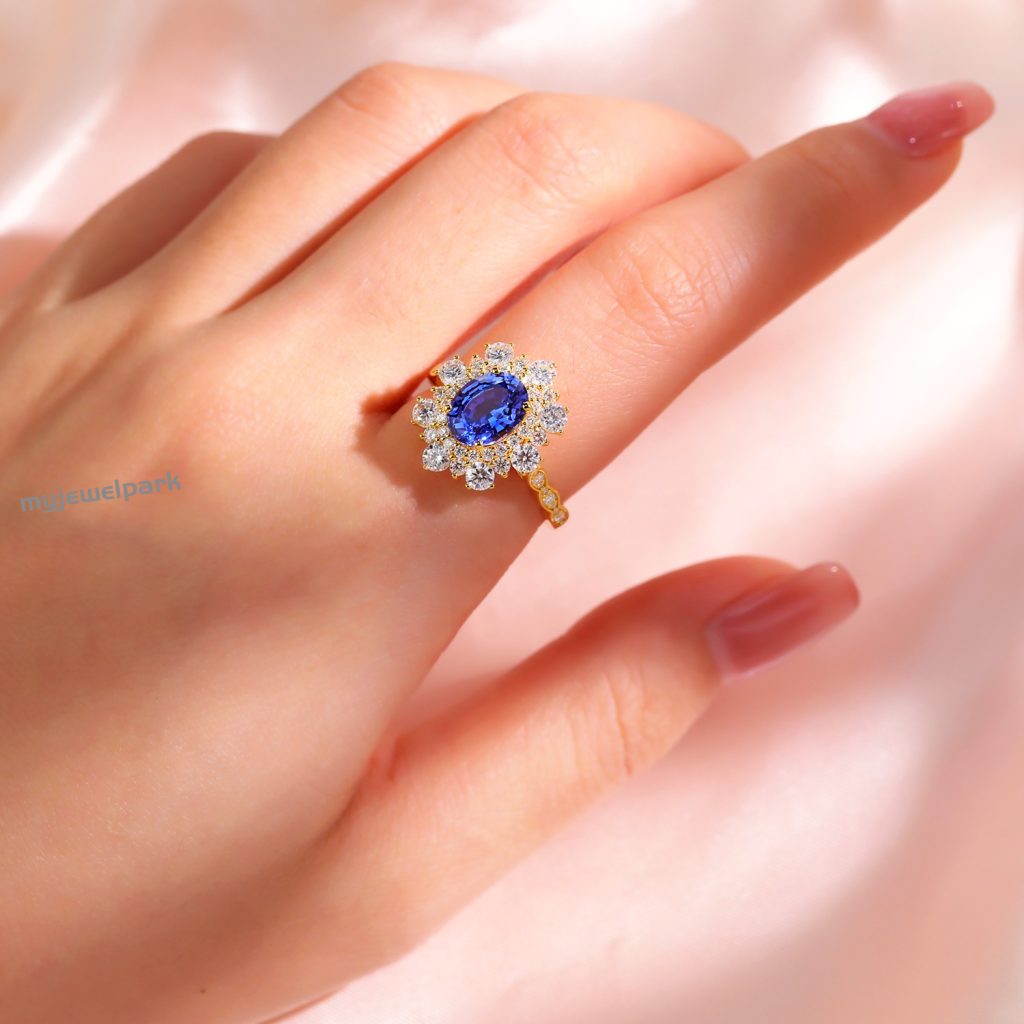
These stones, chemically identical to their natural counterparts, are produced without mining and offer exceptional clarity and color consistency. According to a 2022 consumer study by MVI Marketing, over 52% of millennial buyers are open to lab-created gems—particularly for engagement and fashion rings.
Cost transparency and sustainability are central to their appeal
Lab-grown sapphires typically retail at 30–60% less than mined versions of comparable quality. They also carry none of the environmental or ethical baggage often linked to gemstone mining. As searches for terms like “lab created sapphire ring” and “synthetic sapphire jewelry meaning” rise, it’s clear that modern buyers are seeking more than symbolism—they want responsible luxury.
Wearing a sapphire ring today means different things to different people. It may represent love, protection, spirituality, or simply personal style. But with the rise of lab-grown options, it can now also reflect conscious choices about ethics, origin, and value.