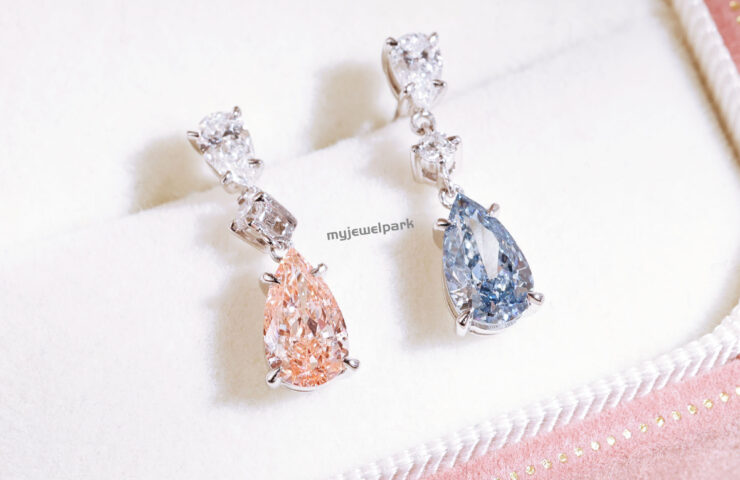
What Is the Superstition About Sapphires? Ancient Beliefs, Modern Myths, and the Rise of Lab-Grown Stones
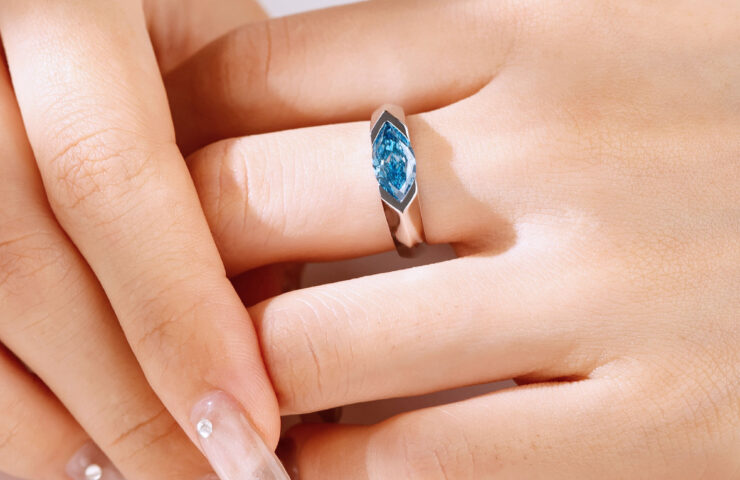
Sapphires have captivated people for centuries—not just for their rich blue color but for the powerful superstitions attached to them. The question “What is the superstition about sapphires?” now appears frequently on Google search, especially in regions where gemstones are linked to fate, energy, and well-being. From royal talismans to cautionary tales, sapphire superstitions have never truly faded.
In many cultures, sapphires are considered stones of protection
Ancient Persians believed the sky was blue because it reflected the color of a massive sapphire beneath the Earth. In Hindu astrology, blue sapphire, or Neelam, is said to be ruled by Saturn—a planet associated with both justice and hardship. When worn by the wrong person, it’s believed to bring financial loss or emotional upheaval. Yet for the right wearer, it is seen as a powerful gem of wealth, clarity, and spiritual awakening.
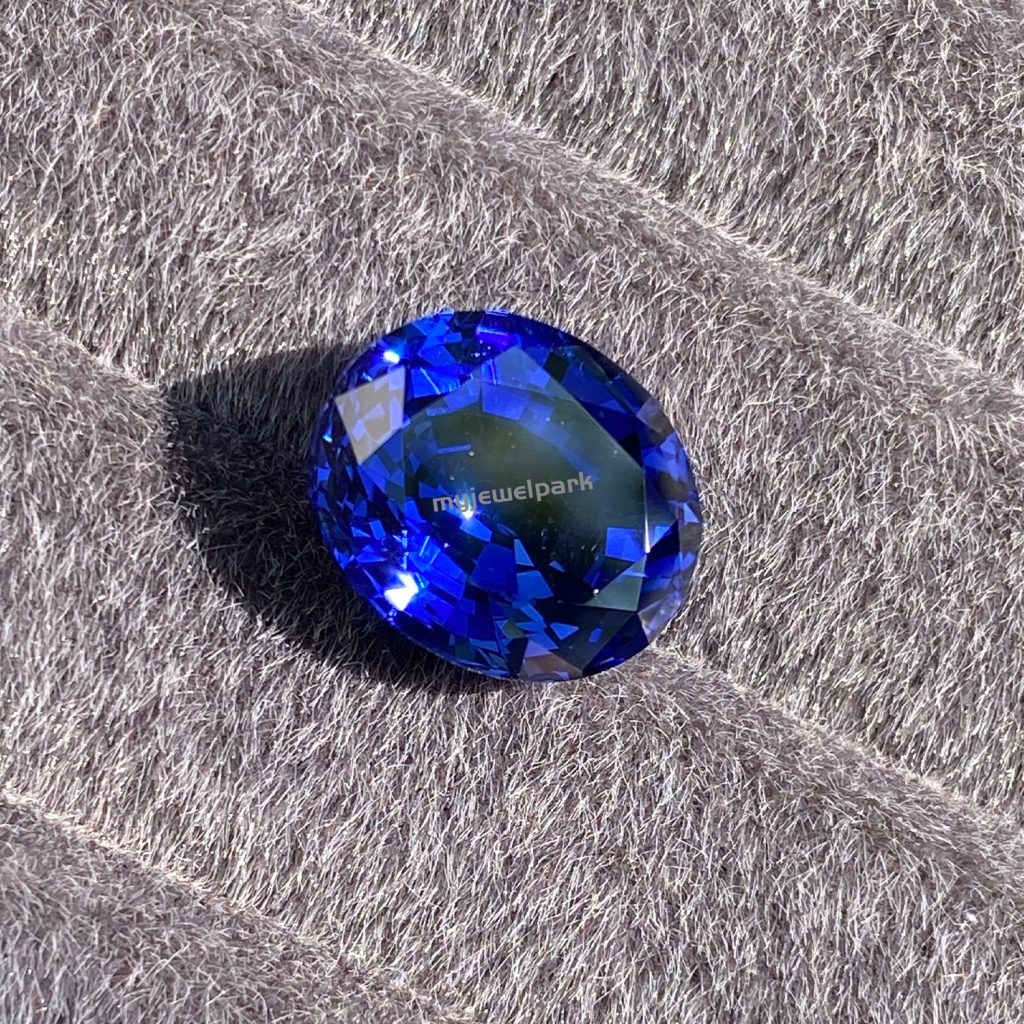
Controversy over these beliefs plays out in forums like Reddit’s r/Astrology and r/Jewelry. One widely shared post reads, “I wore a blue sapphire ring and lost my job a week later. Coincidence?” The thread sparked debate. Some users insisted on the gem’s dangerous influence when misaligned with one’s birth chart. Others dismissed the connection entirely, calling it classic confirmation bias. Similar threads appear across Quora and YouTube, where astrologers and skeptics frequently trade views in high-traffic videos titled “Should you wear blue sapphire?” or “Sapphire astrology gone wrong.”
Despite the folklore, the scientific community remains neutral
According to the Gemological Institute of America (GIA), there’s no evidence that gemstones hold mystical powers. However, GIA notes that belief in gemstone energy often influences purchasing decisions, especially in Asia and the Middle East. In a 2021 market survey by the Natural Color Diamond Association, over 40% of gemstone buyers in India and Thailand listed astrological influence as a key factor in their decision.
This tension between belief and science has shaped how sapphires are marketed—particularly lab-grown sapphires. While traditionalists may view mined stones as spiritually superior, many buyers are shifting to lab-created alternatives. These synthetic sapphires are identical in structure and appearance, without the ethical and environmental issues tied to mining.
Lab sapphires also offer consistency that appeals to practical buyers
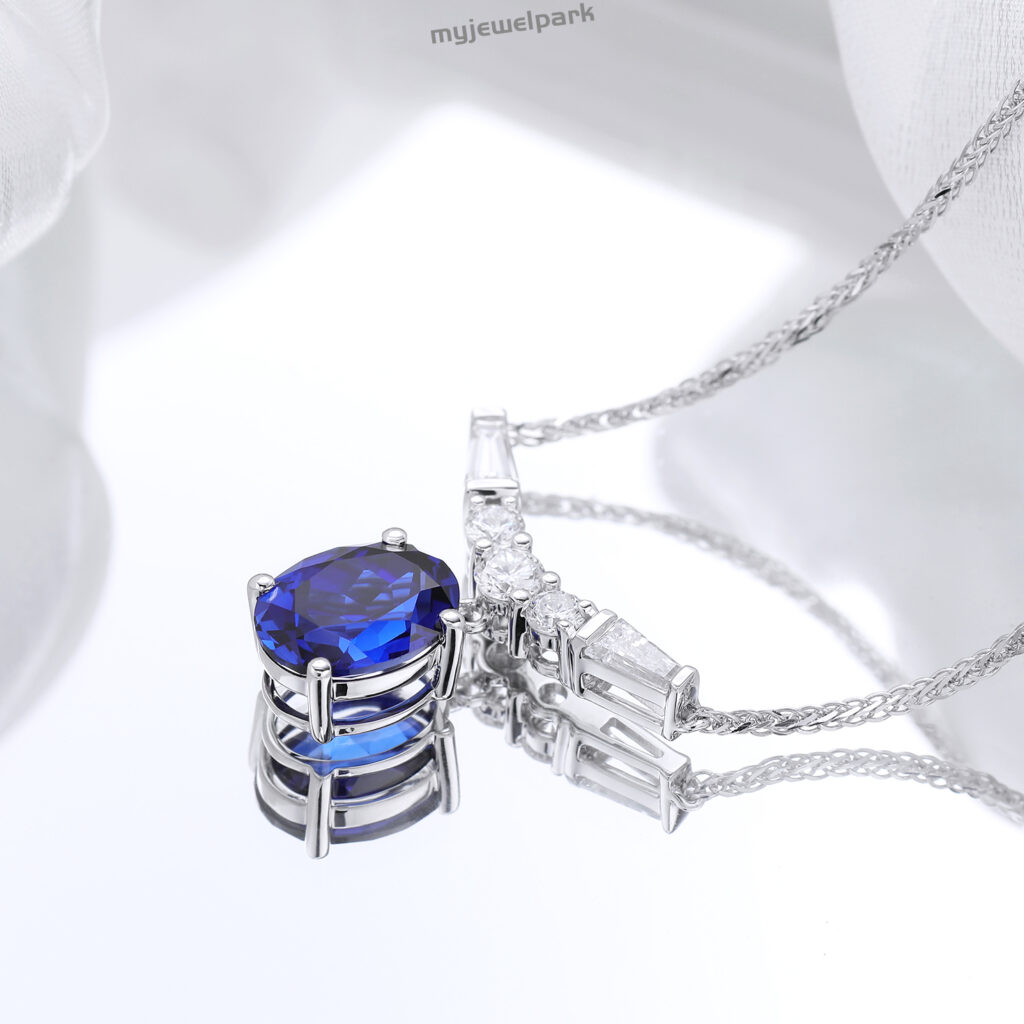
Unlike natural sapphires, which vary widely in tone and clarity, lab-grown versions are engineered for precision. They don’t carry inclusions linked to flawed karma or misfortune in some superstitions, making them a safer choice for those wary of spiritual consequences.
Sustainability adds another layer
According to Bain & Company’s 2023 Global Gem Market Report, 58% of Gen Z consumers prefer synthetic gemstones. This is because they have less impact on the environment and are transparently sourced. Searches for keywords such as “synthetic sapphire meaning” and “is synthetic sapphire safe in astrology” are growing. This shows that buyers are blending traditional and modern values.
Whether one believes in the power of sapphires or not, the conversation continues to evolve. The stone may once have been feared or revered—but in the age of lab-grown precision, superstition now shares space with science and sustainability.