Do Lab Created White Sapphires Look Like Diamonds? A Closer Look at Sparkle, Perception and Ethical Value
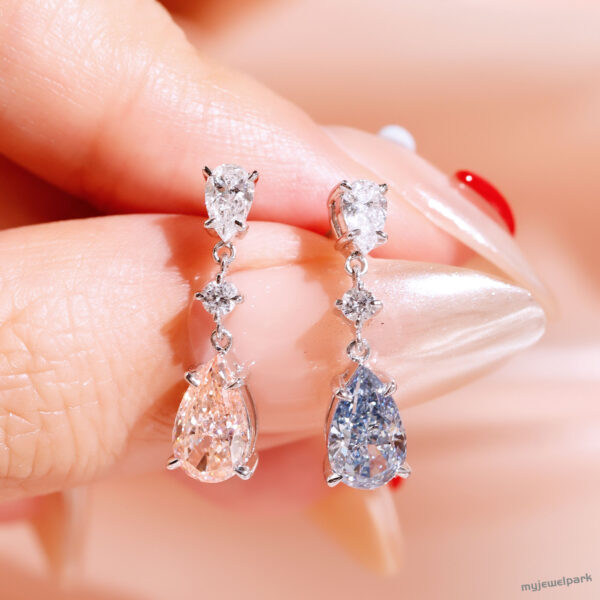
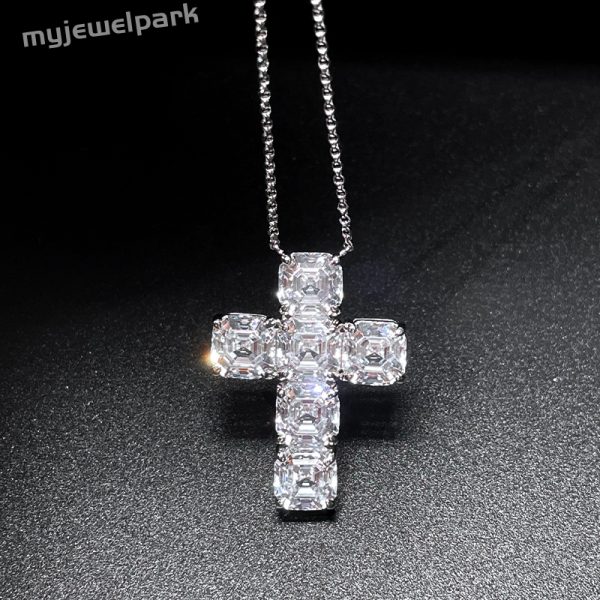
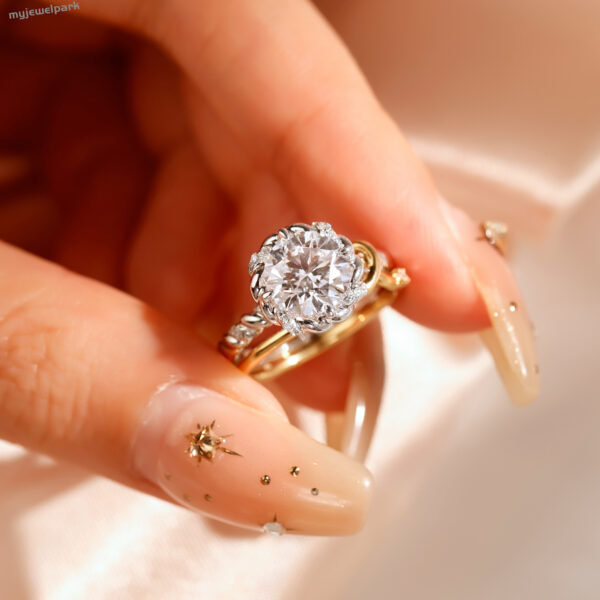
The search phrase “do lab created white sapphires look like diamonds” continues to trend on platforms like Google and Instagram, especially among couples researching engagement rings or sustainable alternatives. On the surface, lab-grown white sapphires offer a crystal-clear and affordable substitute for traditional diamonds. Yet the visual comparison remains a topic of ongoing debate across jewelry communities.
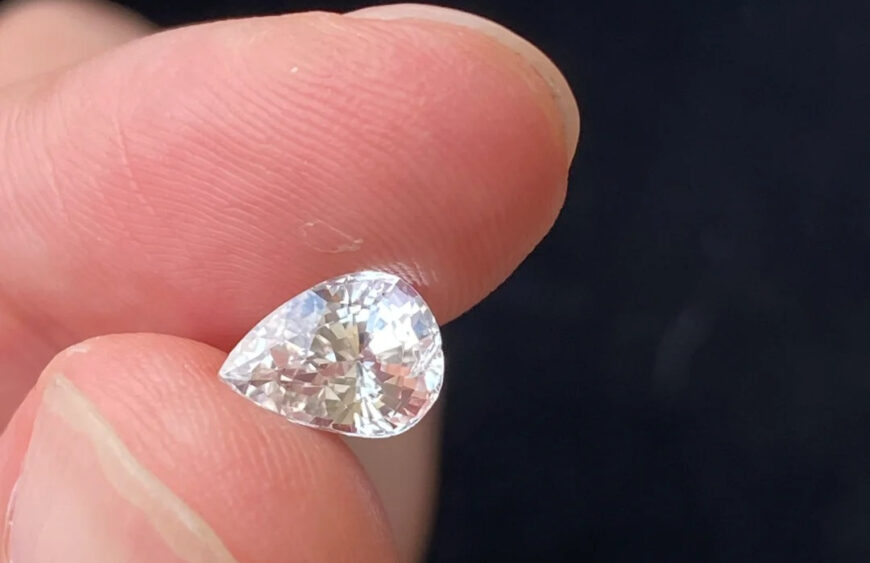
Lab created white sapphires are chemically identical to their natural counterparts. Both are composed of corundum and rated 9 on the Mohs hardness scale, second only to diamond. However, unlike diamonds which reflect light through both brilliance and fire, white sapphires produce a more muted sparkle. Their lower refractive index results in a glow that is more soft and silvery than sharp and prismatic.
Consumers have noticed
A thread on Reddit’s r/EngagementRings titled “Regret Choosing White Sapphire Over Diamond?” attracted over 700 comments. Some praised the gem’s understated elegance and ethical value. Others shared frustration about the stone’s appearance in dim lighting, calling it dull compared to even lower-grade diamonds. Similar concerns appear in YouTube videos such as “White Sapphire vs Diamond: What No One Tells You.” A highly liked comment reads, “I love the idea but my sapphire ring doesn’t sparkle the way I hoped.”
White sapphire alternatives is growing
Many consumers now prioritize ethical sourcing, origin transparency and price accessibility over historical gemstone status. Lab-created white sapphires align with all three. They avoid the environmental and labor concerns linked to diamond mining, particularly in high-risk areas like the Congo Basin or parts of Siberia. They also offer buyers full transparency in cut, clarity and treatment—attributes often left vague in natural diamond sales.
Data supports this shift
According to a 2023 report from The MVEye, over 64 percent of millennial and Gen Z respondents said they would consider lab-created stones for fine jewelry purchases. Among them, white sapphires ranked among the top three preferences for non-diamond engagement center stones, along with moissanite and lab-grown emerald.
From a production standpoint, laboratory cultivation allows for uniformity in quality. While natural white sapphires often contain silk-like inclusions that cloud their appearance, lab-created versions are typically clearer and better cut. They do require more frequent cleaning to retain brilliance, but with proper maintenance, they retain visual appeal for years.
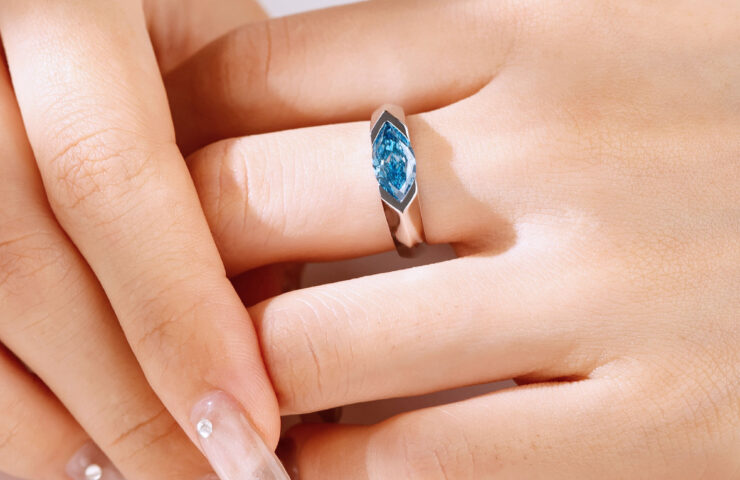
Jewelry creators on platforms like Etsy and Instagram now showcase lab-grown white sapphires in minimalist and vintage-inspired settings, promoting them not as diamond replicas but as distinct expressions of personal style. For buyers who want a clear gemstone without the high price tag or moral compromise, the lab-created white sapphire stands out as a balanced choice.
So while the question remains common, the answer may lie in expectation. Lab-created white sapphires do not mimic diamond brilliance perfectly. What they offer instead is authenticity, clarity and a shift toward values that many modern shoppers now prioritize.