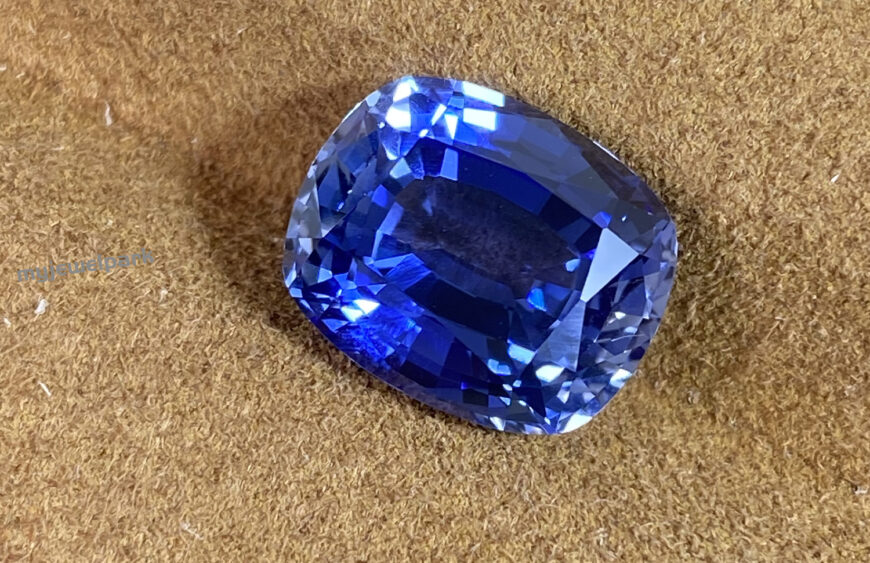
How Long Does It Take to Grow a Synthetic Sapphire?
With interest in lab-grown gemstones growing, the question of “how long does it take to grow a synthetic sapphire” often lingers. Many consumers still assume that lab sapphires can be produced in days. In reality, the timeline and techniques behind synthetic sapphire creation remain widely misunderstood and hotly debated online.
Methods used to grow lab-grown sapphires
Sapphire belongs to the corundum family, a crystalline form of aluminum oxide. While natural sapphire forms over millions of years beneath the Earth’s crust, lab created sapphires emerge much faster—though not instantly. Growth time depends on the method used. The two most common techniques are the Verneuil flame fusion process and the Kyropoulos method. The Verneuil method can grow small sapphires in less than 24 hours. However, these sapphires often exhibit curved striations and bubbles. In contrast, the Kyropoulos method is better suited for producing high-quality synthetic sapphires. It takes only two to four weeks to produce a single crystal, with precise temperature control and slow cooling to avoid cracks and inclusions.
These timeframes surprise many first-time buyers. In Reddit threads like r/PreciousStones and r/SyntheticGems, users have questioned whether “lab grown sapphire” is a marketing term for mass-produced imitation. One post, “Is my sapphire fake if it was made in one day?” sparked wide-ranging responses. A gemologist responded that fast production does not mean poor quality. But another commenter warned that the shortest growth methods often sacrifice visual quality. The confusion often extends to YouTube, too. Creators use processes such as open flame blowtorches or custom furnaces to grow sapphires, sparking heated debates about authenticity and durability.
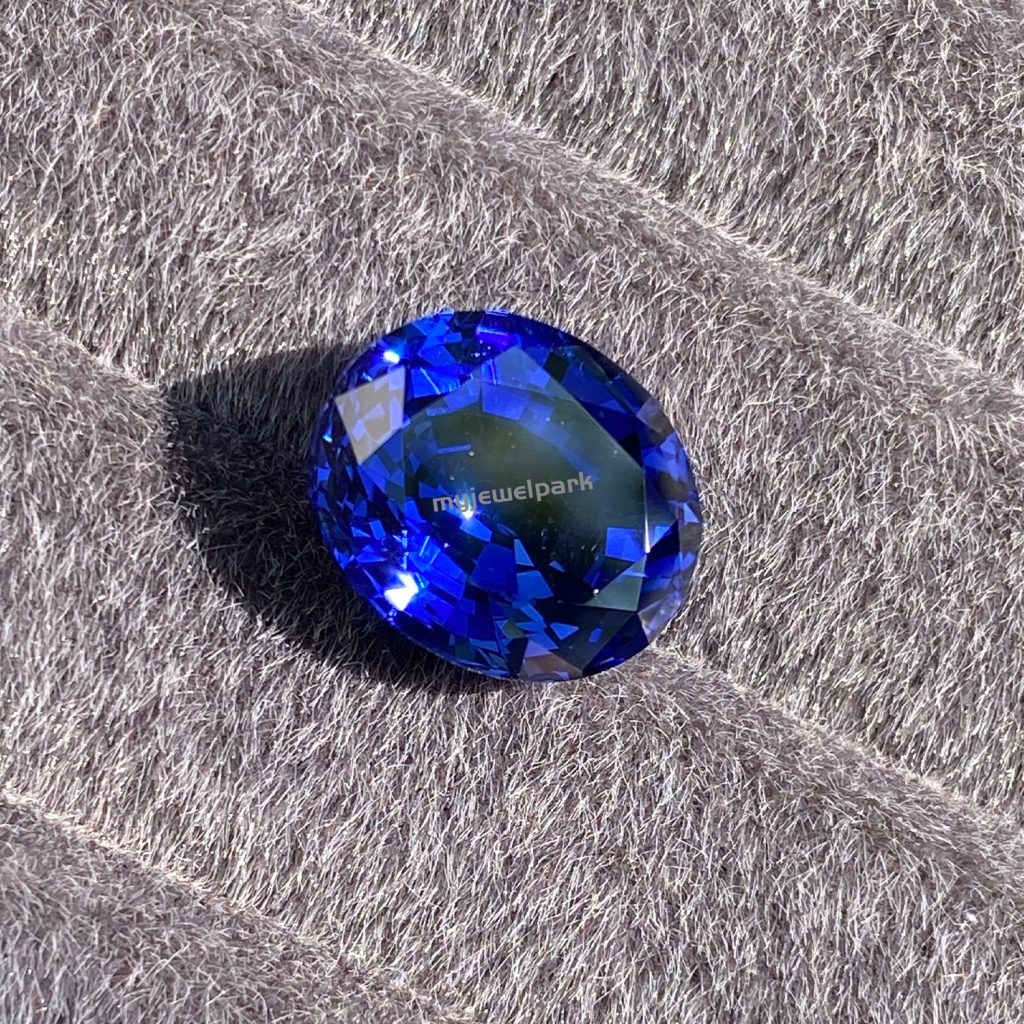
Industry Data
Among professional circles, industry data helps clarify the distinction. The GIA confirms that synthetic sapphires have the same optical and physical traits as natural ones, regardless of growth time. However, visual quality and structural integrity tend to improve when growth is slower and more controlled.
Recent consumer research underscores growing interest in the synthetic gemstone market. According to a 2023 report from Allied Market Research, the global synthetic gemstone industry is projected to exceed $14 billion by 2031. Sapphire remains among the top choices for buyers seeking vivid color, durability, and ethical sourcing. Within this landscape, lab created sapphires offer both affordability and consistency.
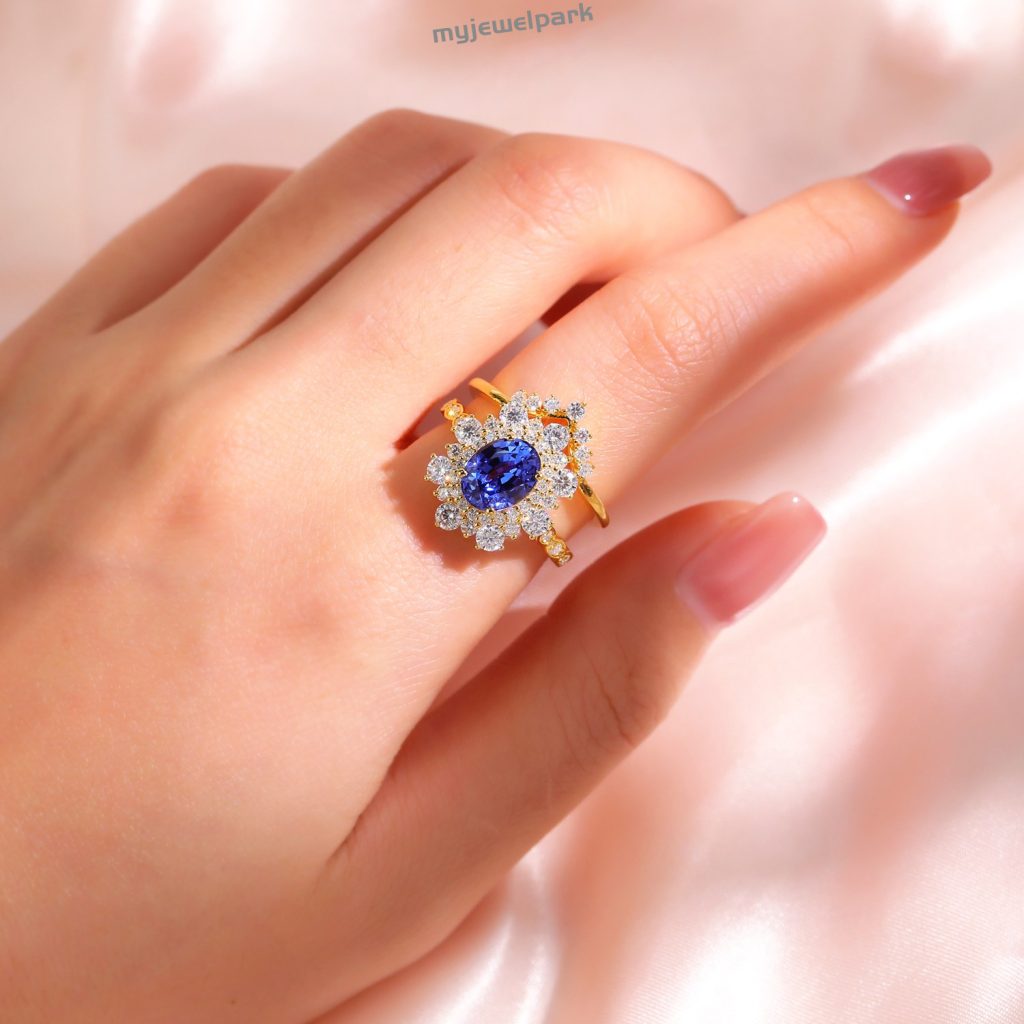
The laboratory setting provides a level of control that natural formation cannot. While natural sapphires often include mineral inclusions and color zoning, lab sapphires can be grown with fewer imperfections and more predictable results. Some buyers still prefer stones with natural imperfections, but others favor the clarity and uniformity of lab grown pieces.
Search trends now reflect a deeper awareness. As lab-grown gemstone sales continue to rise, questions such as “how is synthetic sapphire made” and “lab-grown sapphire vs. natural sapphire” have risen. With transparent production timelines and known origins, synthetic sapphires appeal to consumers who value both aesthetics and ethics.