How to Tell If It’s an Emerald or Glass?
Emeralds are among the most valuable gemstones in the world. Their deep green color and historical symbolism make them highly sought after. But because of their popularity and high price, imitations are common. One of the most frequent substitutions is glass. While they can appear similar at first glance, emeralds and glass differ in several key ways. Recognizing the difference matters, especially for buyers looking to invest in genuine stones.
Key Visual and Physical Differences
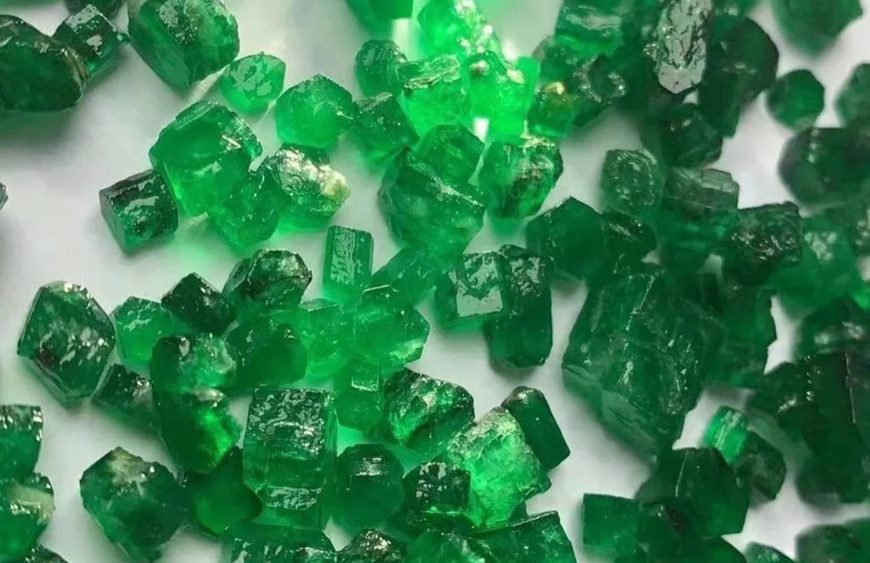
Natural emeralds often have inclusions, which are internal features formed during the stone’s growth. These can look like tiny threads, clouds, or even garden-like patterns under magnification. Glass, on the other hand, is usually more uniform. Its clarity may seem better, but it often lacks the natural depth and complexity that real emeralds display.
Emeralds also tend to have a richer, more vibrant green with variations in tone. Glass imitations may appear overly bright or flat in color. Another indicator is weight. Because glass is less dense than emerald, imitation stones of the same size often feel lighter. Jewelers sometimes use this difference to raise suspicion during inspection.
Surface wear can also reveal the truth. Glass scratches more easily and may show signs of abrasion, even if it’s relatively new. Emeralds, while not the toughest gems, hold up better over time under normal wear. In fluorescence testing under ultraviolet light, natural emeralds usually show little to no reaction, while glass may glow faintly, depending on its composition.
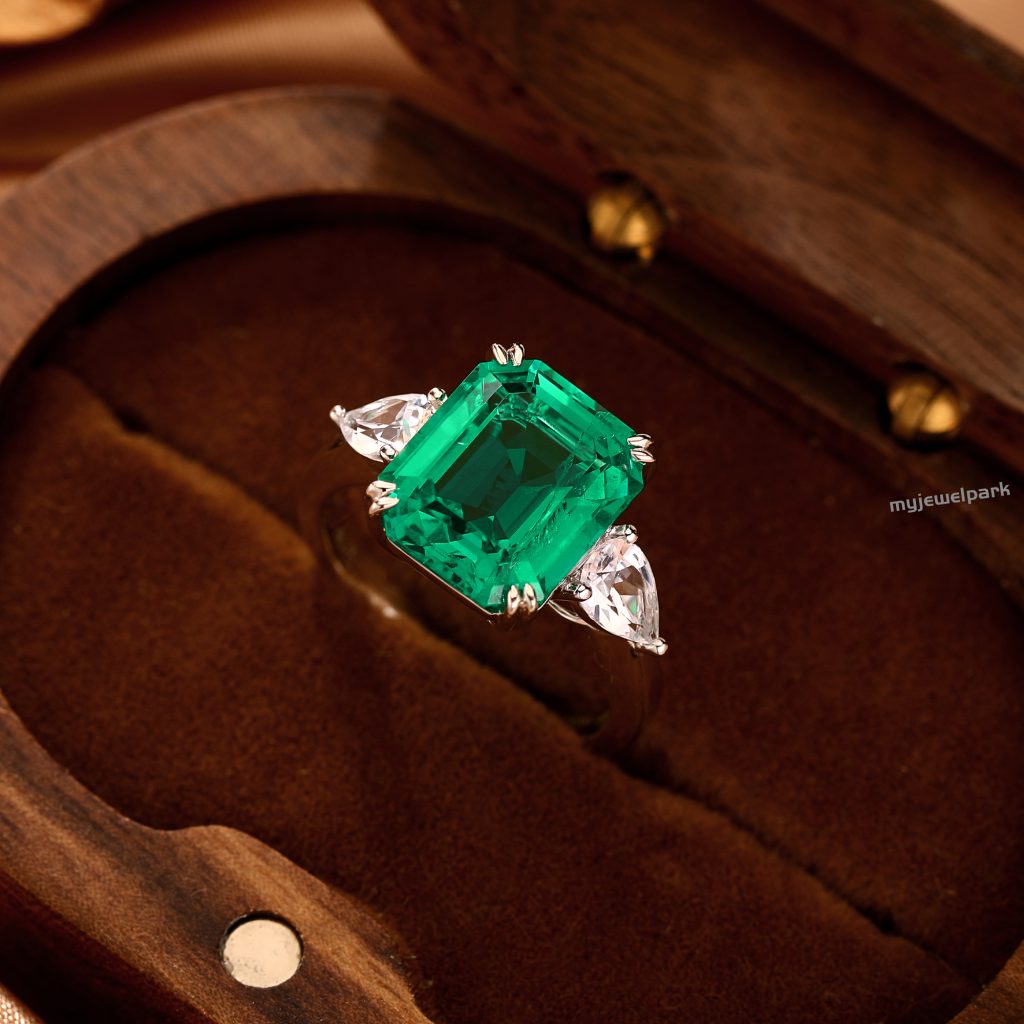
What Online Users Are Saying
Despite these differences, confusion remains widespread. On forums like Reddit, users regularly post about buying what they believed were emeralds, only to discover they were glass or low-grade imitations. One thread featured a user questioning a gemstone bought overseas that appeared too flawless. Commenters quickly noted the lack of inclusions and overly perfect color as warning signs. Others shared frustration about jewelry stores misrepresenting glass-filled stones as natural emeralds.
Popular YouTube videos that compare emeralds to imitations show similar skepticism. Some creators demonstrate side-by-side tests using magnifiers and scratch tools, pointing out how easily glass fakes chip or shatter. Viewers often express surprise at how convincing the fakes can look, especially when set in expensive-looking jewelry.
Why Lab-Grown Emeralds Are a Smarter Option
Lab-grown emeralds provide a more transparent alternative. They are chemically identical to natural emeralds and grown under conditions that replicate natural formation. This results in stones that may contain fewer inclusions but still show the structure and color of genuine emeralds.
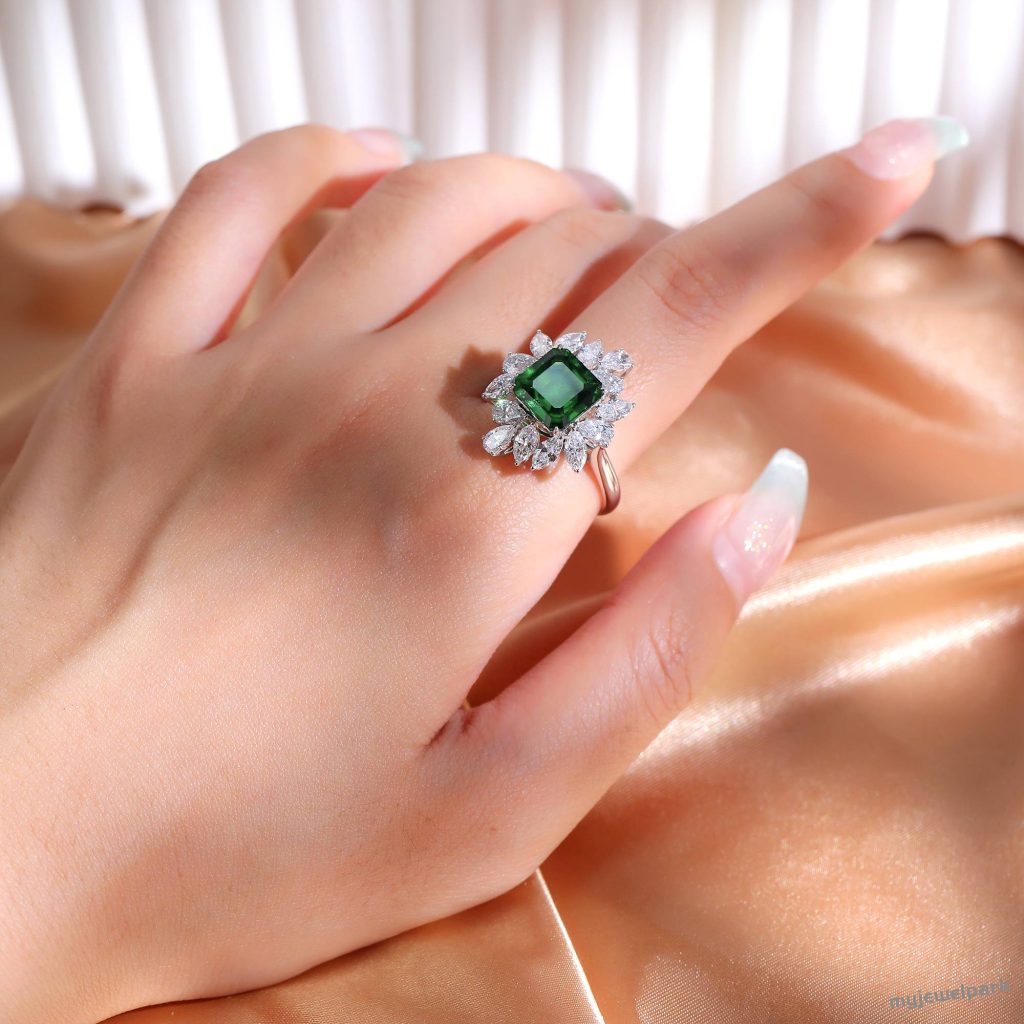
A 2023 survey from the Gemological Institute of America found that 47% of consumers aged 30 to 45 preferred lab-grown emeralds when presented with side-by-side comparisons. The reasons included authenticity, price, and clarity. Unlike glass, lab-grown emeralds pass gemological tests and provide the real optical properties of emeralds.
For consumers who want a true emerald without the risk of being misled, lab-grown stones offer a reliable option. They eliminate the guesswork of spotting fakes and provide beauty with integrity. Whether for personal wear or investment, choosing lab-grown emeralds reduces the chance of buying into illusions.