What Is the Difference Between Asscher and Royal Asscher?
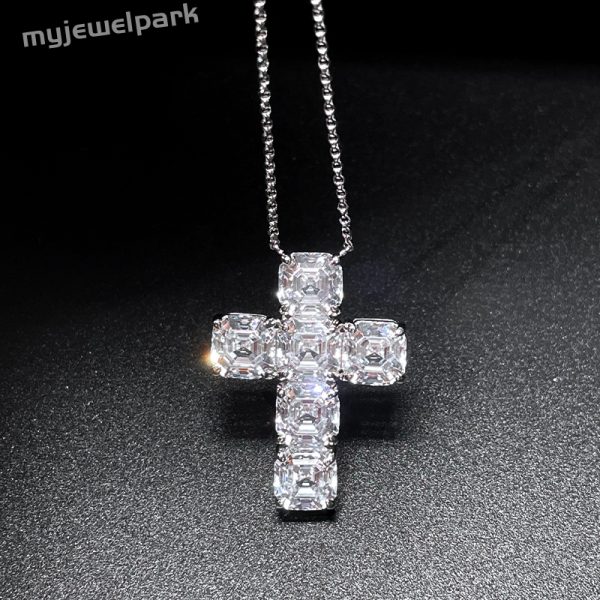
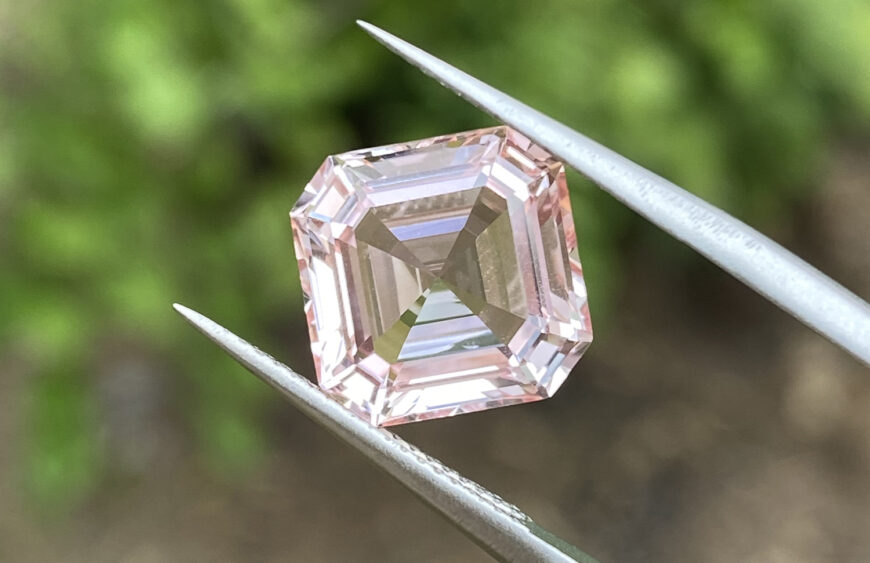
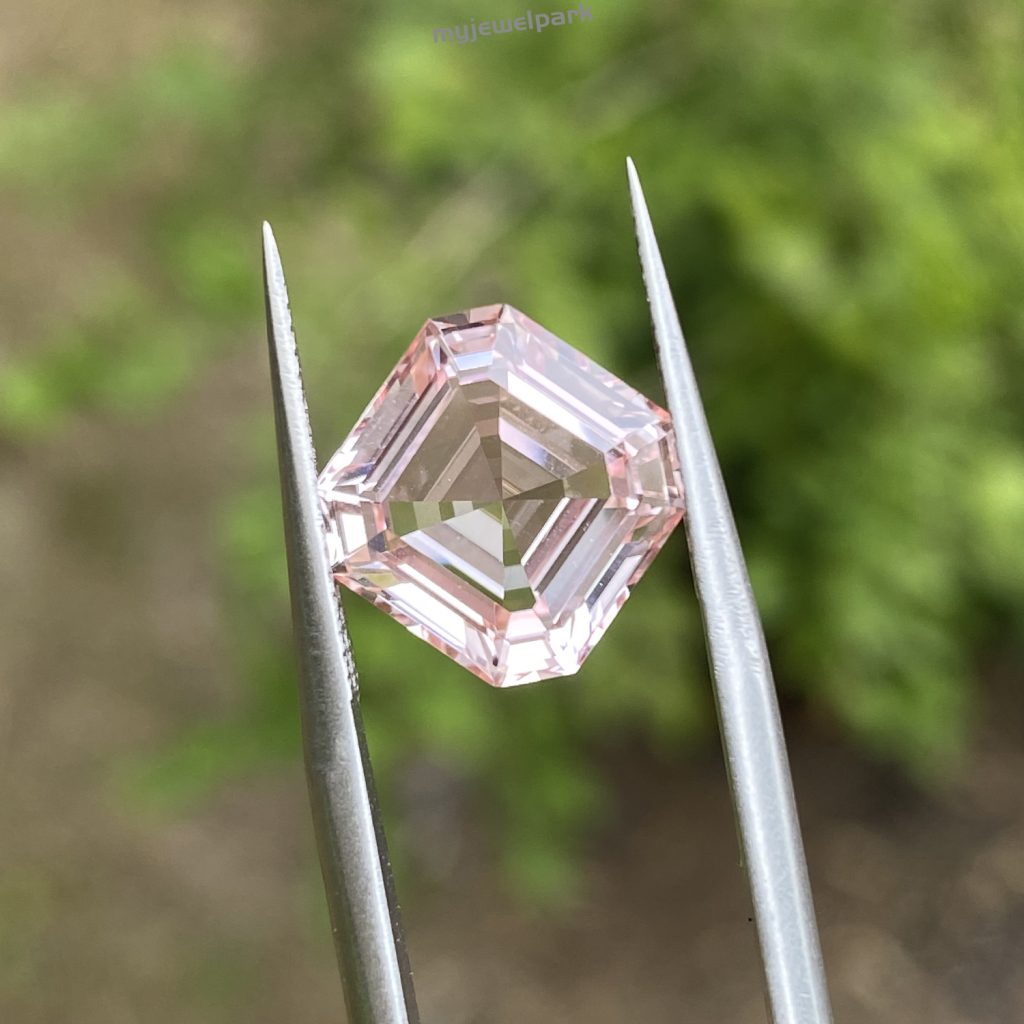
The Asscher cut is one of the most recognizable diamond shapes in the jewelry world. Known for its step-cut facets and square shape with clipped corners, it delivers a vintage aesthetic with modern appeal. But many shoppers are confused when they come across the term “Royal Asscher.” Despite the similar names, the two are not interchangeable. Understanding the difference matters for anyone comparing high-end diamonds.
Origins and Design Differences
The Asscher cut was developed in 1902 by Joseph Asscher, founder of the Amsterdam-based Asscher Diamond Company. This early version featured 58 step-cut facets and quickly gained popularity for its Art Deco appearance. During the early 2000s, the Asscher family revisited the design. They created a patented new version with 74 facets, calling it the Royal Asscher cut.
The Royal Asscher cut is deeper and more brilliant than the original. The extra facets allow light to reflect with greater intensity, resulting in a more dramatic display of fire and sparkle. Only diamonds cut by the Royal Asscher Company can carry the name. They are laser-inscribed and come with certification to distinguish them from standard Asscher cuts, which can be produced by any cutter following the classic specifications.
Mixed Reactions in Online Communities
Consumers often debate whether the difference in sparkle is worth the higher price. On Reddit threads in jewelry and diamond forums, buyers compare the two cuts based on personal experience. Some describe Royal Asscher diamonds as more radiant and unique, while others feel the visual improvement is subtle and doesn’t justify the cost. One user wrote that a standard Asscher cut looked nearly identical in real-world lighting unless placed under a jeweler’s loupe.
YouTube videos featuring side-by-side comparisons also generate mixed opinions. Some influencers highlight the enhanced brilliance of the Royal Asscher, especially in well-lit environments. Others focus on the price gap and argue that most people can’t spot the difference without close inspection. These opinions reflect a broader trend of consumers questioning whether patented cuts truly deliver extra value or rely on branding.
How Lab-Grown Diamonds Expand the Options
The rise of lab-grown diamonds is reshaping this conversation. With advanced production methods, cutters can now apply complex faceting like the Royal Asscher on lab-grown stones at a lower cost. This opens access to the upgraded brilliance without the price barrier of natural diamonds.
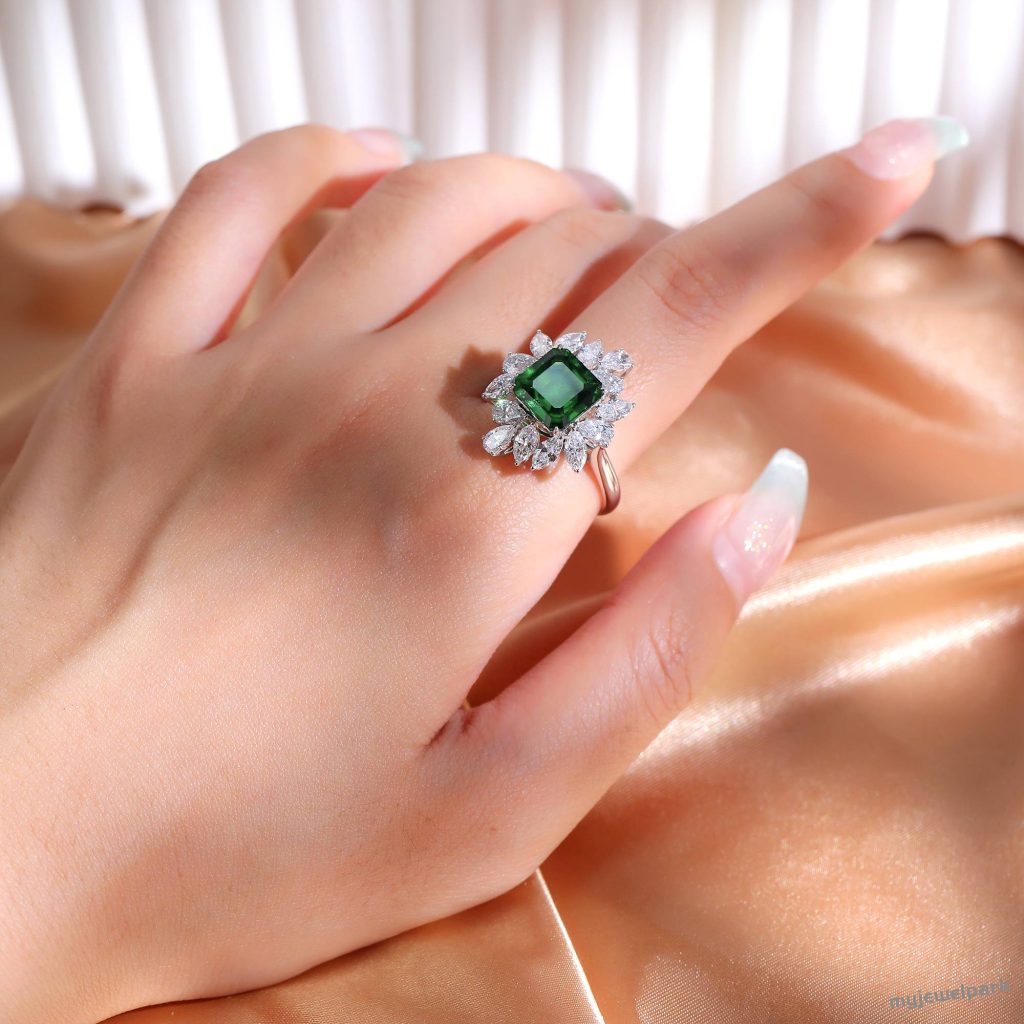
A 2023 survey by the Natural Diamond Council found that 49% of buyers aged 28 to 40 were willing to choose lab-grown diamonds if the cut quality matched premium options. Consumers cited affordability and sustainability as key reasons for their preference.
Lab-grown diamonds also provide more control over clarity and color. When paired with precision cutting, these stones offer a high-quality alternative that replicates the signature look of both Asscher and Royal Asscher designs. For buyers who want visual impact without high markup, lab-grown options deliver brilliance with transparency.