What Stone Was Mistaken for a Sapphire?
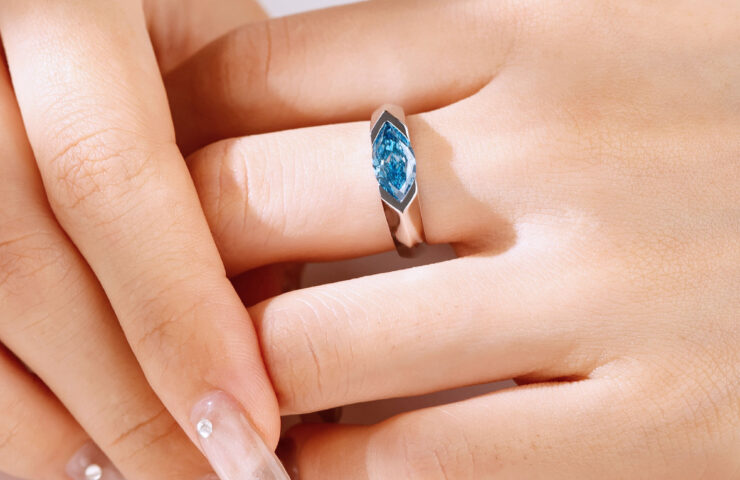
For centuries, various blue gemstones have been misidentified as sapphires. The most common mistake involves blue spinel, which has fooled both traders and collectors throughout history. Before advanced gem testing became standard, color alone often determined a stone’s identity. This led to many spinels being sold and treasured as sapphires, especially in royal collections and antique jewelry.
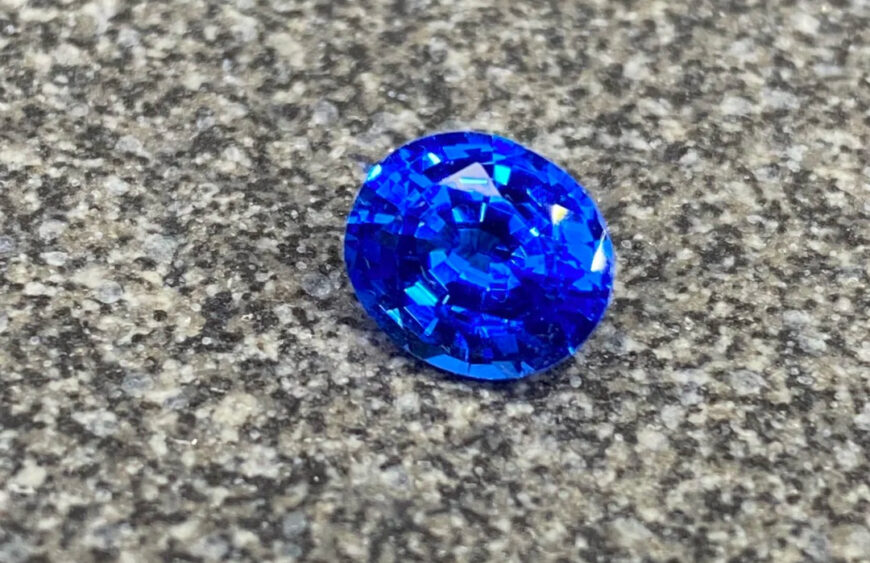
Blue Spinel Stone Mistaken for Sapphire
Blue spinel shares several visual traits with sapphire. Both stones can display a vivid royal blue tone and excellent clarity. Spinel also ranks high on the Mohs scale, making it durable enough for daily wear. Under natural light, the two stones can be hard to tell apart, especially when set in jewelry.
What separates them is their chemical makeup. Sapphire is a variety of corundum, while spinel is a distinct mineral composed of magnesium aluminum oxide. This difference affects how the stones reflect light and respond under magnification, but not in ways easily visible to the untrained eye.
The confusion persisted until the late 19th century, when gemology labs began using tools like the refractometer to identify minerals accurately. Famous examples include the “Timur Ruby” in the British Crown Jewels, which was later revealed to be a red spinel.
Modern Misidentifications and Consumer Reactions
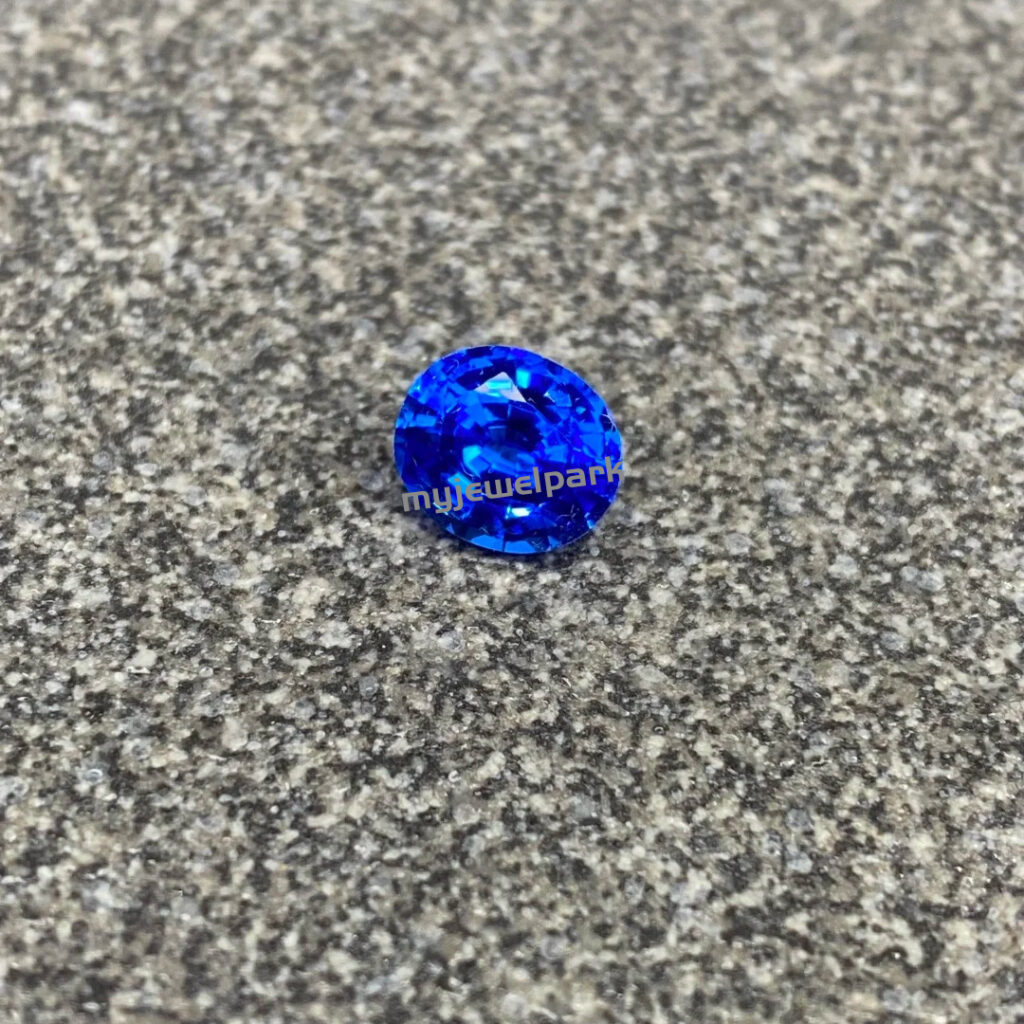
Even with today’s tools, consumers still face challenges in distinguishing sapphire from other look-alike stones. In online forums like Reddit and The Gemology Project, users often share experiences where their “sapphire” turned out to be something else. One thread featured a buyer who purchased a deep-blue stone labeled as sapphire from a local market, only to find out during appraisal it was spinel. Comments ranged from sympathy to frustration over misleading labels and lack of transparency.
YouTube channels run by gem enthusiasts frequently post side-by-side comparisons. In some videos, even seasoned collectors struggle to identify which stone is which without equipment. These uploads spark heated debates in the comments. Some viewers argue that if a stone looks just as beautiful and performs similarly, the difference shouldn’t matter. Others insist that mineral identity is critical for fair pricing and authenticity.
Why Lab-Grown Stones Are Closing the Gap
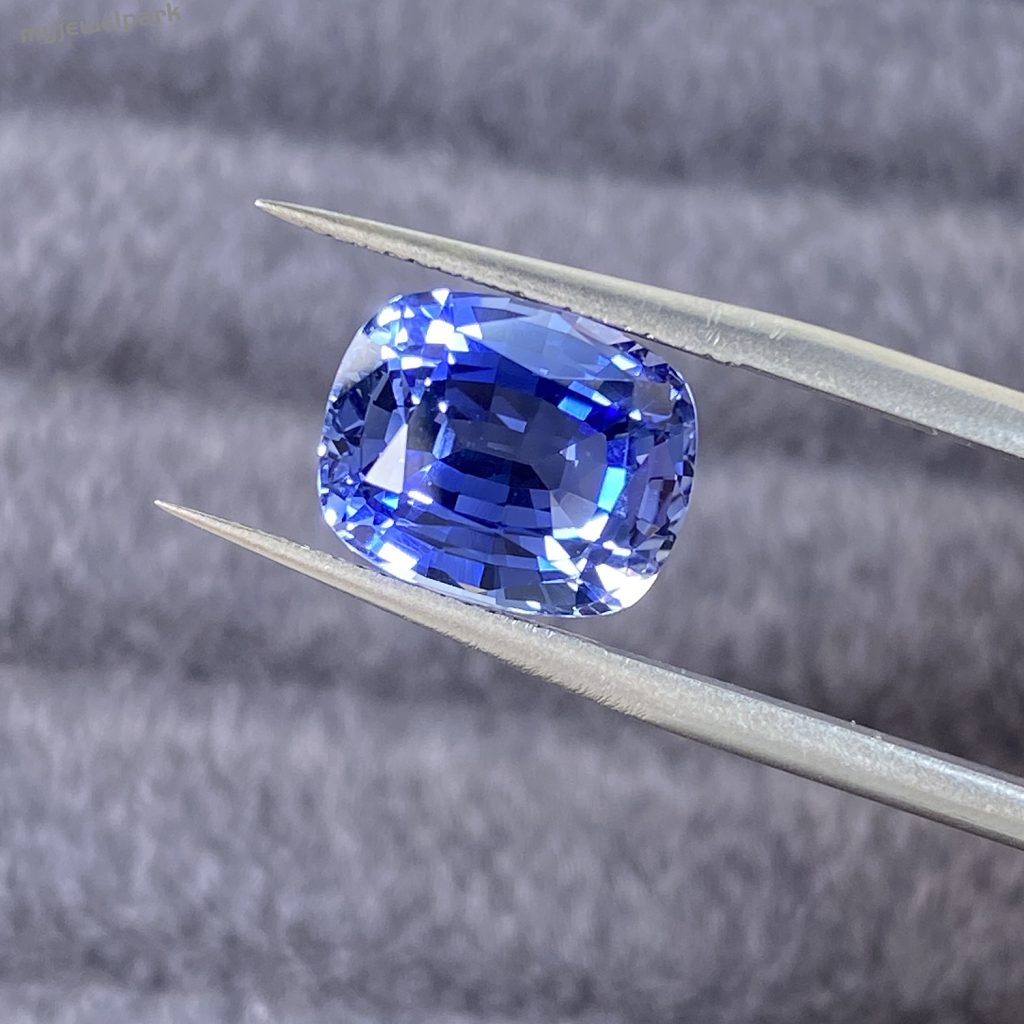
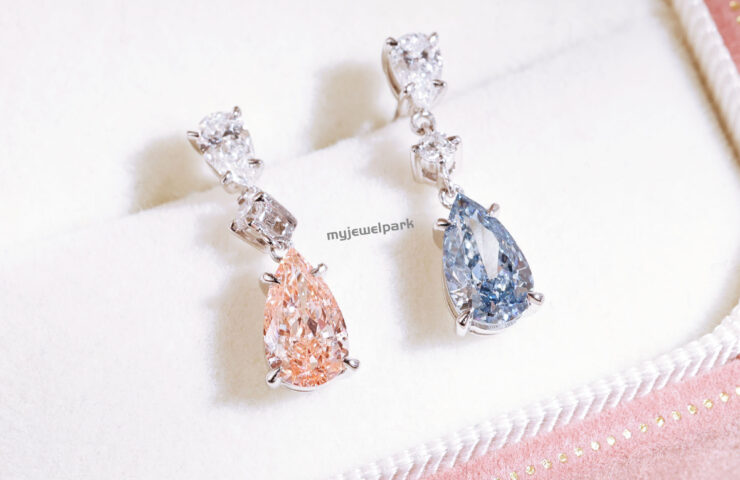
Laboratory-grown gemstones are reducing the chances of such confusion. Lab-grown sapphires are chemically identical to natural ones, providing clarity in both composition and value. Unlike treated or misrepresented stones in the open market, lab-grown gems are produced with documentation and consistent quality.
A 2023 survey by the Gemological Institute of America found that 56% of jewelry consumers under 40 expressed higher trust in lab-grown stones due to the availability of clear certification and origin reports. Many cited previous experiences of receiving mislabeled or overhyped stones as reasons for making the switch.
Lab-grown sapphires offer a way to avoid misidentification while still enjoying the look, durability, and symbolism of the real gem. As lab-grown options grow in popularity, they are reshaping not only the supply chain but also how consumers understand value and authenticity in colored stones.