What Is the Difference Between Pink Sapphire and Padparadscha Sapphire?
Sapphires come in a wide range of colors, but few create as much confusion as pink and padparadscha sapphires. At a glance, they can appear similar, especially in lighter tones. But to gemologists and collectors, the differences between these stones are significant. Understanding the distinction matters not only for pricing but also for authenticity and classification.
Color and Classification Differences
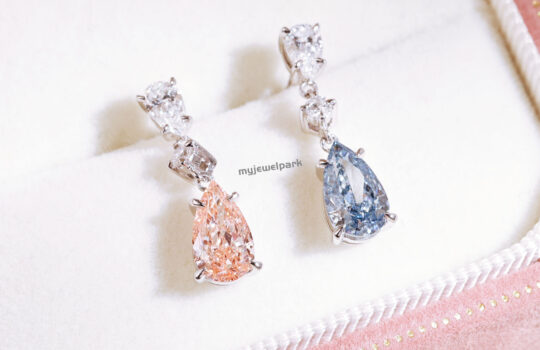
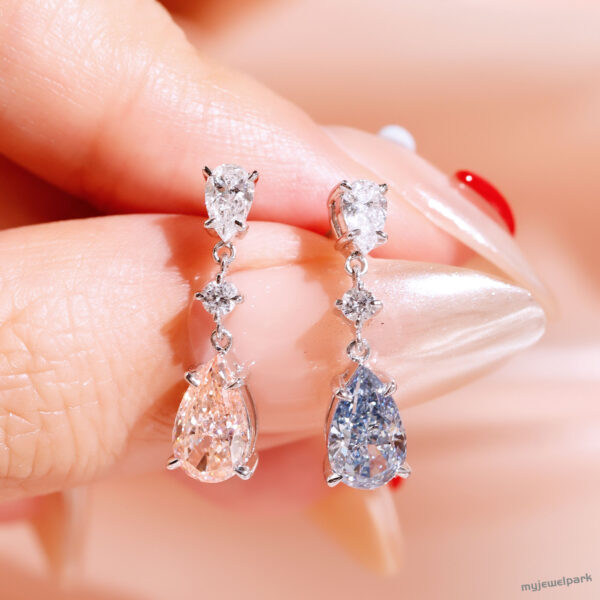
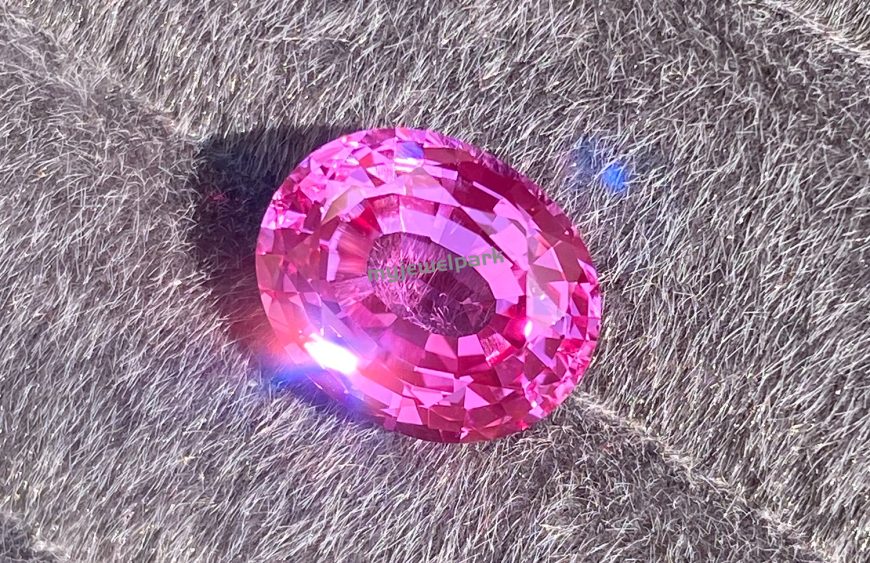
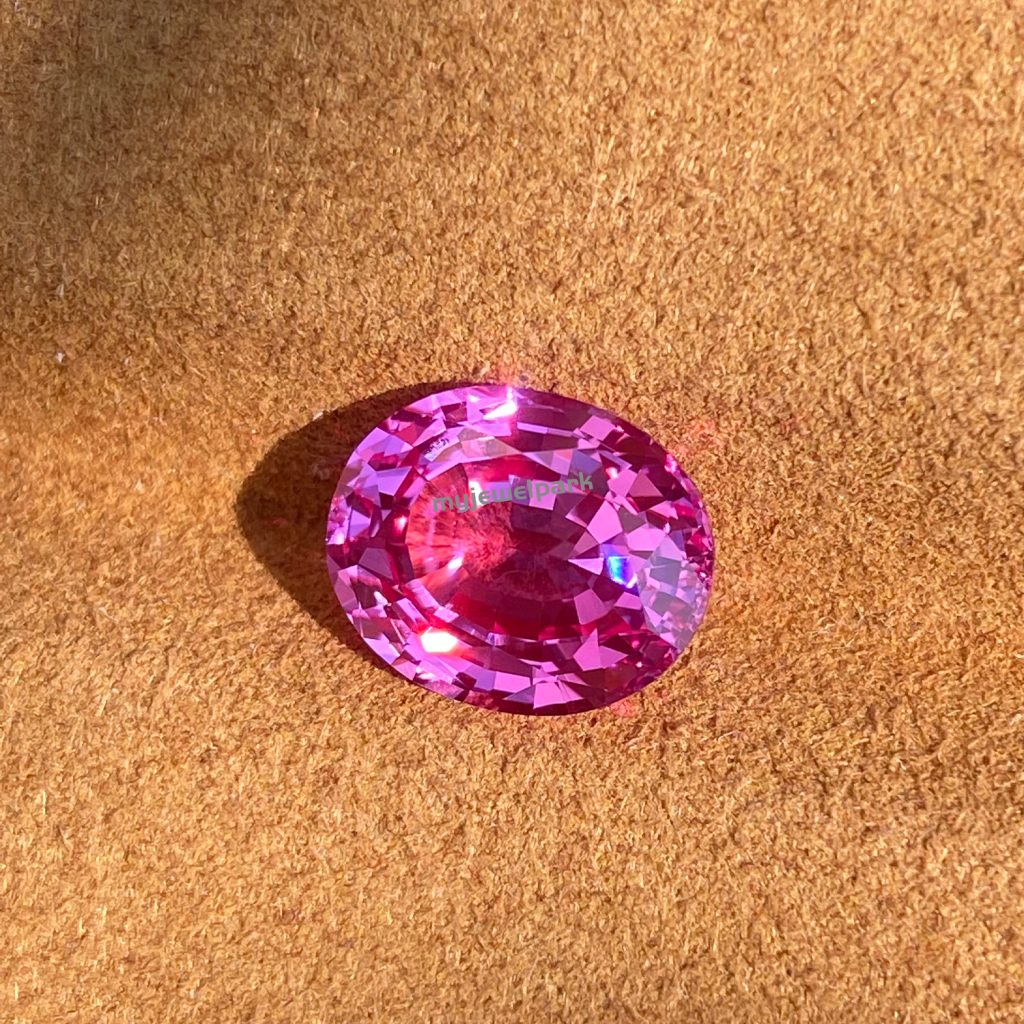
Pink sapphires are exactly what the name suggests—sapphires that fall within the red-to-pink color range. They can range from light blush to intense hot pink. Padparadscha sapphires, however, are a much rarer category. These stones exhibit a precise mix of pink and orange. The color is often described as a lotus flower or a tropical sunset, and it falls within a narrow window of acceptable hues.
The challenge is that this color window is not universally defined. Different gemological laboratories, including GIA and SSEF, have slightly different standards for what qualifies as padparadscha. A sapphire that one lab calls pink may be classified as padparadscha by another. These discrepancies create real-world consequences for consumers and sellers alike.
Confusion and Debate Among Buyers
On forums like Reddit and PriceScope, buyers often share frustration with how padparadscha stones are labeled. One user posted a certified padparadscha that looked pink to most commenters, sparking arguments about whether the orange undertone was strong enough to qualify. Others chimed in with stories of paying premium prices for stones that later received different classifications from other labs.
YouTube content creators have also addressed the issue. In side-by-side comparison videos, influencers use daylight and indoor lighting to show how slight shifts in lighting can make a pink sapphire appear more orange, or a padparadscha look pink. Comment sections are filled with confused viewers unsure how to tell the difference, or whether the distinction is worth the steep price jump.
Part of the confusion also comes from the gemstone trade itself. Sellers sometimes label borderline stones as padparadscha to command higher prices. Because the term holds prestige and rarity, stones with just a hint of orange may be presented as padparadscha even when they wouldn’t pass certification.
Why Lab-Grown Sapphires Offer Clarity
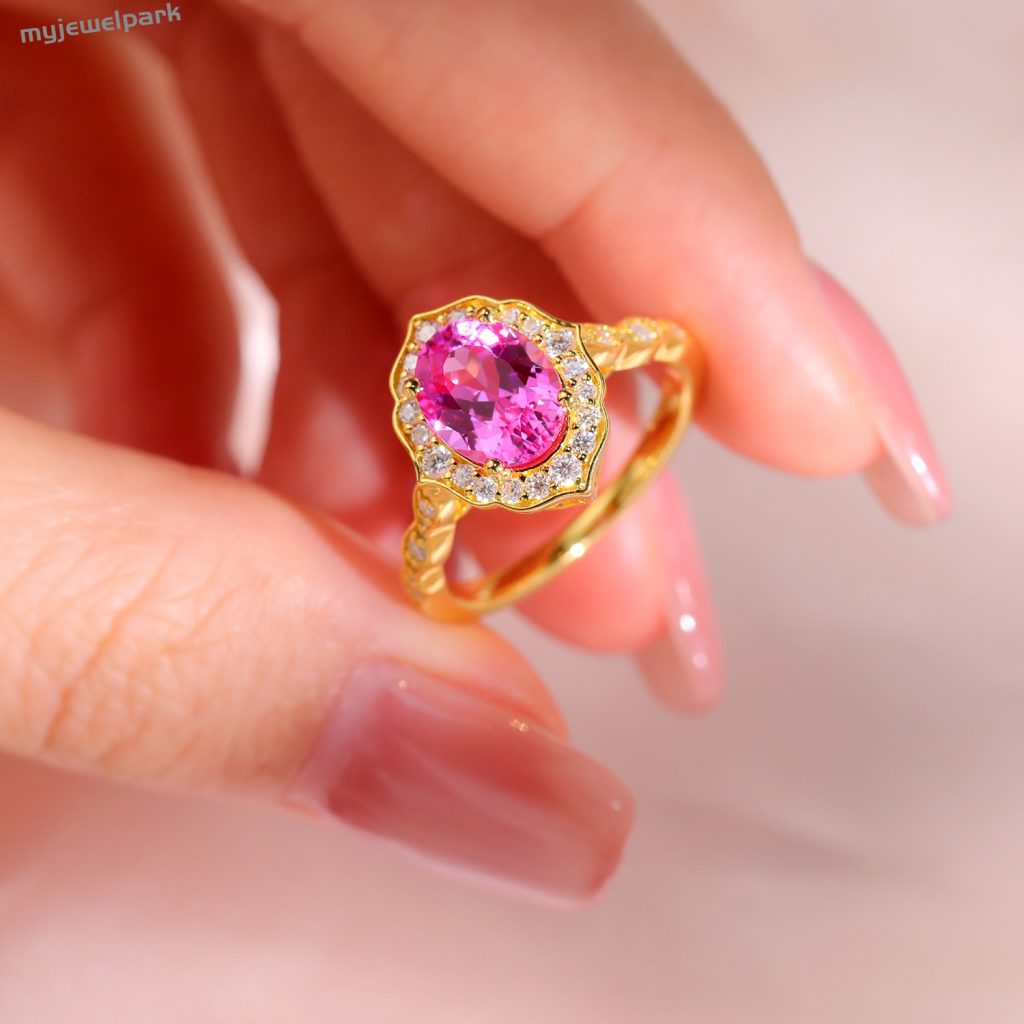
Laboratory-grown sapphires provide a more controlled and accessible alternative. Technicians can replicate specific colors with precision, including the delicate pink-orange mix required for padparadscha classification. This consistency helps reduce the disputes that often arise from borderline natural stones.
According to a 2023 study by the Gemological Science International, 51% of gemstone buyers aged 28 to 42 said they were more likely to purchase lab-grown colored sapphires if the origin and classification were clearly documented. With fewer internal flaws and more predictable coloration, lab-grown stones remove much of the uncertainty that frustrates buyers in the natural market.
For consumers who want a specific color without ambiguity, lab-grown sapphires make the difference easier to see and trust. Whether choosing pink or padparadscha, buyers get exactly what they’re paying for—without relying on vague terminology or subjective grading.