What Is the Best Color of Padparadscha?
Padparadscha sapphires are among the rarest and most debated gemstones in the colored stone market. Unlike other sapphires, which are categorized by more consistent color standards, padparadscha falls into a narrow and often disputed range of hues. The ideal color is widely described as a delicate balance between pink and orange, but what that looks like in practice is a source of ongoing debate.
The Lotus Color Standard
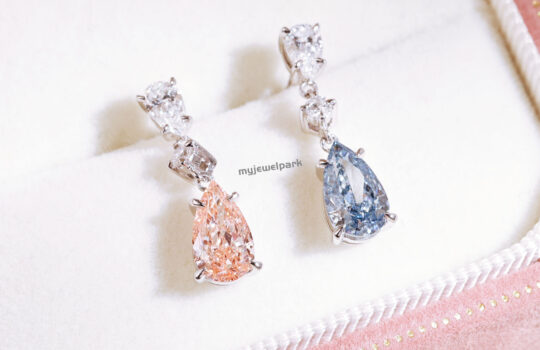
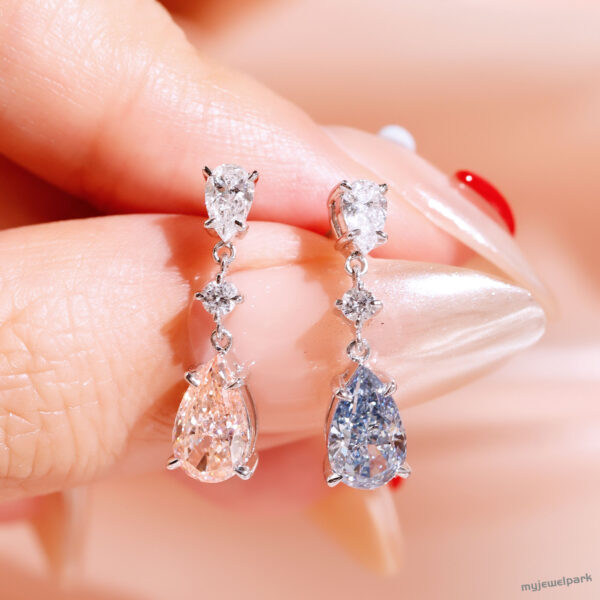
The word “padparadscha” comes from the Sinhalese term for lotus blossom. That reference sets the tone for the ideal color: a soft, pastel-like blend of salmon pink and warm orange. Most gemologists agree that overly dominant pink or orange tones disqualify a stone from true padparadscha classification. The problem is that different labs use slightly different criteria, which makes grading subjective.
The Gemological Institute of America (GIA) defines padparadscha as a stone with a mix of light to medium pinkish-orange or orangish-pink. SSEF and other European labs use similar terms but sometimes draw different boundaries. A 2022 report by the GIA found that over 30% of padparadscha submissions failed to meet the lab’s criteria due to a color imbalance or the presence of modifiers like brown.

Even within accepted parameters, not all padparadscha colors are equally valued. Stones with a clean, even distribution of color and a high level of clarity fetch the highest prices. Those with a more saturated tone that still fits the pink-orange balance tend to be most sought after by collectors.
Divided Opinions in the Jewelry Community
Online forums often reveal how unclear the standard can be. In one popular Reddit thread on r/jewelry, users compared several certified padparadscha sapphires and debated which came closest to the “real” color. Some favored more orange-leaning stones, describing them as warmer and more unique. Others argued that a stronger pink base with just a hint of orange looked more refined and feminine.
YouTube reviews of padparadscha stones show the same divide. In color comparison videos, some viewers comment that the ideal lotus color looks dull, while others feel stones with too much vibrancy lose the softness that defines the gem. Sellers often take advantage of this confusion by labeling borderline colors as padparadscha, which inflates prices and further muddies expectations.
How Lab-Grown Stones Offer Consistency

Lab-grown padparadscha sapphires are helping resolve the issue by offering greater consistency in color production. Since they are created under controlled conditions, manufacturers can target the ideal pink-orange ratio with much more accuracy. These stones are chemically identical to natural sapphires but are free from the guesswork that often surrounds grading.
A 2023 survey conducted by the American Gem Trade Association showed that 54% of consumers under 40 preferred lab-grown colored sapphires for their reliability in color and price. Many cited the difficulty in understanding padparadscha grading as a barrier to buying natural stones.
Lab-grown padparadschas deliver the sought-after hue without ambiguity. For buyers who want the classic lotus color without paying a premium for subjective labels, lab-grown options offer a more transparent and trustworthy solution.