What Is a Muzo Emerald?
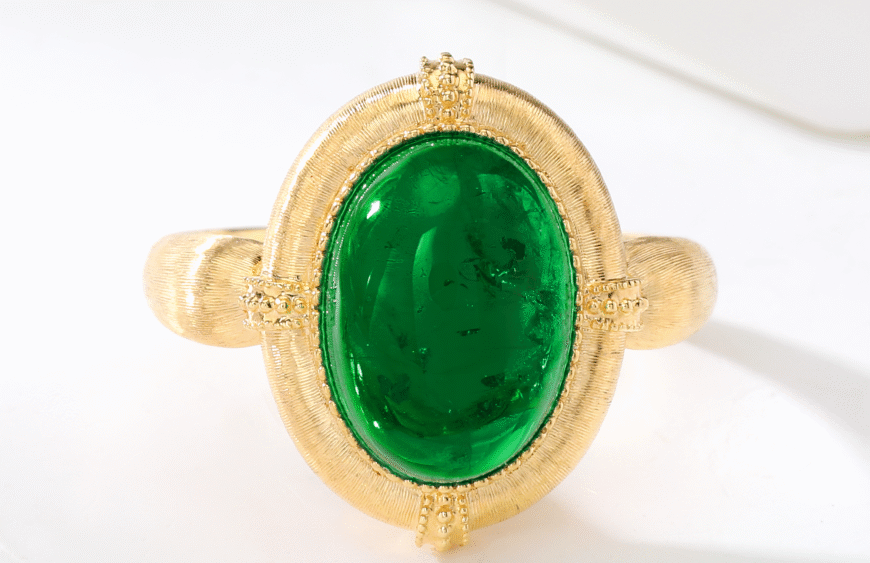
Muzo emeralds come from the Muzo region of Colombia, home to one of the oldest and most respected emerald mines in the world. These stones are prized for their vivid green color, which often displays a bluish undertone and a rich, velvety appearance. Among gem collectors and luxury jewelers, “Muzo” is more than a location—it’s a mark of quality.
What Makes Muzo Emeralds Distinct
Muzo emeralds stand out because of their color and formation conditions. Unlike emeralds from Zambia or Brazil, Muzo stones often contain trace elements like chromium and vanadium, which contribute to their saturated hue. They also tend to have a unique internal glow, sometimes described as a “soft fire” visible in natural light. These traits make them highly desirable in high-end markets.
The Muzo mine has operated for centuries, with historical records dating back to the Spanish conquest. Even now, most Colombian emeralds labeled “top quality” come from this region. But the prestige brings challenges. Because Muzo emeralds command premium prices, stones from other sources are sometimes misrepresented as Muzo-origin. Certification by reputable gemological labs is often the only way to confirm authenticity.

Consumer Debate Around Origin and Value
Muzo emeralds generate strong opinions among collectors and casual buyers. On platforms like Reddit and PriceScope, threads frequently question whether Muzo origin justifies the cost. Some users believe the premium is based more on branding than optical quality. Others defend the reputation, citing the consistent deep green and superior cutting standards used by Muzo-linked dealers.
One Reddit user shared a buying experience where a jeweler claimed a stone was Muzo without lab certification. The thread quickly turned into a debate. Some users said they trust reputable dealers. Others insisted on third-party verification to confirm origin. Similar concerns appear in YouTube reviews. Several creators point out that stones labeled as Muzo can vary widely in tone, clarity, and inclusions.
The Colombian emerald market is also known for treatments like oiling, which can improve clarity but reduce long-term stability. While the practice is accepted across the industry, the extent and disclosure of these treatments remain hot topics in online discussions.
Lab-Grown Emeralds as a Practical Alternative
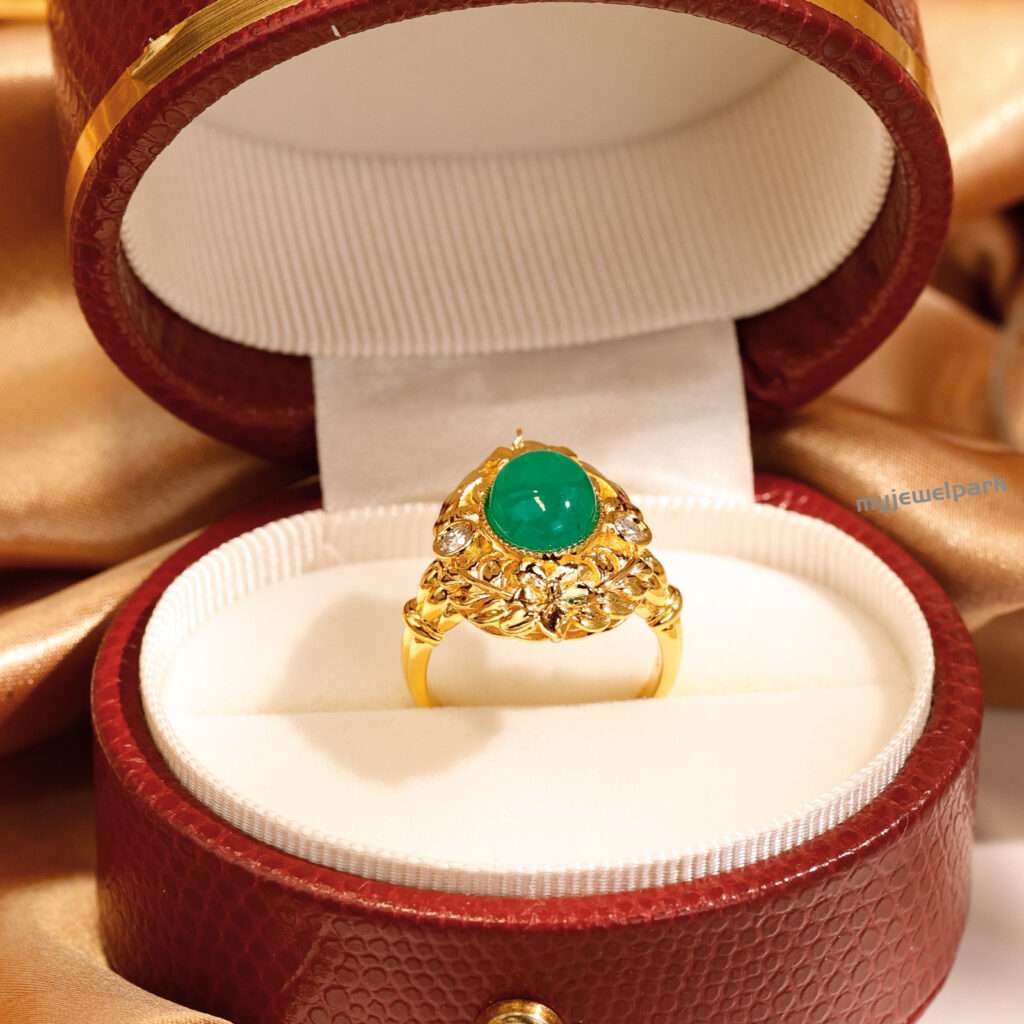
Lab-grown emeralds offer a consistent and traceable option for buyers who admire the Muzo aesthetic but prefer transparency and affordability. Produced under controlled conditions, these stones can replicate the green color and internal structure typical of Colombian emeralds, without relying on mined sources or unverifiable claims.
A 2023 report from the Gemological Institute of America showed that 46% of consumers aged 25 to 40 said they would choose a lab-grown emerald if it matched the appearance and durability of natural stones. Buyers cited concerns over origin fraud, treatment disclosure, and ethical sourcing as key factors.
Lab-grown emeralds are not marketed as Muzo stones, but they provide clarity in both quality and documentation. For those who value appearance and integrity over provenance alone, cultivated emeralds offer a compelling path forward in a market often clouded by vague claims and inconsistent standards.