Is Moissanite or Cubic Zirconia Better?
Moissanite and cubic zirconia are two of the most widely used diamond alternatives. Both offer brilliance, affordability, and accessibility, but they differ in physical properties, longevity, and appearance. For buyers seeking a diamond look without the high price, choosing between the two often depends on how well they hold up in real life—and how convincing they appear under close inspection.
Key Differences in Appearance and Durability
Moissanite is made of silicon carbide and is lab-created under high-temperature conditions. It scores 9.25 on the Mohs hardness scale, just below diamond. This makes it extremely resistant to scratching and suitable for daily wear. Cubic zirconia (CZ), on the other hand, is made of zirconium dioxide and is much softer, rating about 8 to 8.5 in hardness. CZ tends to develop scratches and cloudiness over time, especially when exposed to cosmetics, cleaning products, or regular friction.
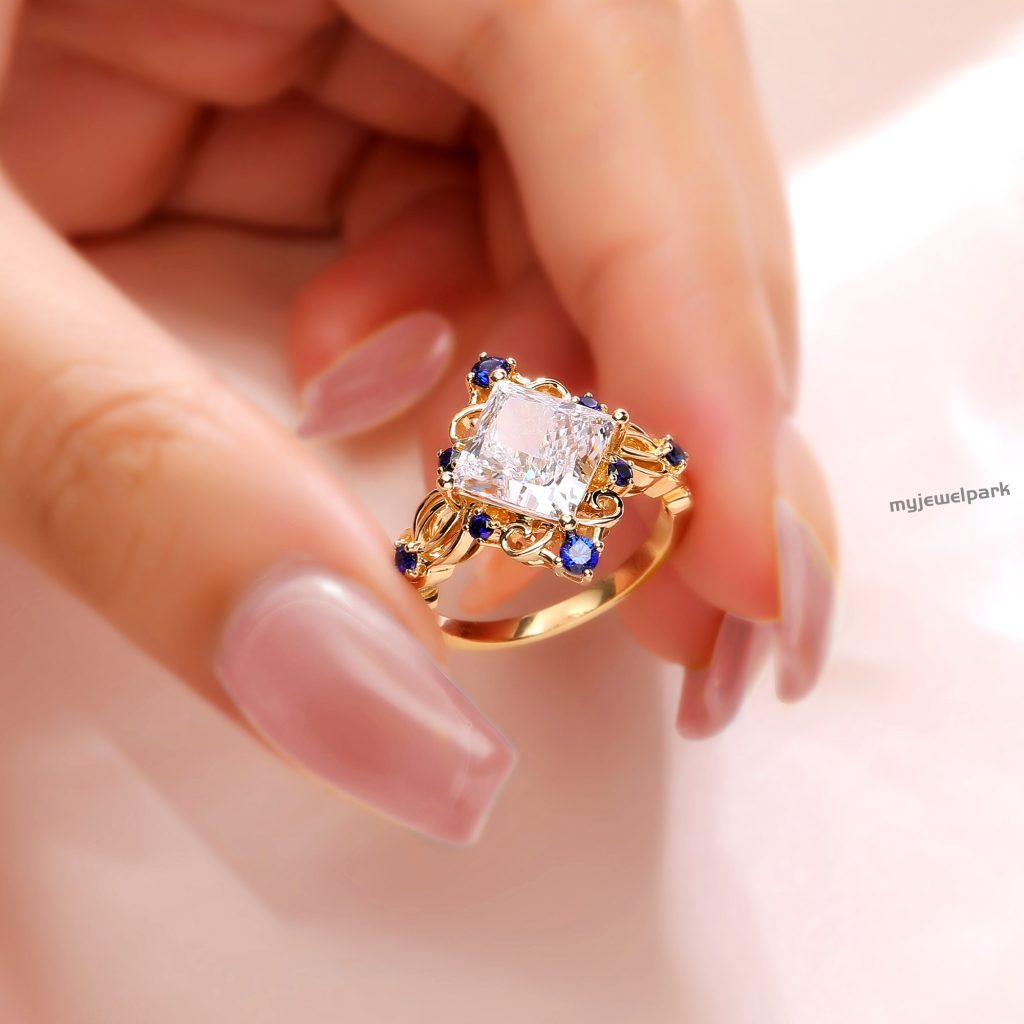
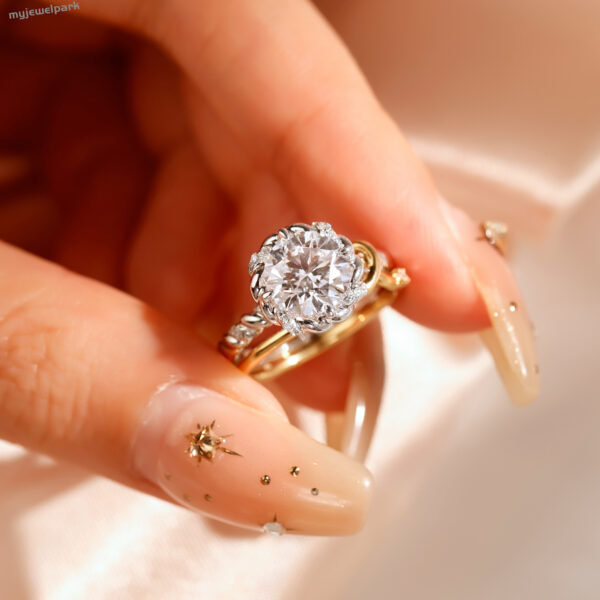
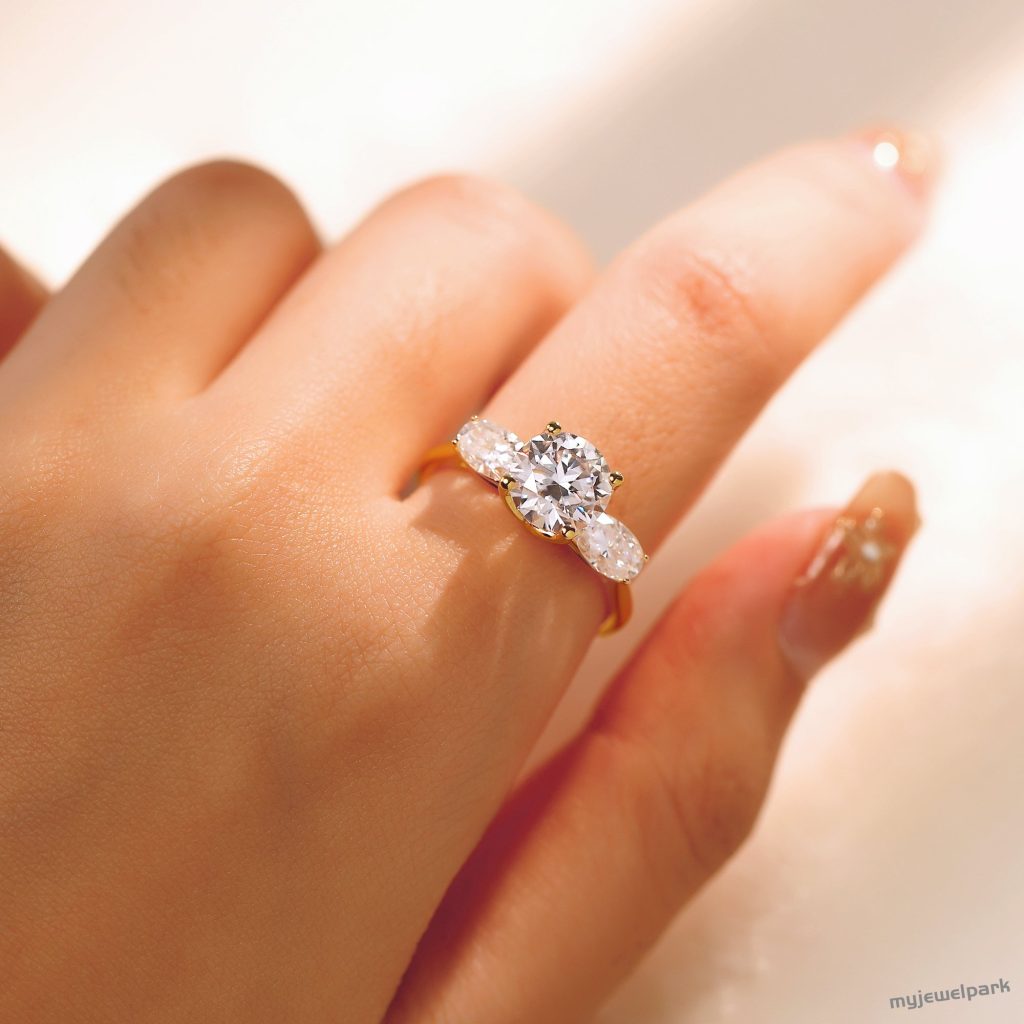
Visually, moissanite has a high refractive index and often shows rainbow-colored flashes, especially in sunlight. This “fire” is more intense than that of diamonds, which some buyers love and others find too artificial. CZ has a lower dispersion rate and tends to look whiter under indoor lighting, but with less sparkle. Under magnification, CZ can also appear glassier and more lifeless compared to moissanite, which reflects light more dynamically.
Divided Opinions in Online Discussions
On forums like Reddit and WeddingBee, opinions about moissanite and CZ are often polarized. One user posted a detailed comparison after owning both for over a year. They said their CZ ring dulled quickly, while the moissanite still looked brilliant with minimal cleaning. Other commenters supported that view, citing the long-term wearability of moissanite.
Still, not everyone agrees that moissanite is the better buy. Some users feel that moissanite’s rainbow flash gives away its identity as a simulant, making it less believable as a diamond substitute. In one YouTube review with over a hundred thousand views, side-by-side footage of the two stones led to a comment section filled with debate. Some praised moissanite’s sparkle as “lively” and “luxurious.” Others criticized it as “too flashy” and preferred CZ’s softer appearance, despite its shorter lifespan.
Cost is another factor in the argument. CZ is far cheaper, making it appealing for short-term use or travel jewelry. Moissanite costs more upfront, but users frequently report that it maintains its beauty far longer, which shifts the value equation for those looking beyond aesthetics.
How Lab-Created Quality Affects Value
Both moissanite and CZ are products of laboratory cultivation, but their production quality differs significantly. Moissanite requires more advanced growth conditions and stricter quality control, resulting in stones with better optical properties and longer durability. CZ is easier and cheaper to produce, but this comes with trade-offs in performance and lifespan.
A 2023 consumer study by the International Gem Society found that 58% of buyers under age 40 preferred moissanite over CZ when both were presented in blind tests. Respondents cited clarity, durability, and overall brilliance as the top reasons.
For those who want a diamond-like stone that performs well under daily wear, lab-grown moissanite offers a stronger, longer-lasting option. While CZ may still appeal to budget-conscious shoppers, moissanite delivers higher quality, greater realism, and better long-term satisfaction.