Why Is My Moissanite Turning Yellow?
Moissanite is known for its brilliance, hardness, and affordability, but a recurring concern among some owners is a visible shift in color over time. Reports of moissanite turning yellow have sparked confusion, especially among buyers who expected long-term clarity. While the gemstone is stable under normal conditions, there are a few factors that can cause or appear to cause this change in tone.
Understanding Color Change in Moissanite
Moissanite itself is a lab-created silicon carbide crystal. It ranks 9.25 on the Mohs scale and resists scratching and chemical damage better than many simulants. Its color is usually graded on a near-colorless scale, often within the G–I diamond range. However, early generations of moissanite, especially before 2015, sometimes had a warmer body color. These stones may show slight yellow or green undertones, especially in sunlight or fluorescent lighting.
One common reason moissanite appears to turn yellow is residue. Soaps, lotions, and oils can build up over time and alter how light interacts with the stone. This residue can create a film that makes the stone look dull or discolored. Once cleaned properly, the original color usually returns. A mild ammonia-free cleaner or professional ultrasonic cleaning is often effective.
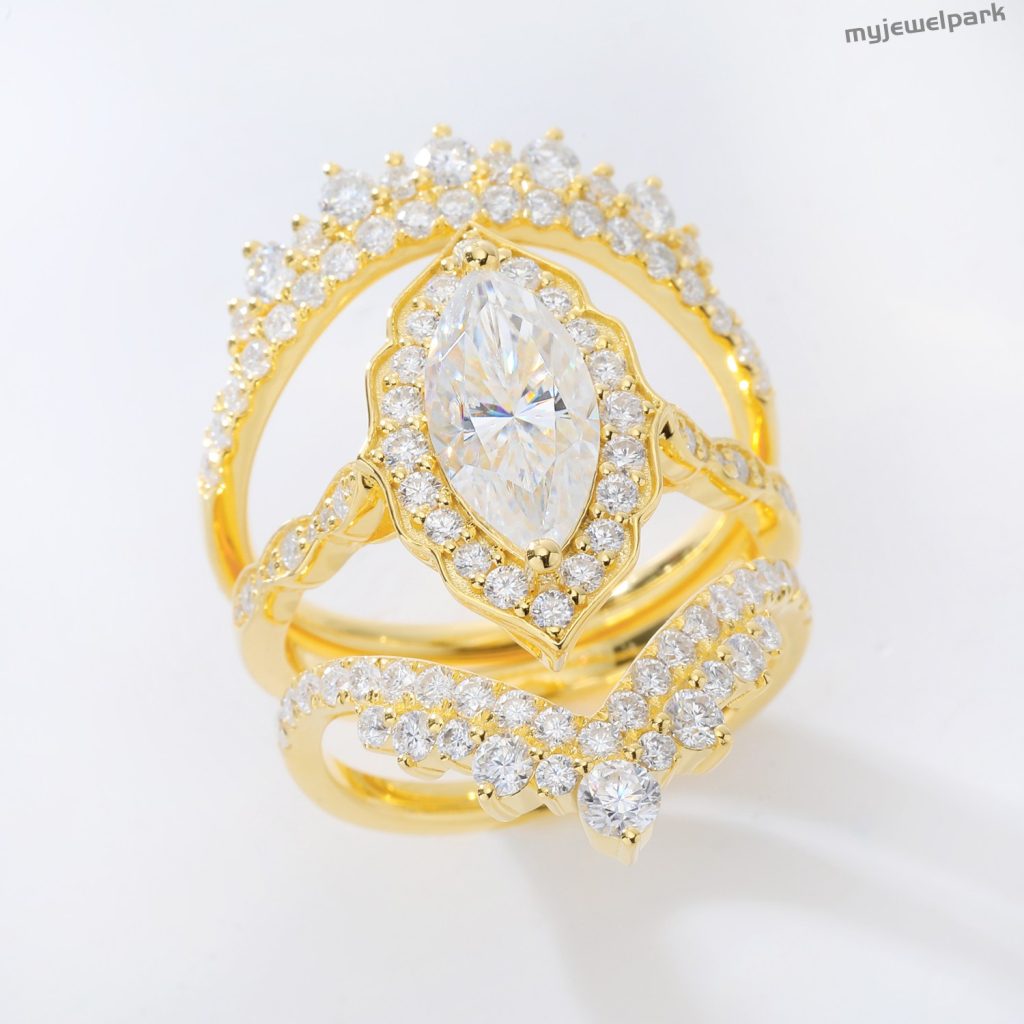
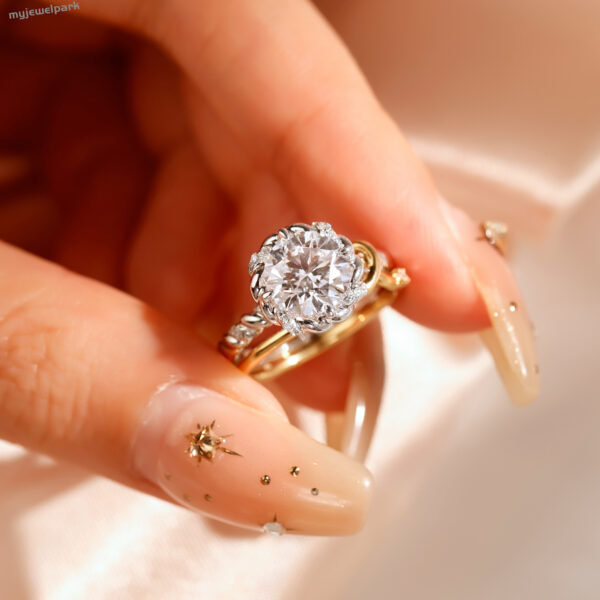
Another possible factor is the setting. Yellow or rose gold prongs can reflect warm tones into the stone, especially when paired with near-colorless moissanite. The result is not a true color change, but a visual effect caused by surrounding materials. Buyers sometimes mistake this reflection for permanent discoloration.
Opinions from Consumers and Online Communities
Discussions about yellowing moissanite frequently appear on forums like Reddit, WeddingBee, and PriceScope. One widely shared post showed before-and-after images of a moissanite engagement ring that appeared noticeably more yellow after two years. The original poster believed the stone had changed permanently. Comments poured in from users with similar concerns, while others insisted that cleaning or lighting made the difference.
Some users also claim that low-quality moissanite, particularly from unverified overseas sellers, is more prone to discoloration. Videos on YouTube comparing high-end moissanite brands often show subtle color shifts under different lighting. In the comments, viewers debate whether it’s a natural optical characteristic or a sign of poor manufacturing.
This divide has led to confusion among consumers. While most moissanite sold today is color-stable, inconsistencies in quality control or mislabeling have made it harder for buyers to know what to expect.
How Laboratory Standards Help Protect Buyers
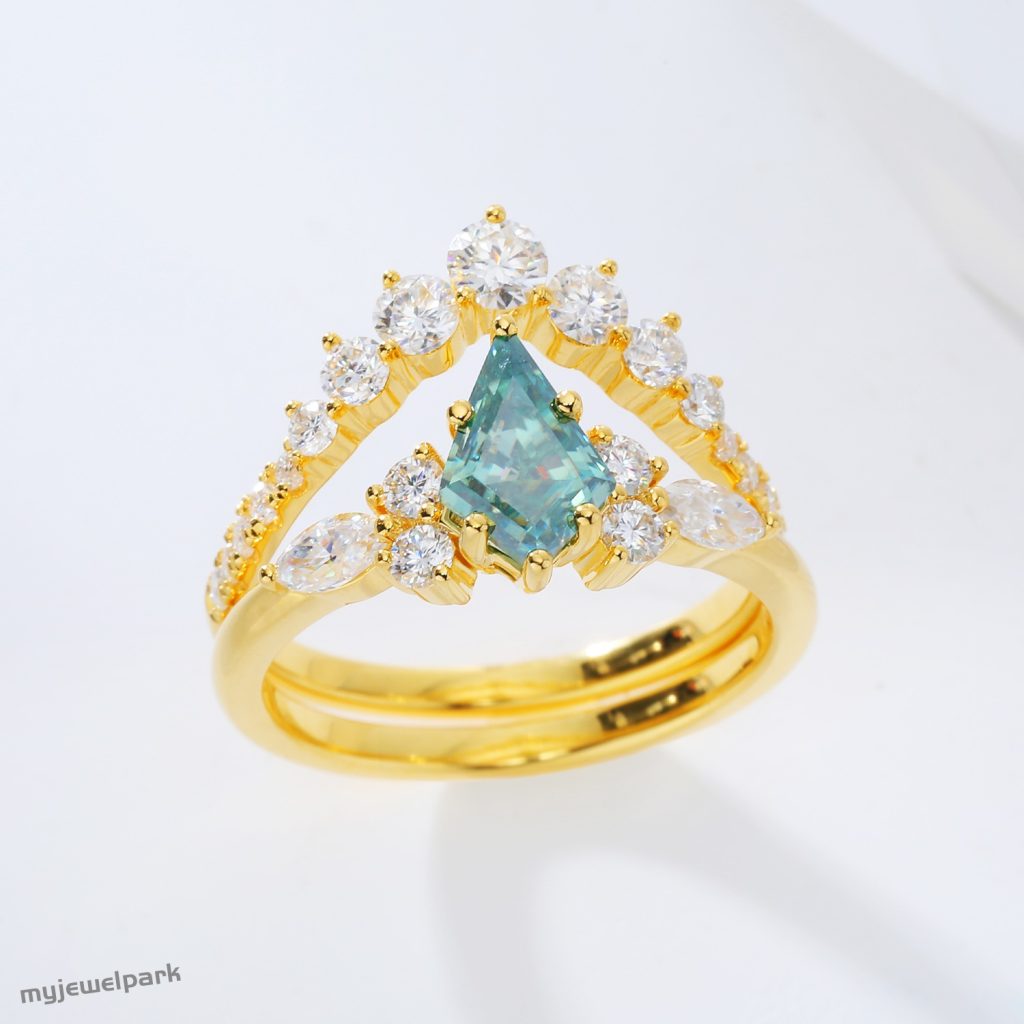
Laboratory-produced moissanite has become more refined over the past decade. Reputable manufacturers now control temperature, pressure, and chemical purity during growth to prevent unwanted hues. High-grade moissanite is tested for color stability and optical clarity before being sold. These quality measures reduce the risk of visible discoloration over time.
A 2023 study from the International Gemological Institute reported that 61% of buyers under 35 prefer moissanite certified by recognized labs. Key reasons included better color consistency, detailed documentation, and increased trust in brand transparency.
For consumers who want reliable performance, choosing moissanite from established lab producers makes a difference. Certification ensures the stone’s color grade matches expectations and offers recourse if problems occur. With careful selection and proper care, modern moissanite should retain its brilliance and clarity without shifting in tone.