How to Check the Purity of an Emerald Stone
How to check the purity of an emerald? Emerald purity is one of the most important factors in determining quality and value. Unlike diamonds, emeralds are almost always included, which makes assessing purity more complex. Purity, in this context, refers to the clarity of the stone and the absence of treatments or synthetic alterations. Buyers often confuse a clear stone with a pure one, but real emerald purity involves more than what meets the eye.
Key Features to Examine
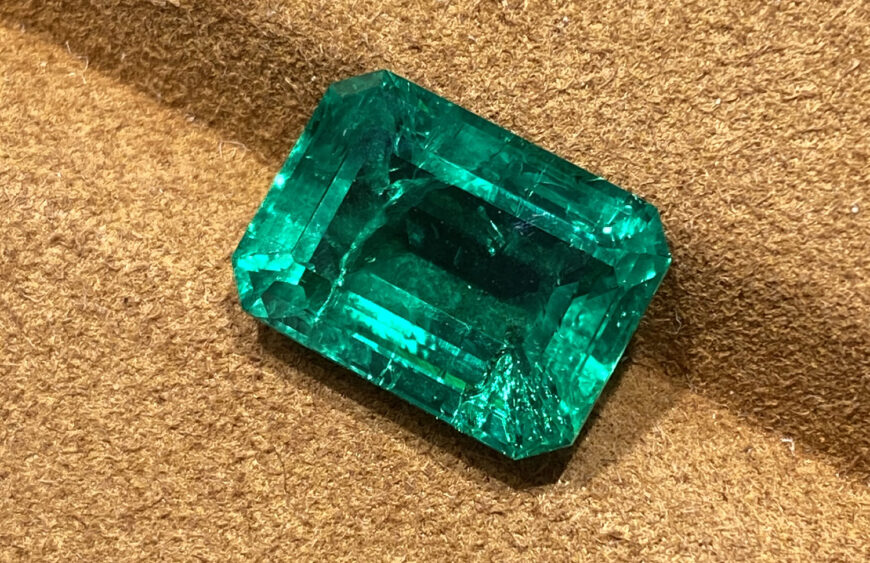
The first step in checking emerald purity is inspecting the inclusions. Natural emeralds typically show fine fissures, growth lines, or cloud-like formations. These are not flaws but internal characteristics that confirm natural origin. Under 10x magnification, these inclusions should appear organic, not bubble-like or overly uniform. Synthetic emeralds often contain curved striae or metallic particles that don’t occur in natural stones.
Clarity enhancement is another major factor

Most emeralds on the market are treated with cedarwood oil to fill surface-reaching fractures. Untreated stones are extremely rare. A pure emerald, in the strictest sense, would be free from both synthetic origin and clarity treatments. Some dealers claim to offer untreated stones, but without verification from a reputable lab, such claims remain unproven.
Color zoning can also affect how purity is perceived. A high-quality emerald will show even saturation across the stone. If the green appears too vivid or too clean, some buyers suspect synthetic growth or dye enhancement. Authentic emeralds usually have slightly varied tones due to the presence of chromium or vanadium.
Online Disagreements and Buyer Confusion
Online forums like PriceScope and Reddit often host heated debates on what counts as a pure emerald. One user shared lab reports from two different certification agencies for the same stone. One labeled it untreated, the other marked minor oil. Commenters were divided, with some trusting the stricter lab, while others questioned whether trace oil should even matter if the stone looked clean.
YouTube reviewers have added to the confusion. In one side-by-side comparison, a treated and untreated emerald were shown under magnification. The treated stone appeared clearer and more vibrant. Viewers argued in the comments over whether purity should take priority over appearance. Some said they would rather buy a treated stone that looked better. Others insisted purity meant no compromise, even if it meant visible inclusions.
This divide shows how buyers often weigh visual appeal against authenticity. Without certification, it’s nearly impossible for the average person to determine whether a stone is truly pure.
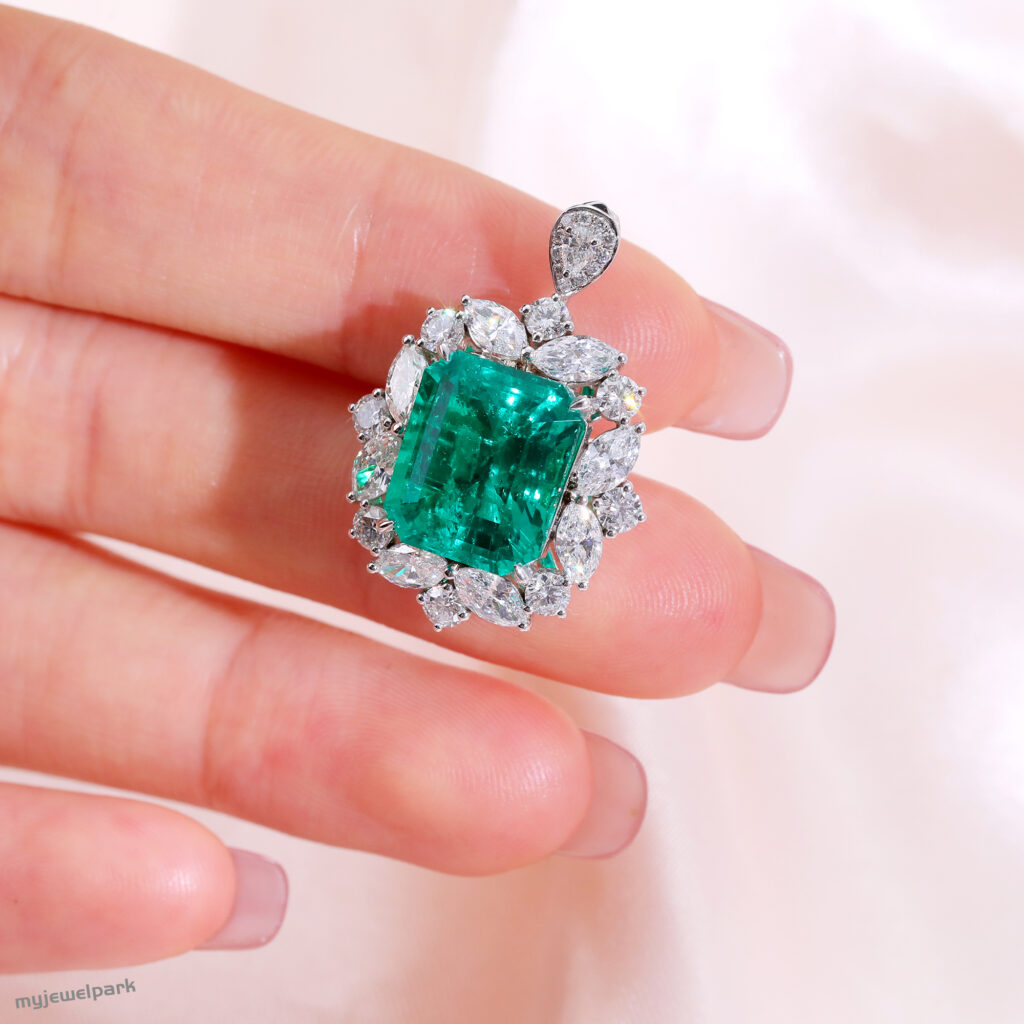
How Lab-Grown Emeralds Provide Controlled Purity
Lab-grown emeralds use natural beryl embryos and simulate Earth’s pressure and temperature to form stones with similar inclusions, cream bodies, and surface cracks. The difference is in control. These features are cultivated intentionally, allowing for consistent clarity and fewer unpredictable fractures.
Because the process is transparent, labs can document whether the stone is treated, untreated, or fully synthetic. A 2023 survey from the Gemological Science International reported that 58 percent of gemstone buyers under 40 trusted lab-grown emeralds more than uncertified natural stones. Many cited clearer documentation, ethical sourcing, and better visual performance.
For buyers who want purity without uncertainty, lab-grown emeralds offer a dependable and consistent alternative. They give a clearer picture of what is in the stone and what isn’t.