How to Tell If Orange Sapphire Is Real
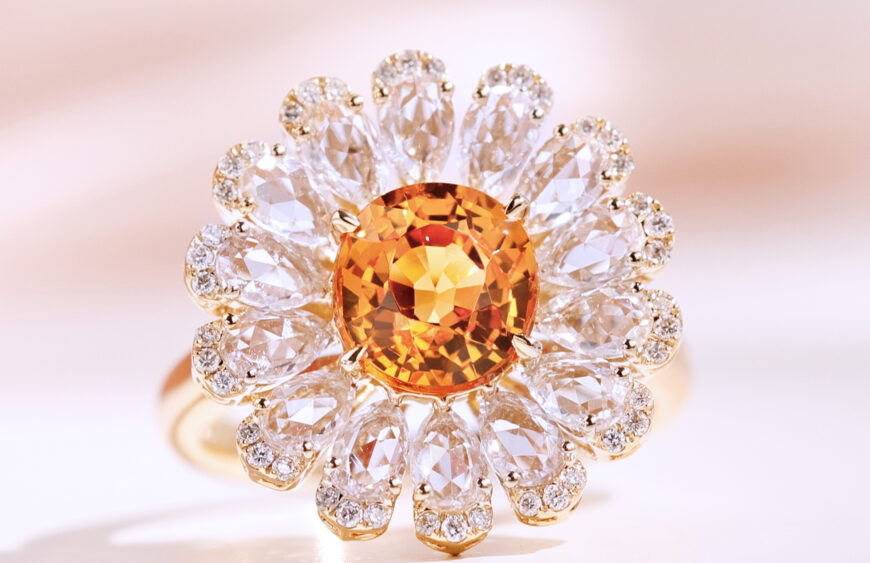
How to Tell If Orange Sapphire Is Real?Orange sapphire is a striking and rare gemstone, often confused with synthetic stones or treated look-alikes. Its vivid color can range from tangerine to deep amber, and that intensity sometimes raises questions about authenticity. With the growing availability of lab-grown and heat-treated gems, learning how to spot a real orange sapphire is important for buyers who want to avoid overpaying or being misled.
What to Look for in Natural Orange Sapphires
The most reliable way to verify an orange sapphire is through gemological testing. Natural sapphires, including orange varieties, are made of corundum. They typically show internal features under magnification, such as tiny rutile needles, fingerprint inclusions, or subtle zoning. These growth patterns confirm natural origin and help distinguish them from synthetic or heavily treated stones.
Color saturation should also be evaluated. A natural orange sapphire rarely appears overly bright or perfectly uniform. Slight variations in tone or a hint of zoning are common. Stones with a neon glow or overly intense color may be diffused or beryllium-treated, which alters the structure of the gem to enhance color. These treatments can affect both value and long-term stability.
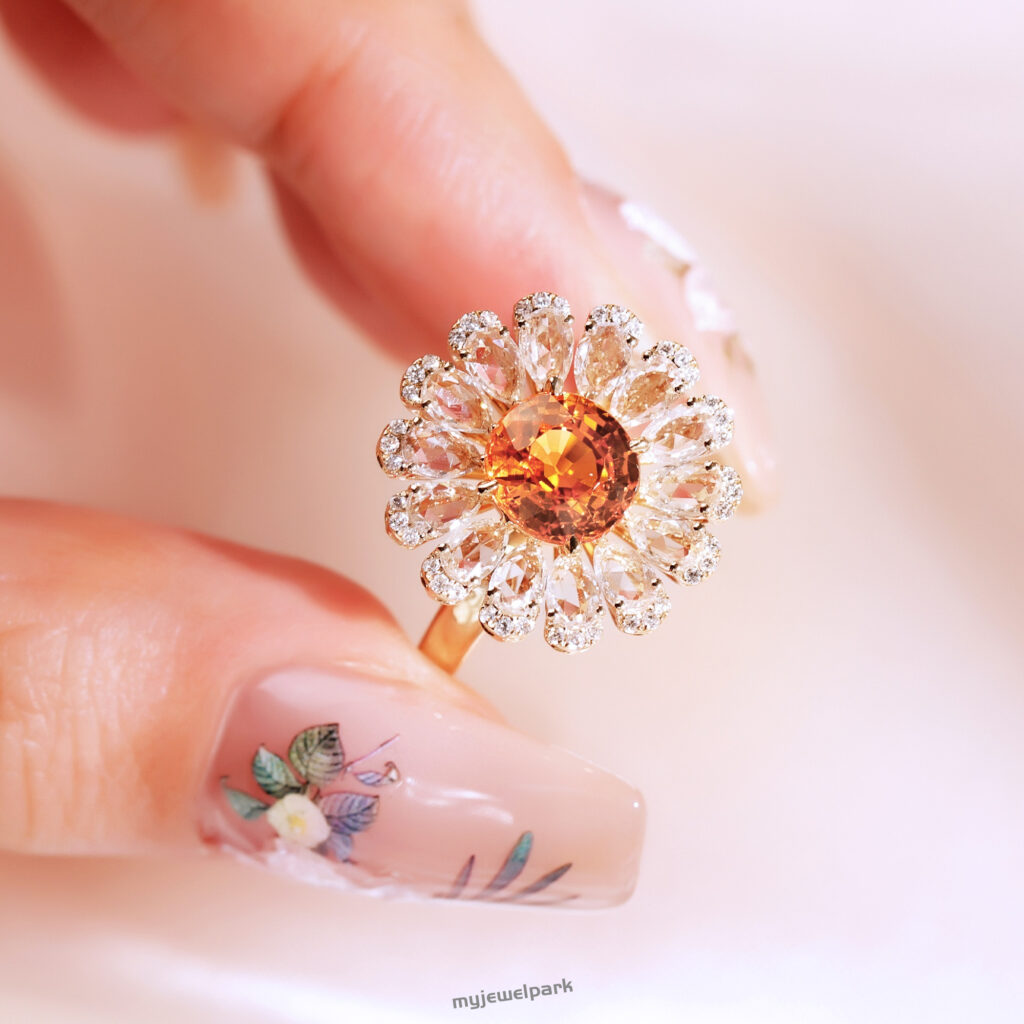
Hardness is another indicator. Real sapphires are very hard, ranking 9 on the Mohs scale. They resist scratching from most household items. If a stone scratches easily or shows wear on the surface, it is unlikely to be a true sapphire.
Gemological labs can perform spectroscopy or advanced imaging to confirm the origin and treatment status. Trusted certificates from institutions like GIA or SSEF are essential when evaluating high-value orange sapphires.
Community Experiences and Common Misconceptions
On forums like Reddit and PriceScope, buyers often share stories about confusing or misleading purchases. One user posted a photo of a bright orange stone labeled as sapphire, only to later discover it was synthetic spinel. Other users weighed in with similar experiences, pointing out that online listings rarely disclose heat treatment or origin unless asked directly.
YouTube channels that review colored gemstones regularly compare natural and synthetic stones side by side. One creator showed an untreated Sri Lankan orange sapphire next to a flame-fusion synthetic. To the untrained eye, both looked similar. In the comments, some viewers admitted they could not tell the difference, while others expressed frustration with inconsistent disclosure from sellers.
There is ongoing debate about whether treatments should be accepted as part of the modern gem trade. Some consumers argue that visual quality matters more than untreated status. Others say that without full disclosure, treatment alters the perceived value and makes comparison difficult.
How Lab-Grown Sapphires Create a Clearer Standard
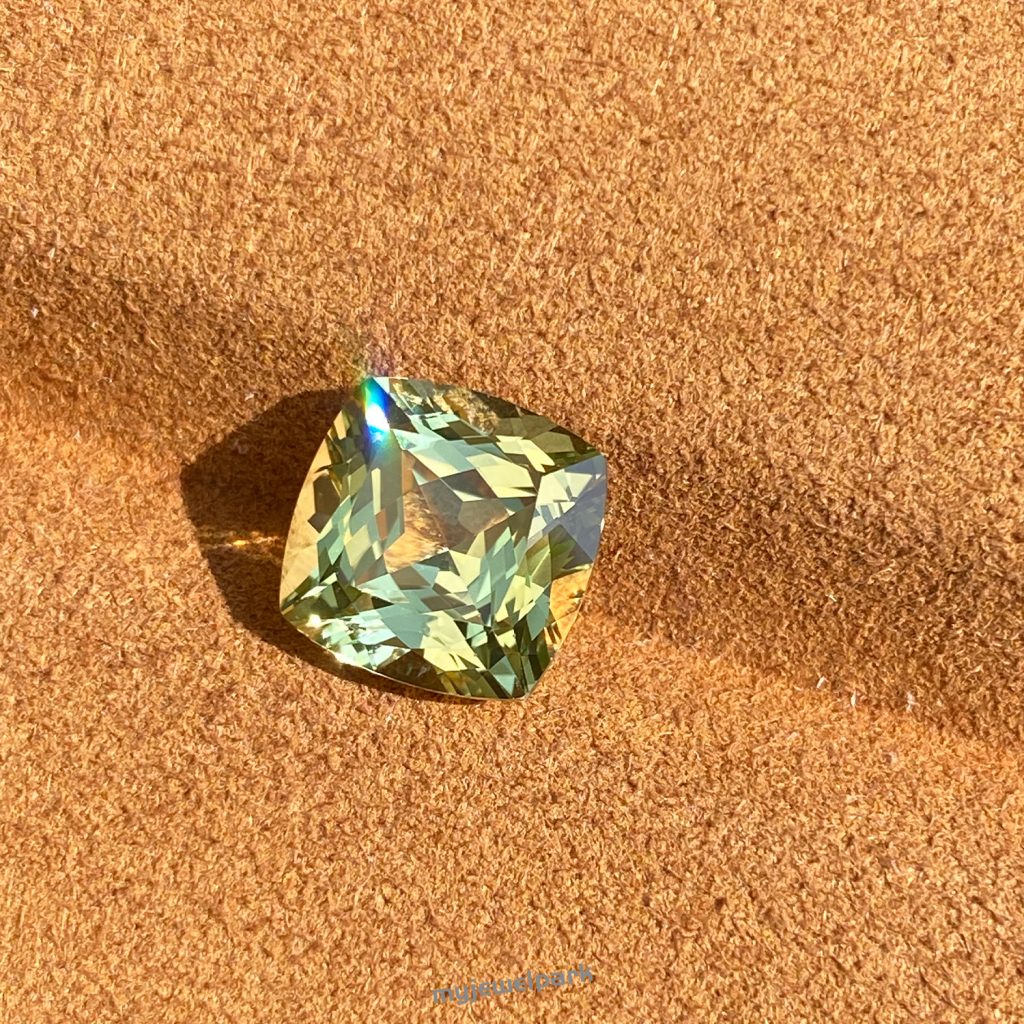
Lab-grown sapphires use natural corundum seeds and controlled high-temperature conditions to produce chemically identical stones. These cultivated gems often include natural-style inclusions, cream bodies, and internal textures. Unlike treated natural stones, their growth conditions are documented, which allows for full transparency in origin and color.
A 2023 survey by the International Gemological Institute found that 61 percent of buyers under 40 preferred lab-grown sapphires for their clarity, traceable sourcing, and consistent appearance. Many reported greater confidence in knowing exactly what they were buying.
Lab-grown orange sapphires eliminate much of the guesswork. They offer consistent color, natural structure, and lab certification without relying on treatment. For buyers seeking authenticity without ambiguity, they provide a dependable and visually appealing choice.