Do Rubies Glow Under Black Light
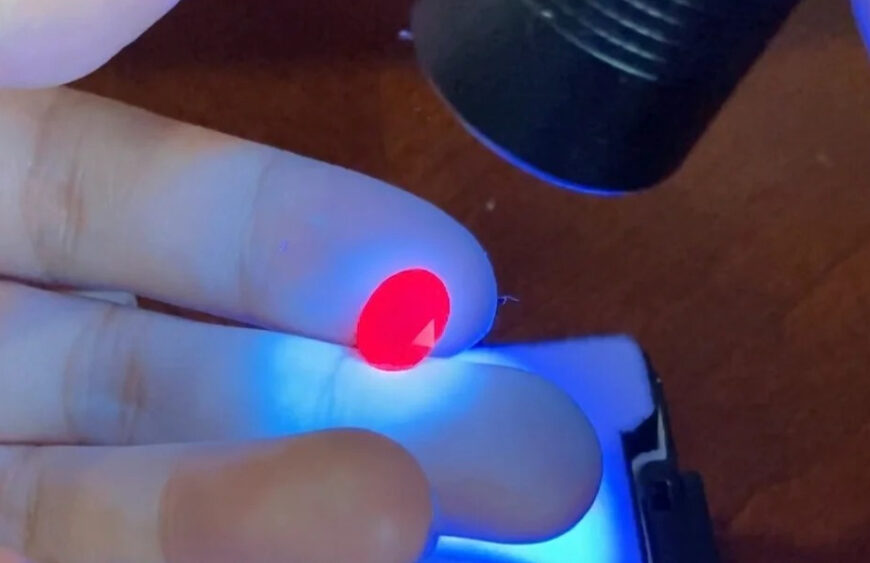
Rubies have long been associated with fire, intensity, and brilliance, but their behavior under ultraviolet (UV) light has added another layer of fascination. When exposed to black light, many rubies emit a red fluorescence that appears to glow. This glowing effect is not universal, though. Its strength and color depend on the ruby’s origin, treatment, and chemical makeup.
Why Some Rubies Glow
Fluorescence in rubies is caused by the presence of chromium, the element that also gives rubies their red color. When exposed to UV light, chromium can emit visible red light, making the stone appear to glow. This effect is especially pronounced in rubies from Myanmar (Burma), which often show a strong red fluorescence. In contrast, rubies with iron content, such as those from Thailand, tend to show little or no reaction under black light because iron suppresses fluorescence.
Controversy over this glowing feature often arises in online forums. On Reddit, users in gemstone and mineral subforums debate whether fluorescence proves a ruby’s authenticity or quality. One thread included photos of glowing rubies with comments divided between excitement and suspicion. Some users claimed that a strong red glow under UV confirmed a ruby was natural, while others argued that synthetic rubies often fluoresce just as strongly, or even more.
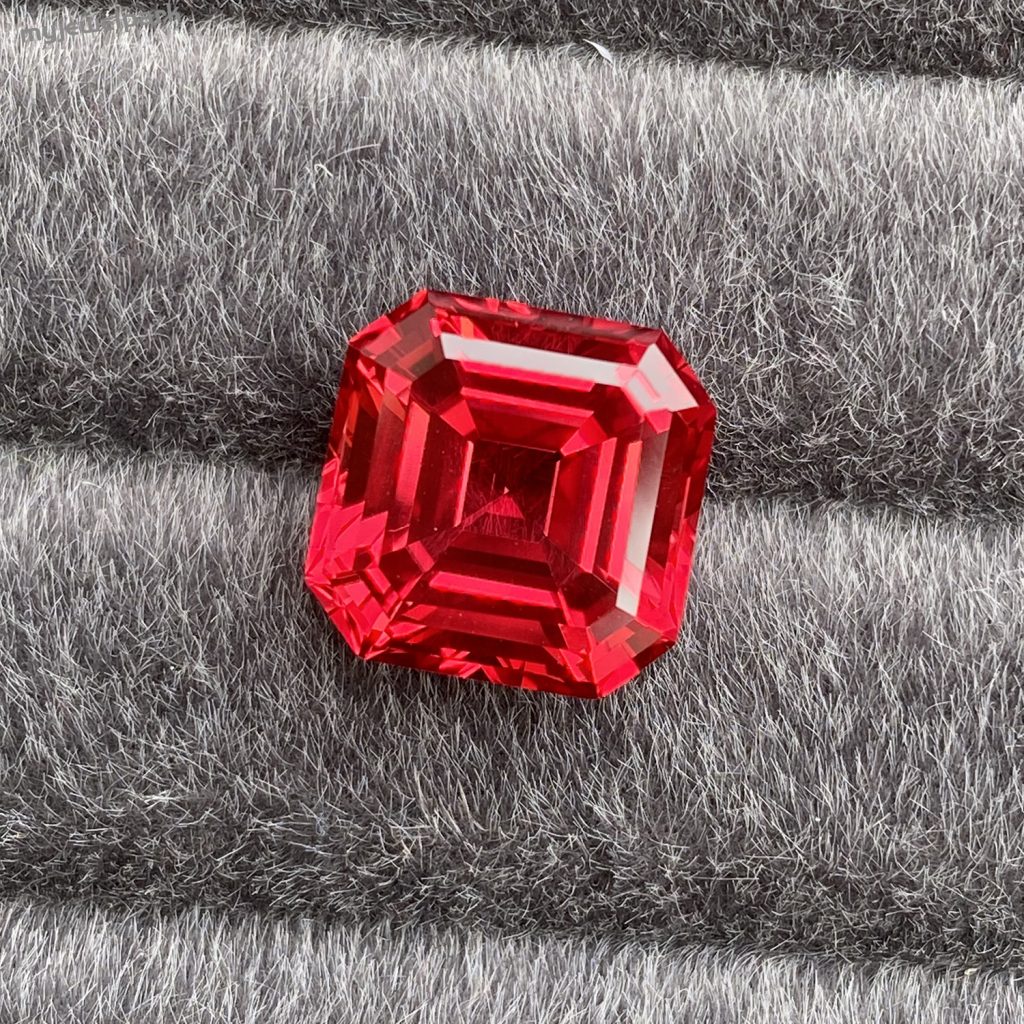
On YouTube, videos testing rubies under black light have attracted mixed opinions. Some creators use glow as a visual trick to distinguish real rubies from imitations like garnet or glass. Viewers in the comments challenge this method. Some point out that synthetic rubies, especially those made by flame fusion, can glow very intensely. Others note that not all natural rubies will fluoresce. The presence of iron or heat treatment can reduce or block the glow.
The Role of Gemological Testing
Professional gemologists caution against using UV glow as the only sign of authenticity. The Gemological Institute of America confirms that fluorescence can support identification, but it’s not conclusive. They recommend a combination of magnification, spectroscopy, and origin analysis for accurate results. A 2022 GIA study found that about 70 percent of rubies submitted from Myanmar showed strong fluorescence, compared to less than 20 percent from Thailand.
The study also noted that synthetic rubies, especially those made with aluminum oxide and chromium in controlled environments, often glow under UV light as vividly as natural stones. This complicates the assumption that glowing equals authenticity. The quality of the glow must be judged alongside other factors, including inclusions and growth structure.
Advantages of Laboratory-Grown Rubies

Lab-grown rubies offer more consistent fluorescence and clarity. Because they are created using natural corundum seeds under controlled conditions, lab-grown rubies can replicate the chemical composition of high-quality natural rubies. Some even contain planned inclusions and cream body textures that mimic the character of mined stones.
This precision allows labs to produce rubies with a reliable glow under UV light, appealing to consumers who value visual effect. According to a 2023 consumer survey by the International Gem Trade Association, 58 percent of respondents under age 40 were open to lab-grown rubies if the optical quality matched natural ones. Fluorescence was listed as one of the most desirable traits in visual evaluation.
By offering strong color, ethical sourcing, and lower cost, lab-grown rubies have become a smart option for buyers looking for consistent glow and verified quality. The UV response may not prove origin, but in controlled conditions, it can be fine-tuned to meet aesthetic expectations.