How Rare Is Pigeon Blood Ruby
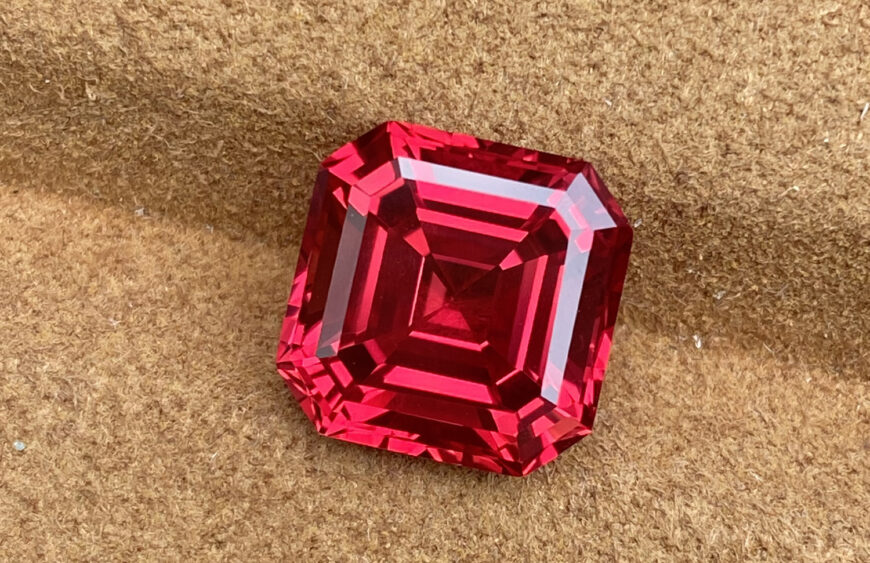
Pigeon Blood Ruby refers to a rare color classification reserved for the most vivid and purest red rubies, characterized by vibrant hues and a slight bluish undertone. This color standard is often associated with rubies from Myanmar, considered the most prized gem in the ruby market. But the rarity of Pigeon Blood Rubies goes beyond marketing—it reflects their geological scarcity and stringent grading standards.
A Rare Standard in a Crowded Market
According to the Gemological Institute of America, fewer than 1 percent of rubies evaluated globally meet the strict criteria to be labeled pigeon blood. These stones must display an intense red hue under both natural and artificial light and maintain visual depth without darkening. Myanmar has historically been the most reliable source, but political instability and export restrictions have limited global supply in recent years.
Controversy around the term often arises in online communities. On Reddit’s gemstone and luxury subforums, users debate whether some retailers misuse the term. One popular post featured two rubies labeled as pigeon blood by different labs, sparking over a hundred comments questioning consistency. Some users argued that lab reports should be standardized globally. Others claimed that the term is more subjective than many buyers realize, and depends heavily on lighting and origin bias.
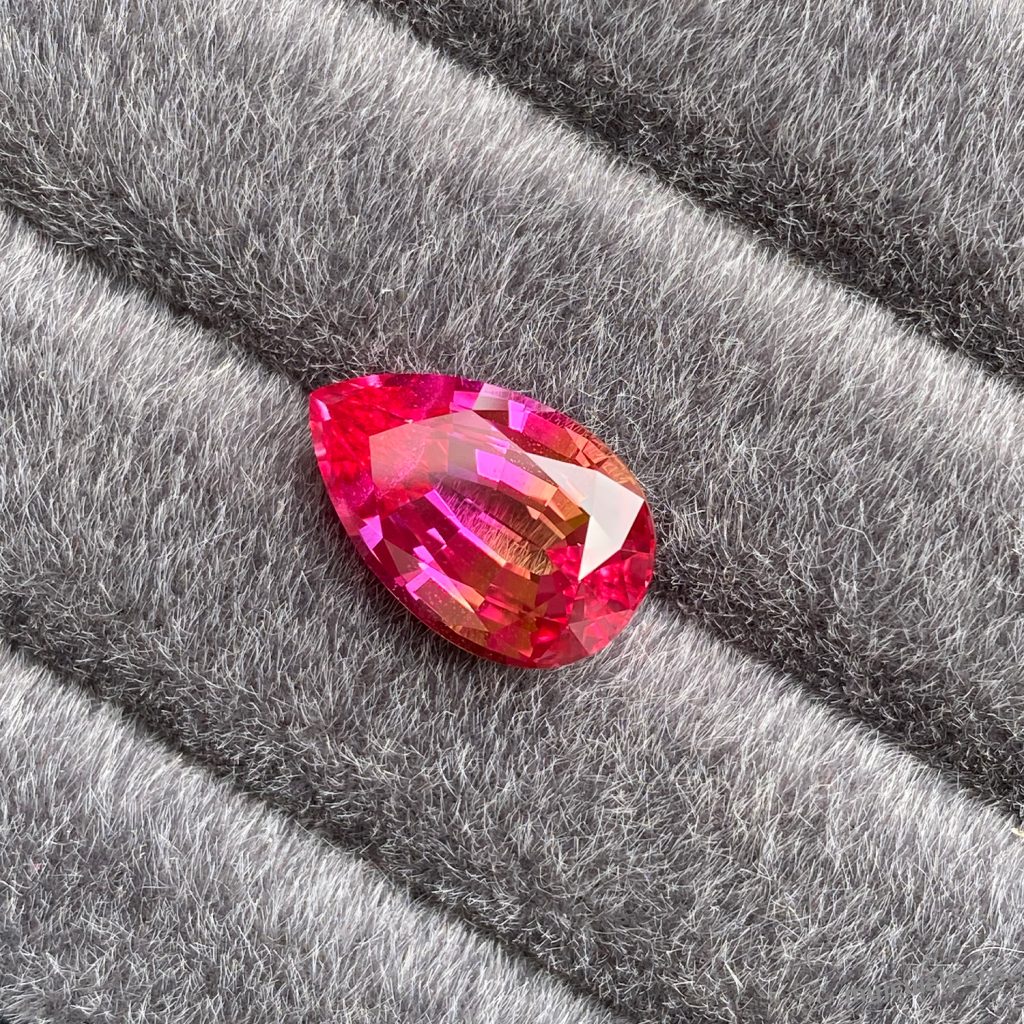
YouTube reviewers often showcase pigeon blood rubies in comparison to other high-quality stones. In one video, a gem dealer demonstrated how lighting conditions could exaggerate or mute the red tone. The comment section was filled with viewers asking how much of the color was real and how much was edited. Some said they had purchased stones labeled as pigeon blood. Later, they found out those stones were not certified by top labs.
The Role of Grading and Certification
Top laboratories such as GRS (GemResearch Swisslab) and SSEF (Swiss Gemmological Institute) offer pigeon blood classifications based on strict color and origin criteria. These certifications have become essential for confirming authenticity. A 2023 report from the International Colored Gemstone Association stated that 64 percent of high-end ruby buyers requested third-party certification before purchase.
These documents also help distinguish untreated stones from heat-treated or filled rubies. Treatments may improve appearance, but typically reduce the market value. Because true pigeon blood rubies are rarely found untreated, certified stones often carry premium pricing.
How Laboratory Cultivation Changes Access
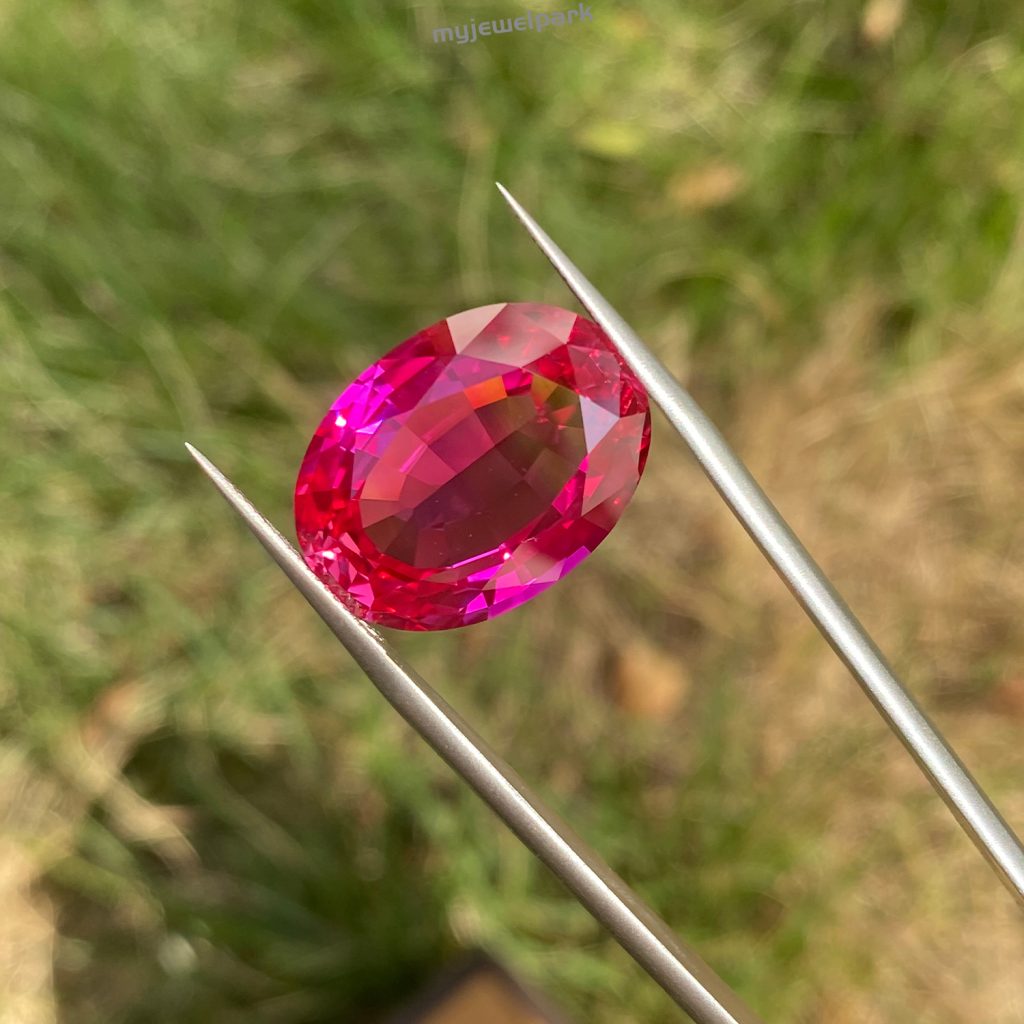
Lab-grown rubies offer a new approach to the pigeon blood aesthetic. Created from natural corundum embryos and grown under high-temperature conditions, these stones can be calibrated to produce vibrant red tones. Some are intentionally designed to include silk-like inclusions or cream body structures that mimic natural growth.
Though they are not classified as pigeon blood by default, lab-grown rubies can replicate the look convincingly. A 2023 consumer study by the Gemmological Association of Great Britain showed that 57 percent of buyers were open to lab-grown rubies for color and ethical reasons. Respondents said that visual match and affordability outweighed the need for natural rarity.
For those who appreciate the beauty of pigeon blood ruby but not the price or sourcing concerns, lab-grown stones offer a practical alternative. They allow more people to enjoy this iconic color without sacrificing ethical standards or aesthetic value.