Why Are Lab-Grown Emeralds So Cheap?
Lab-grown emeralds often cost significantly less than natural stones while maintaining comparable beauty and charm. Understanding why this price gap exists helps buyers assess value with clarity and confidence.
What Drives the Price Difference
Emeralds form under rare geological conditions, requiring beryllium and chromium-rich environments under extreme pressure. Natural emerald mining is unpredictable, labor-intensive, and yields few gem-quality stones. Many rough stones require treatment with oils or resins to mask fractures, further influencing value.
In contrast, lab-grown emeralds are produced under controlled hydrothermal or flux methods using natural beryl embryos. The environment is predictable and scalable, reducing waste and cutting costs associated with mining, such as labor, environmental impact, and heavy logistics. On average, lab-grown emeralds of equal quality cost approximately 30 to 40 percent less than natural counterparts.

Online Discussions and Buyer Skepticism
Consumer opinion on forums like Reddit and r/SyntheticGemstones often reflects skepticism about why lab-grown emeralds are so cheap. One common thread shows a user who compared two emeralds of similar cut and clarity. Commenters debated whether the difference in price signified hidden flaws in the lab-grown option or simply a more efficient production method.
Video reviewers on YouTube sometimes highlight comparisons between treated natural stones and lab-grown ones, triggering mixed reactions. Some buyers value untreated origin and claim natural emeralds build character over time. Others prefer clean color and clarity and see lab-grown as a smarter investment, assuming full disclosure and documentation. Discussion often turns to perceived transparency and trust.
How Lab-Grown Emeralds Maximize Quality
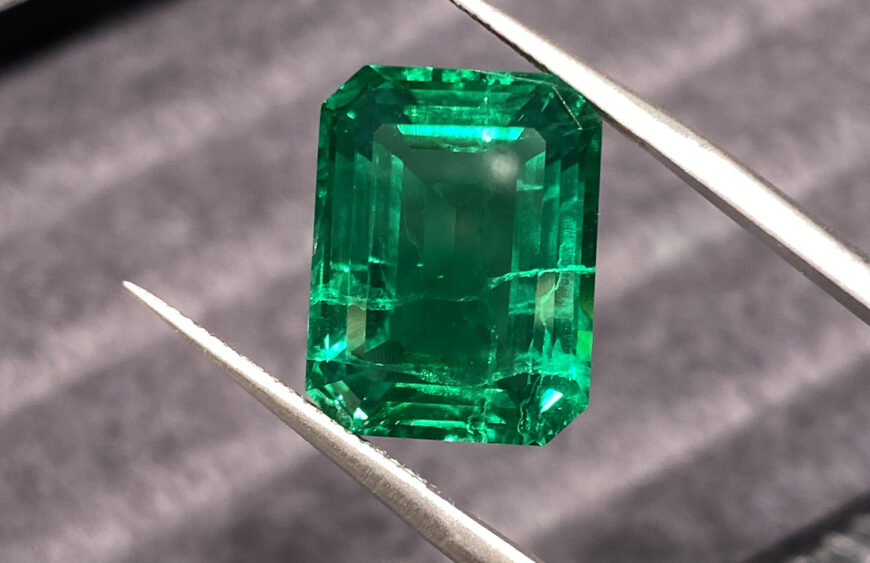
Lab-grown emeralds replicate key natural traits while minimizing weaknesses. Using controlled conditions, developers can grow stones that include realistic inclusions, cream bodies, or even subtle cracks—features often seen in mined stones. These are carefully arranged to ensure structural stability while preserving visual depth and character.
With consistency in color, clarity, and shape, lab-grown stones allow exactly comparable quality across different carats and cuts. No surprise clarity reductions or color shifts exist. Because fewer stones are lost during cutting and more matches can be made for sets, production scale increases and pushes price lower.
A 2023 survey by the Gemological Association of Great Britain found that 56 percent of buyers under 35 accepted lab-grown gemstones when transparent treatment and origin data were provided. Price was cited by 31 percent as the primary purchase driver, with nearly equal numbers citing higher quality or clarity for the money.
The Value of Controlled Cultivation
Lab-grown emeralds offer reliable clarity and consistent tone at significantly lower cost. Their growth process yields predictable internal features, often simulating natural inclusions without compromising durability. Buyers know what to expect—no surprise inclusion severity or grading discrepancies.
While natural emeralds maintain prestige and may hold investment value, lab-grown emeralds are transforming how consumers access high-quality gemstones. For those prioritizing ethical sourcing, visual performance, and affordability, lab-grown emeralds present a clear, transparent, and compelling alternative.