Does Spinel Glow Under UV Light?
The Science of Fluorescence in Spinel
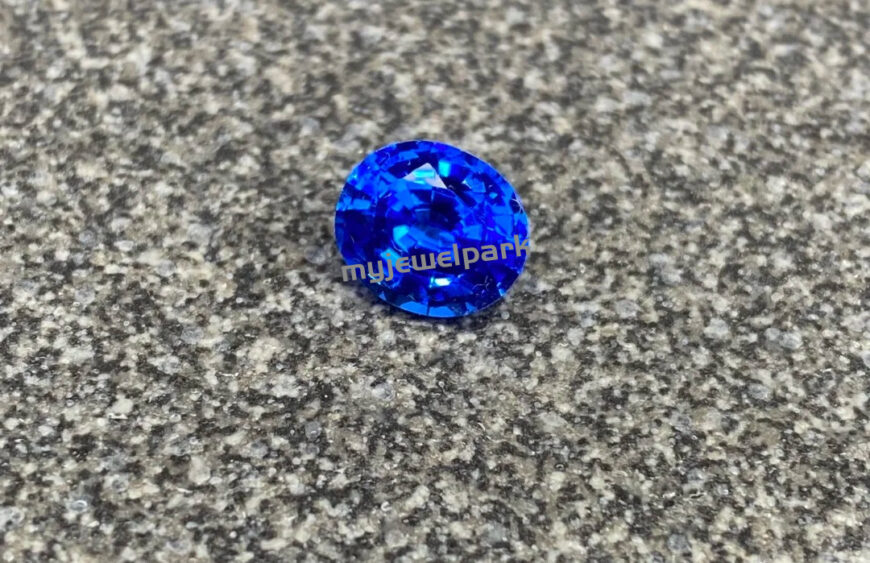
Spinel is a gemstone admired for its range of colors, from vivid reds to delicate blues. One feature that fascinates gem collectors is its potential to glow under ultraviolet light. Fluorescence in spinel occurs because of trace elements such as chromium. Under long-wave UV light, red spinels with high chromium content can emit a bright red or pink glow. Blue and purple varieties are less likely to show a strong reaction, as the presence of iron often suppresses fluorescence.
Consumer Opinions and Online Discussions
On popular gemstone forums, many buyers share mixed experiences with spinel fluorescence. Some describe the effect as striking, particularly in Burmese red spinels that glow intensely in nightclub or testing conditions. Others claim that the glow is weak or absent in their stones, leading to speculation about origin, treatment, or even authenticity. A widely circulated YouTube video by a gem vlogger showed side-by-side comparisons of spinels from different sources. Viewers debated whether the strong glow was a sign of superior quality or just a natural variance with no impact on value. In Reddit threads, some collectors argue that a strong red fluorescence enhances desirability, while others see it as irrelevant to market price.
Expert Insights and Market Data
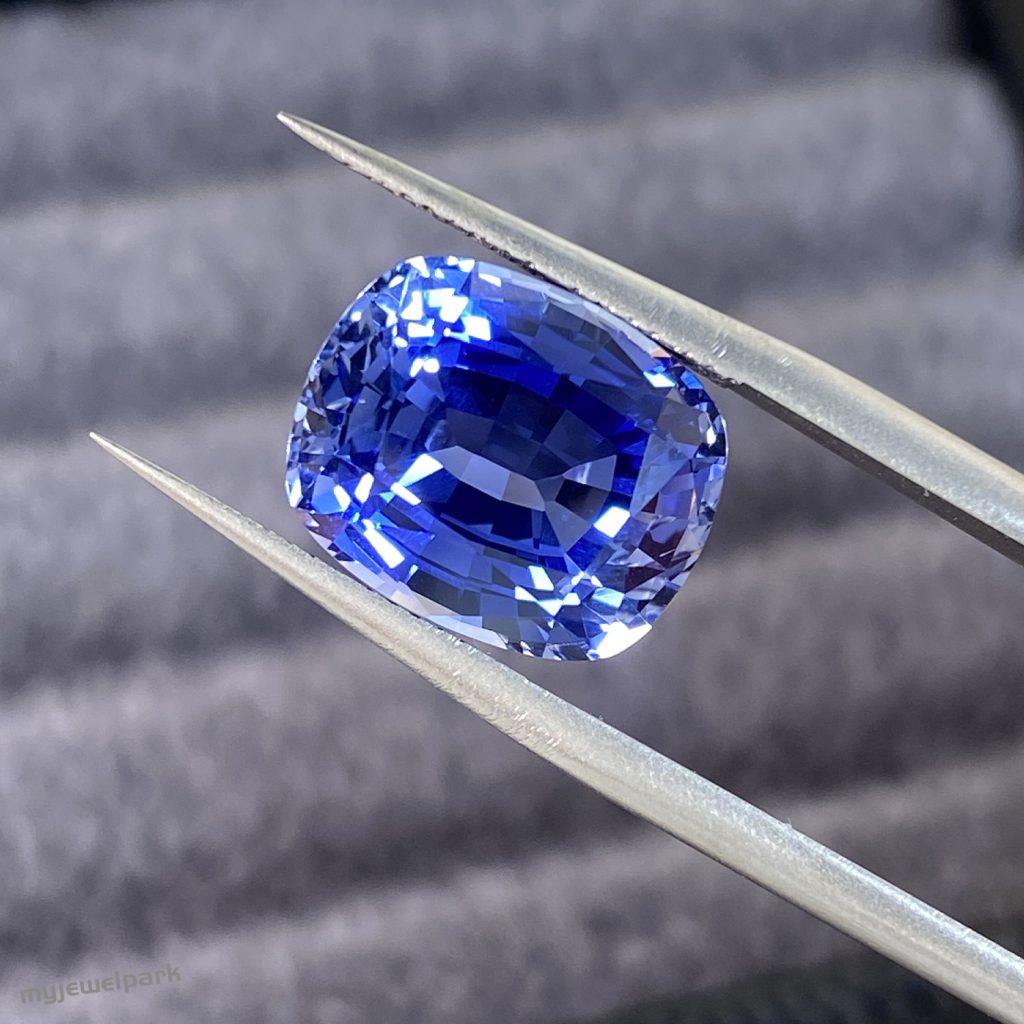
Gemological laboratories confirm that fluorescence in spinel is natural and linked to trace elements rather than treatments. According to the Gemological Institute of America, spinel specimens from Myanmar often show stronger fluorescence than those from Sri Lanka or Vietnam. However, the presence or absence of a glow does not alter classification. A 2023 survey by the American Gem Society found that 47 percent of gemstone enthusiasts were uncertain about whether fluorescence affected durability or value. Interestingly, 32 percent of respondents believed that a glowing effect added a sense of uniqueness, even without measurable price differences.
The Role of Laboratory Cultivation
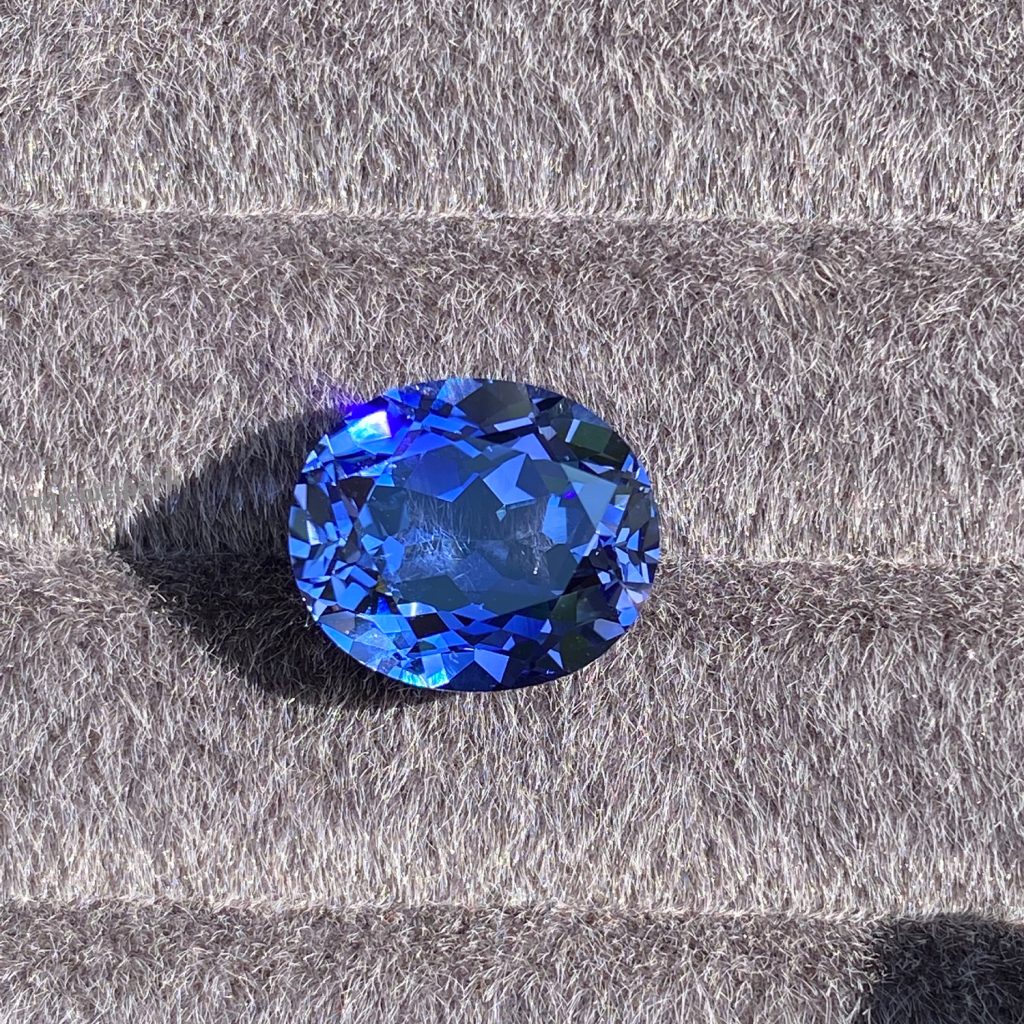
Laboratory grown spinels have become a reliable alternative for those seeking consistency. Using natural seed crystals under controlled conditions, labs can replicate the growth of spinel with predictable levels of fluorescence. Scientists are able to adjust chromium content to encourage brighter UV reactions, while keeping inclusions and internal structures similar to natural specimens. Modern cultivation techniques can even reproduce cream bodies, fine inclusions, and surface-reaching fissures, making lab grown gems nearly indistinguishable to the eye.
A 2024 report by the International Colored Gemstone Association showed that 68 percent of younger buyers expressed interest in lab grown gems if they offered both fluorescence and durability. Many respondents mentioned affordability and environmental considerations as key reasons. For jewelers, the consistency of lab grown stones provides practical benefits, as customers can expect predictable quality without the variability found in mined sources.
A Balance of Nature and Innovation
Spinel can indeed glow under UV light, though the effect varies depending on its chemistry and origin. Natural stones remain prized for their uniqueness, while laboratory grown examples provide a dependable and often more sustainable choice. Whether one values the glow as a symbol of rarity or simply enjoys the visual effect, the charm of spinel lies in its ability to combine scientific intrigue with aesthetic appeal.