What Stones Make Good Engagement Rings
Traditional Choices and Their Appeal
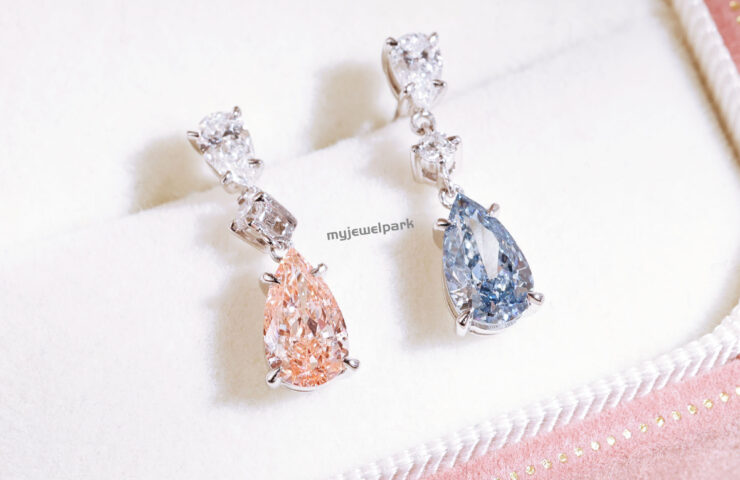
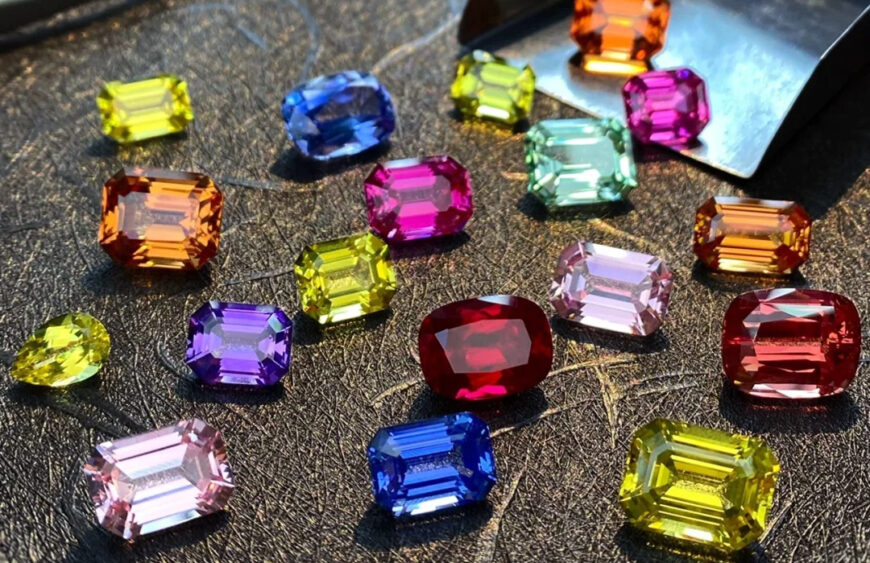
Diamonds remain the most recognized choice for engagement rings, admired for brilliance and durability. Their hardness ensures resistance to scratches, making them well suited for daily wear. However, growing interest in colored stones has expanded the conversation. Sapphires, rubies, and emeralds are frequently selected by couples seeking symbolism and individuality. Historical figures and modern celebrities alike have chosen these stones, keeping their popularity strong across generations.
Consumer Discussions and Differing Opinions
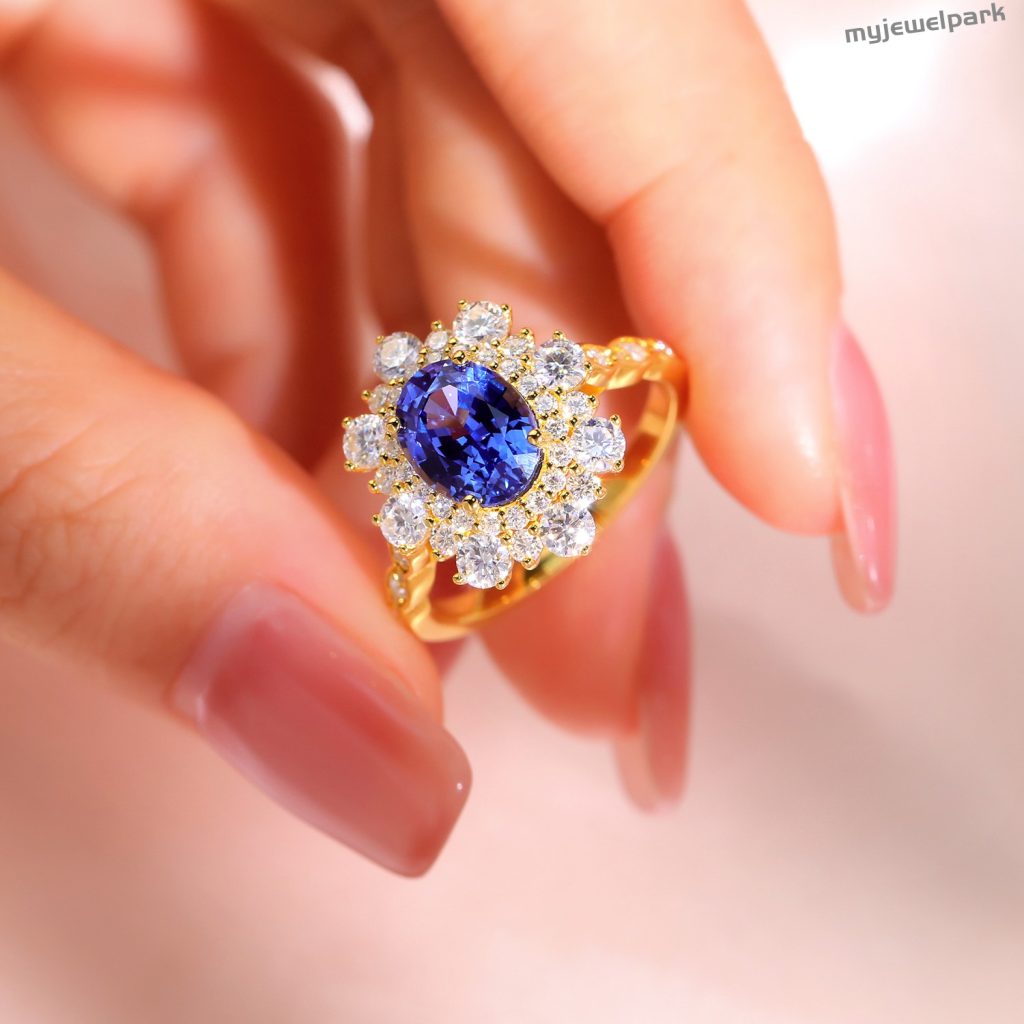
On global jewelry forums, consumers debate which gemstones are practical for long-term wear. Many highlight sapphire as a reliable option, with numerous comments praising its balance of beauty and strength. Ruby also receives support for its hardness and vibrant color, yet some threads raise concerns about durability of emeralds. One widely viewed YouTube video comparing sapphire and emerald engagement rings prompted heated discussion. Viewers argued about whether emeralds can withstand everyday wear, with opinions divided between those who enjoy their deep green hues and those who prefer sturdier alternatives.
Expert Data and Durability Considerations
Research from the Gemological Institute of America confirms that diamond, sapphire, and ruby all rank high on the Mohs hardness scale, which helps them endure daily activities. Emeralds, while softer, are still chosen for their symbolism and distinct appearance. A 2022 survey by the American Gem Society found that 54 percent of respondents considered sapphire a strong alternative to diamond, while 29 percent favored ruby. Only 12 percent supported emerald as an engagement stone, showing that consumer perception of durability has real influence on preference.
The Role of Laboratory Cultivation
Laboratory grown gems are shifting engagement ring traditions by offering affordability and ethical sourcing. Cultivation techniques use natural embryos to grow emeralds and other stones with inclusions, cream bodies, and even surface-reaching cracks. These features give them a realistic appearance while maintaining structural integrity. Jewelers often point out that lab grown sapphires and rubies provide the same chemical and optical properties as their mined counterparts, giving couples confidence in their longevity.

Laboratory cultivation also allows for color control and predictable quality. According to a 2023 report by the International Colored Gemstone Association, 63 percent of millennial and Gen Z buyers said they would consider lab grown stones for engagement rings. Many respondents cited sustainability and the ability to select larger stones at lower prices as reasons for this choice.
Balancing Tradition and Innovation
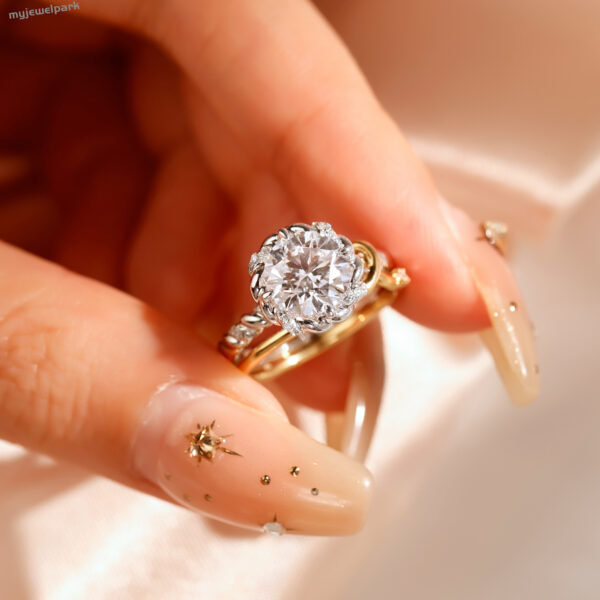
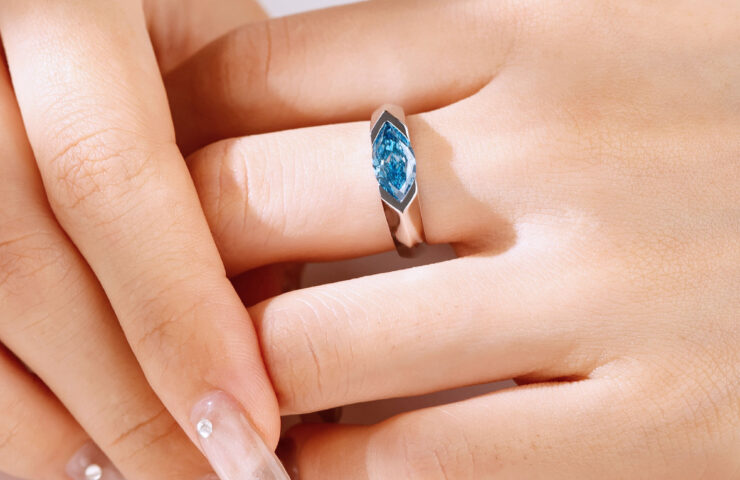
Engagement rings can be set with many different stones, from timeless diamonds to richly colored gems. Natural varieties remain treasured for their rarity and heritage, while laboratory grown options appeal to those who want beauty with added practicality. The decision depends on balancing aesthetics, durability, symbolism, and values. For many couples, the best stone is the one that reflects both love and lifestyle, whether mined from the earth or cultivated in a modern laboratory.