How to Tell a Real Star Sapphire
The Allure of the Star Effect
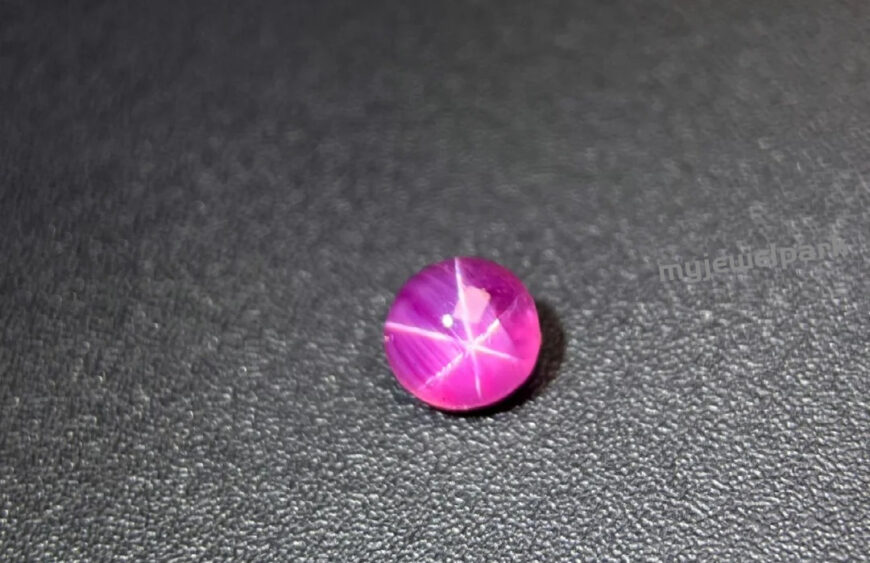
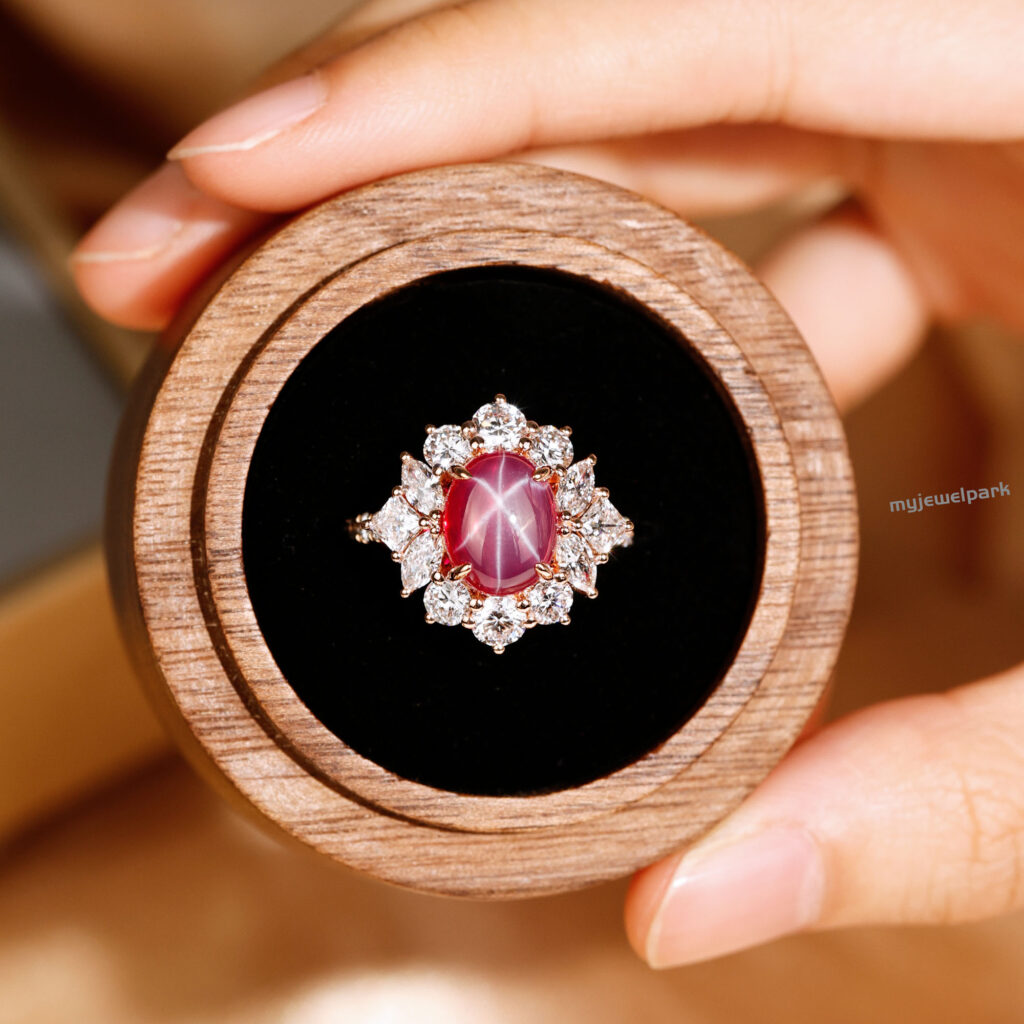
Star sapphires are admired for their unique optical effect called asterism. When light hits the surface, a six-rayed star appears and moves with the stone. The effect is caused by rutile inclusions inside the gem. A genuine star sapphire shows a sharp, centered star that glides smoothly on the dome. In contrast, imitations often have rays that look blurred or uneven.
Public Debate and Buyer Confusion
On jewelry forums, buyers often share mixed experiences about star sapphires. Some complain that synthetic stones are sold as natural. Others note that fake stars sometimes look almost too perfect. A popular YouTube video from a gemstone dealer compared natural and lab-created stones. In the comments, many viewers argued whether visual clues like uneven rays or small inclusions are enough. Others insisted that only a trained gemologist can judge with certainty.
Expert Opinions and Market Realities
Gemologists stress that body color, transparency, and the sharpness of the star are key. Natural stones often have a silky look due to rutile inclusions. Synthetic ones may seem too clear with stars that look unnaturally crisp. A 2023 survey by the American Gem Trade Association found that 41 percent of buyers were unsure if they could tell natural sapphires from treated or lab-made versions. This shows how often people still rely only on online descriptions or seller claims.
The Role of Laboratory Cultivation
Lab-grown sapphires are now common in the market. They are grown under controlled conditions using natural embryos as seed crystals. This process can recreate inclusions, cream bodies, and even surface-reaching fissures. As a result, the stones look very close to mined sapphires. Jewelers say this method allows for more consistency in quality.
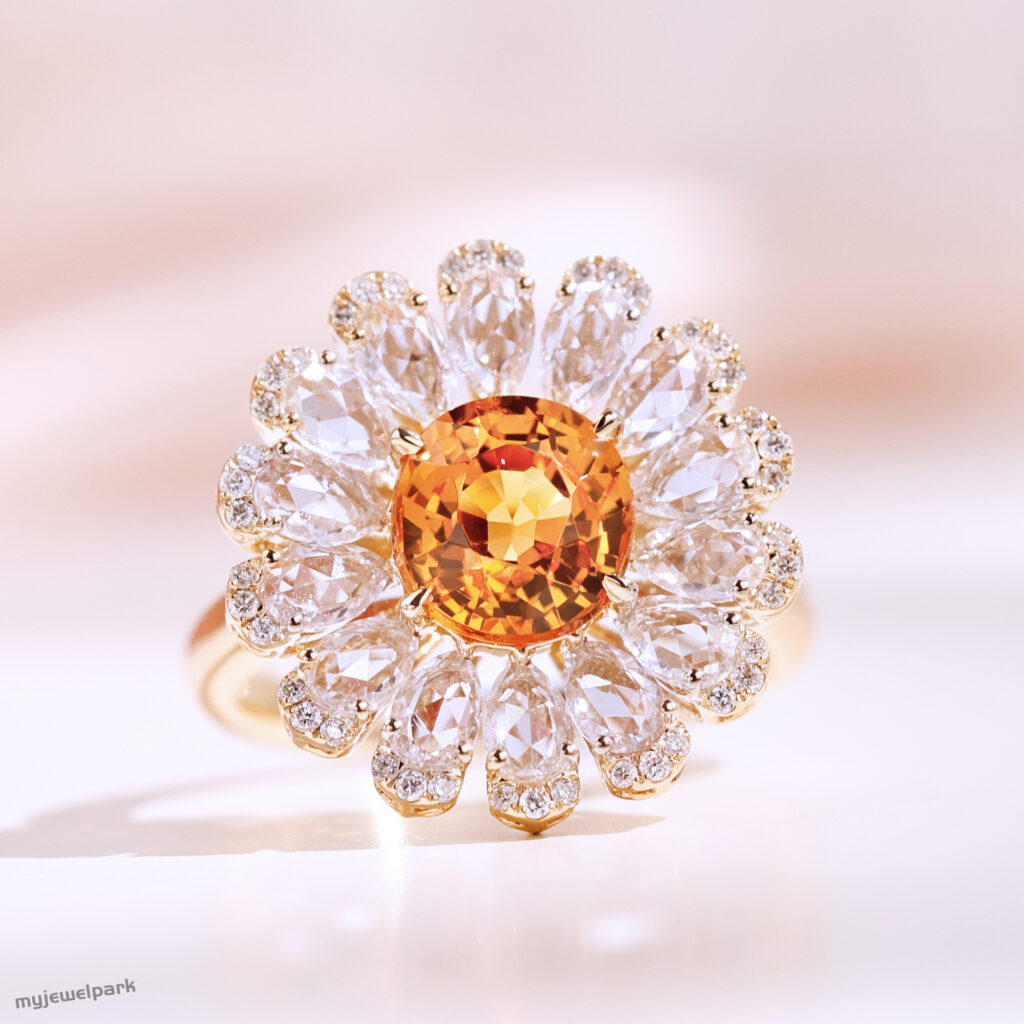
Cultivation also makes it possible to adjust color and improve star sharpness. A 2024 survey by the Gemological Institute of America found that 68 percent of respondents would consider buying a lab-grown star sapphire. Many liked the lower cost, ethical sourcing, and long-term durability.
Balancing Tradition and Innovation
Collectors often prize natural stones for their rarity and heritage. Yet many modern buyers welcome the choice of laboratory stones. They can enjoy the beauty of asterism without the high price or the concerns tied to mining. In practice, telling a real star sapphire apart usually requires professional testing. But whether natural or lab-grown, the star effect continues to fascinate, showing that value is not defined by origin alone.