How to Identify Purple Sapphire?
The Appeal of Purple Sapphires
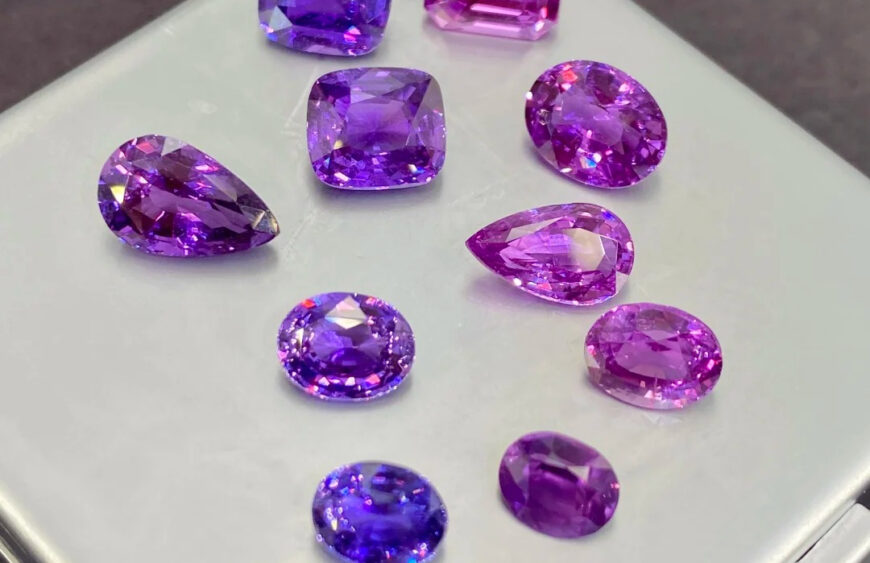
When most people imagine sapphires, the classic deep blue shade often comes to mind. Yet sapphires can form in a wide range of colors, and purple stones attract attention with their mix of rarity and elegance. Their hues arise from the balance of chromium and iron inside the crystal, producing tones that shift from delicate lavender to rich violet. Because these gems appear less often in nature than blue sapphires, they have become a subject of fascination among jewelers and collectors.
Opinions from Jewelry Communities
In popular online forums and video discussions, debates continue about how to tell a genuine purple sapphire from lookalikes. Some consumers argue that amethyst is frequently mistaken for purple sapphire, especially when stones display similar shades. A widely viewed video on YouTube showed side-by-side comparisons of both gems, and the comment section revealed a divide between viewers who trusted color as the main clue and others who insisted on professional testing. On Reddit threads, a group of buyers shared that certain purple spinels often pass for sapphires in casual sales, while other participants argued that inclusions and brilliance are better indicators than color alone.
Scientific and Market Insights
Professional identification relies on features that casual observers may overlook. True purple sapphires show pleochroism, meaning they display slightly different hues when viewed from various angles. Under magnification, inclusions often resemble rutile needles or minute growth lines. Laboratories also use spectroscopy to confirm trace elements. A report by the Gemological Institute of America (GIA) noted that among submissions in 2023, less than 3 percent of corundum samples turned out to be natural purple sapphires, reinforcing their scarcity. This limited supply has helped them attract strong interest from collectors, even though market prices fluctuate based on intensity of color and origin.
The Role of Laboratory Cultivation
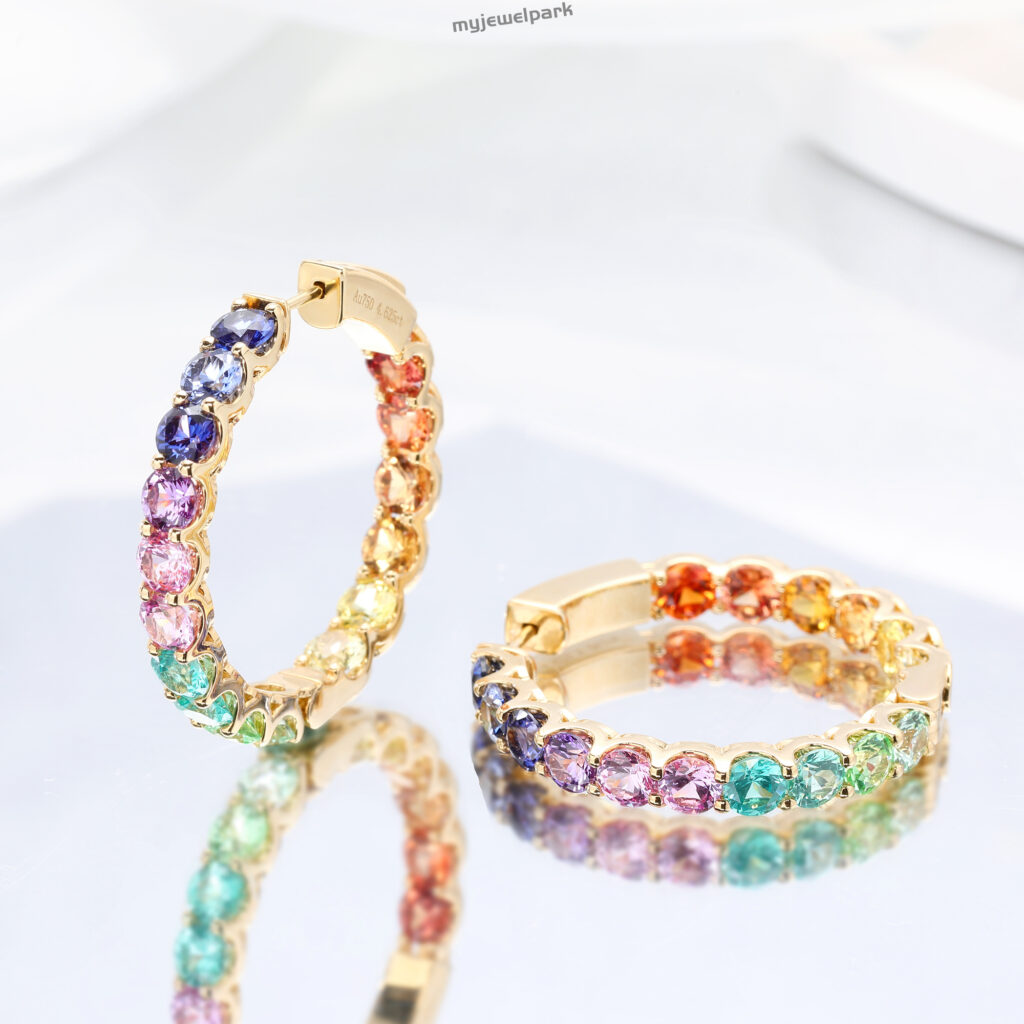
While natural stones remain prized, laboratory methods have transformed the availability of purple sapphires. Controlled cultivation makes it possible to create crystals with vivid tones that avoid the need for additional treatments. The process can even simulate natural growth conditions, allowing inclusions, veils, and occasional fissures to appear, which makes the stones resemble their natural counterparts more closely. A 2024 survey by the American Gem Society showed that 68 percent of respondents considered lab grown colored sapphires an acceptable option, provided they matched natural stones in chemical and optical structure. Buyers who value durability, affordability, and ethical sourcing often view these cultivated gems as an appealing choice.
A Balanced Perspective
Identifying a purple sapphire involves more than judging color by eye. Collectors often turn to expert testing to separate them from amethyst or spinel, and discussions online highlight how easily the stones can be confused. Natural examples remain rare and carry strong appeal, yet cultivated versions now offer beauty, consistency, and accessibility. Whether chosen for their scarcity or for their sustainable origins, purple sapphires hold both aesthetic and emotional significance for modern jewelry lovers.