
What are the Inclusions in Colombian Emeralds?
A Window into the Stone
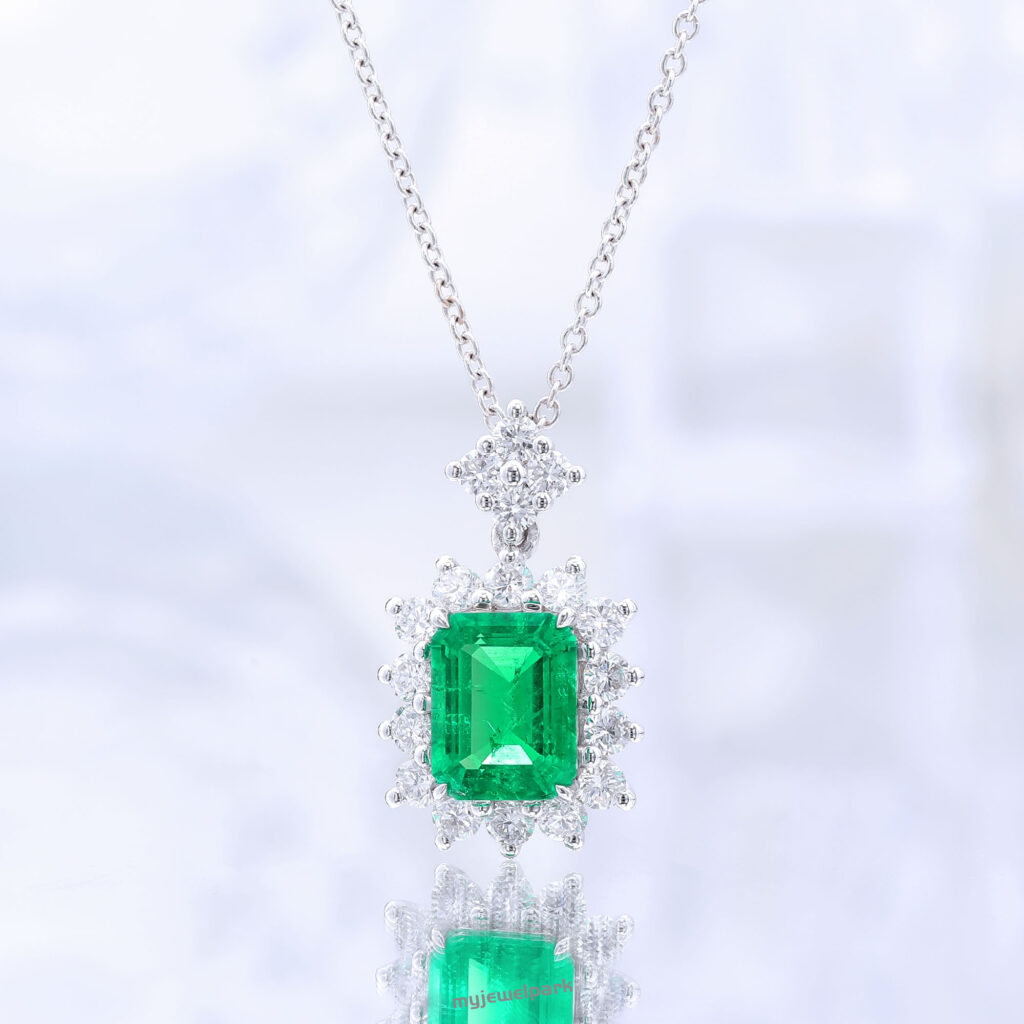
Colombian emeralds are widely admired for their intense green hues, yet what makes them equally fascinating is the world hidden inside. Inclusions, often called “jardin” or garden, are natural features that form as the crystal grows. These inner marks can look like tiny roots, feathers, or wispy clouds. To gemologists, inclusions are not flaws but unique signatures that tell the story of how the stone developed deep within the Earth.
Consumer Opinions and Online Debate
In popular jewelry forums and video comment sections, the value of emerald inclusions sparks lively debate. Some consumers argue that heavy inclusions reduce brilliance and durability, making the stone less desirable for daily wear. Others believe inclusions prove authenticity, since a flawless emerald often raises suspicion of being synthetic. A widely shared video on YouTube compared high-clarity Colombian emeralds with those showing prominent internal features, and viewers were divided over which carried greater beauty. On Reddit, one thread showed collectors defending inclusions as the “soul” of the gem, while skeptics questioned whether buyers should accept stones with obvious internal fractures at premium prices.
Scientific and Market Insights
From a professional perspective, inclusions in Colombian emeralds are distinctive. Gemologists often identify three-phase inclusions, which contain a solid crystal, a liquid, and a gas bubble, all trapped together. These formations are strong indicators of natural origin and often distinguish Colombian emeralds from those mined in other regions. The Gemological Institute of America (GIA) has noted in its reports that these inclusions are among the most reliable clues for origin determination. A 2023 survey by the International Colored Gemstone Association showed that over 70 percent of gem traders viewed moderate inclusions as acceptable, as long as they did not compromise transparency or stability.
The Contribution of Laboratory Cultivation

As demand for emeralds grows, laboratory cultivation has emerged as a way to create stones that mimic natural features. Using natural seed crystals, scientists can reproduce cream bodies, veils, and even surface-reaching fissures, which makes the gems closely resemble mined emeralds. This process offers consistency in color and structure while keeping inclusions at a level that enhances authenticity without weakening the stone. A study by the American Gem Society in 2024 reported that 65 percent of respondents said they would consider purchasing a lab grown emerald if it showed the same optical properties and durability as a natural one. This view reflects a growing openness to cultivated gems, particularly among younger buyers who value sustainability and ethical sourcing.
A Balanced Perspective
Colombian emeralds carry their history inside them, revealed through inclusions that serve as natural fingerprints. For collectors and jewelers, these features can confirm authenticity and origin, while for others they may raise questions about durability or appearance. Advances in cultivation now allow laboratories to recreate these inner landscapes with precision, offering stones that balance beauty, affordability, and responsibility. Whether mined or grown, emeralds remain treasured for the stories they hold within their green depths.