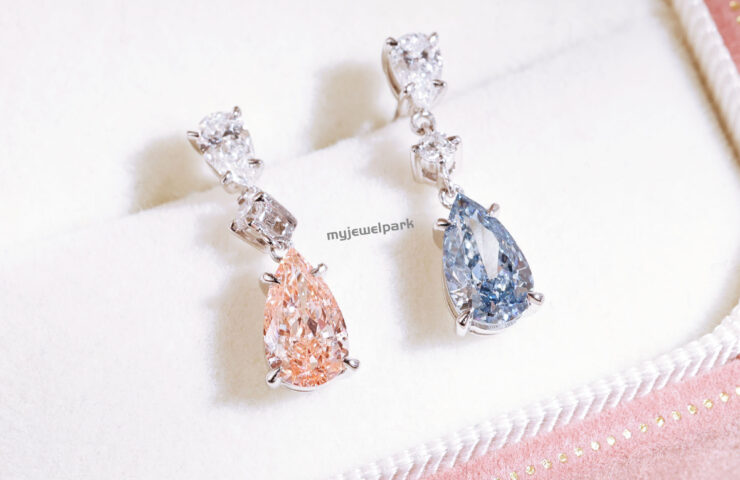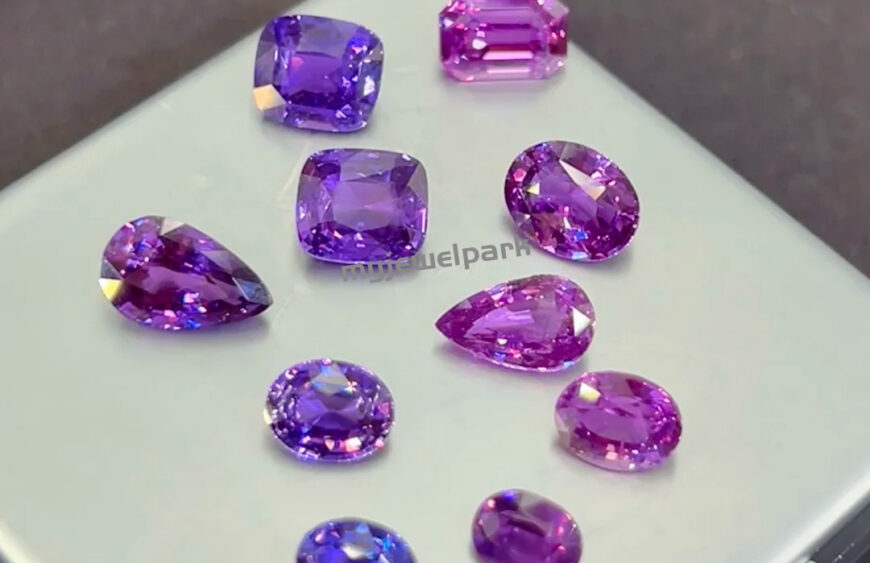
Are purple sapphires rare?
A Gem with a Different Glow
When people picture sapphires, they often imagine a deep, velvety blue stone. Yet sapphires appear in nearly every color, and purple varieties attract attention with their mix of elegance and mystery. Iron and chromium combine within the crystal to produce hues that range from soft lavender to intense violet. Since nature yields fewer purple sapphires than blue ones, collectors approach them with curiosity.
Voices from Online Communities
On popular jewelry forums, opinions about purple sapphires vary widely. Some users post about the thrill of finding one, calling them underrated treasures. Others argue that the idea of rarity is overstated, especially since stones from Sri Lanka and Madagascar show up regularly in trade. A video that gained traction on a gem enthusiast channel compared purple sapphires to amethysts. The comments quickly divided: one group insisted the sapphire’s hardness and brilliance set it apart, while another felt the resemblance weakened its appeal. These kinds of debates highlight how perception often drives value as much as geology.
How the Market Sees Them
In the jewelry trade, rarity does not always translate to high demand. A survey conducted in 2022 by the Gemological Institute of America reported that only 14 percent of respondents viewed purple sapphires as highly desirable compared with other fancy colors. Jewelers often explain that while supply is indeed smaller, buyers still gravitate toward traditional blue. Collectors with an eye for individuality tend to prize purple sapphires, yet many consumers are more influenced by prestige than by rarity itself. This tension has kept prices relatively stable, even as interest in unusual gems grows.
The Role of Laboratory Cultivation
Laboratory technology has changed how people experience colored sapphires. Using natural crystal embryos, scientists can grow sapphires under controlled conditions that replicate geological processes. This method makes it possible to produce vivid purple tones, along with cream bodies, inclusions, and even small cracks that mimic natural growth. The result is a gemstone that is chemically and optically identical to one from the earth.
Beyond appearance, laboratory cultivation brings consistency and accessibility. A 2024 survey by the American Gem Society showed that 67 percent of younger buyers would consider a lab grown sapphire if it had the same properties as a mined stone. The appeal is clear: lower cost, reliable quality, and the reassurance that no environmental disruption came from mining. For many, knowing that beauty and durability can be achieved without compromise adds a different kind of value to the purchase.
A Place of Their Own
Purple sapphires may never rival the fame of their blue counterparts, but they hold a special charm. For some, that charm comes from rarity and the delight of owning something less common. For others, it comes from the balance between beauty and practicality offered by modern cultivation. In both forms, natural or lab grown, purple sapphires remind us that gems are as much about personal connection as they are about geology.