What does emerald protect against?
Historical and Cultural Beliefs
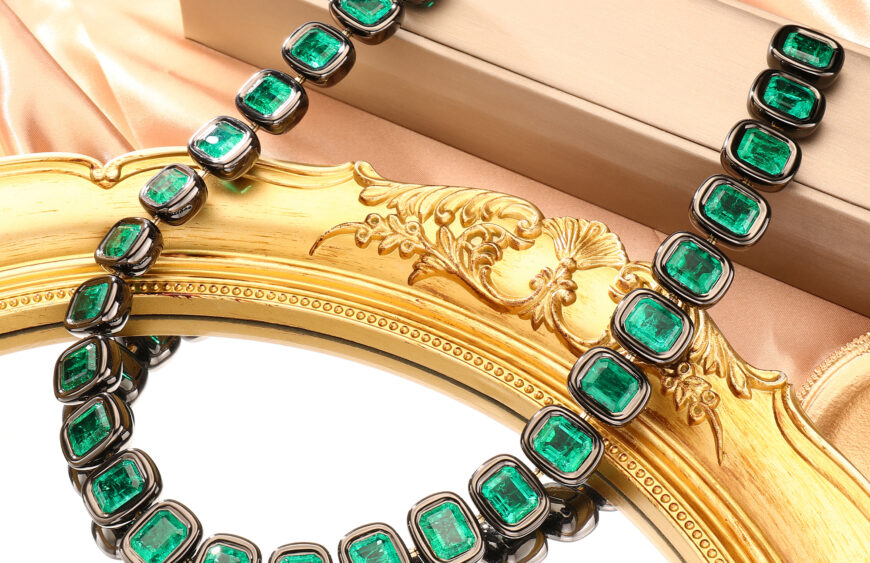
Emerald has carried protective symbolism for thousands of years. In ancient Egypt, it was associated with fertility and safe passage to the afterlife. Roman writers described it as a shield against deception. Medieval physicians even believed it could guard against poison. These traditions helped establish emerald as more than a decorative gem. It was seen as a companion with a purpose.
Modern Interpretations and Online Debates
From a metaphysical perspective, emerald is often described as a stone of protection against negative energy and emotional imbalance. On popular discussion boards, some users claim that wearing emerald reduces stress or wards off envy from others. A widely shared video on YouTube presented emerald as a “heart chakra stone” that guards against toxic relationships. In the comments, viewers debated whether these effects are symbolic, psychological, or rooted in genuine energetic properties. This tension between believers and skeptics highlights how modern consumers interpret the stone.

Practical Considerations for Wearers
Outside of metaphysical claims, jewelers remind buyers that emeralds require careful handling. On professional forums, some owners share concerns about everyday wear, pointing out that emeralds are less durable than diamonds or sapphires due to their inclusions. Others counter this by saying that thoughtful maintenance and protective settings make emerald rings last for decades. A 2023 survey by the American Gem Society showed that 42 percent of gemstone wearers consider emeralds somewhat delicate but still suitable for daily jewelry with proper care. This data suggests that practical protection involves maintenance as much as symbolism.
The Role of Laboratory Cultivation
Laboratory grown emeralds are changing how people view protection and durability. These gems are cultivated using natural beryl seed crystals under controlled conditions. Growth techniques can reproduce cream bodies, inclusions, and even surface-reaching fissures, creating stones that look like high-quality natural emeralds. At the same time, their structure is often more stable, which means they can handle everyday wear better than many mined emeralds.
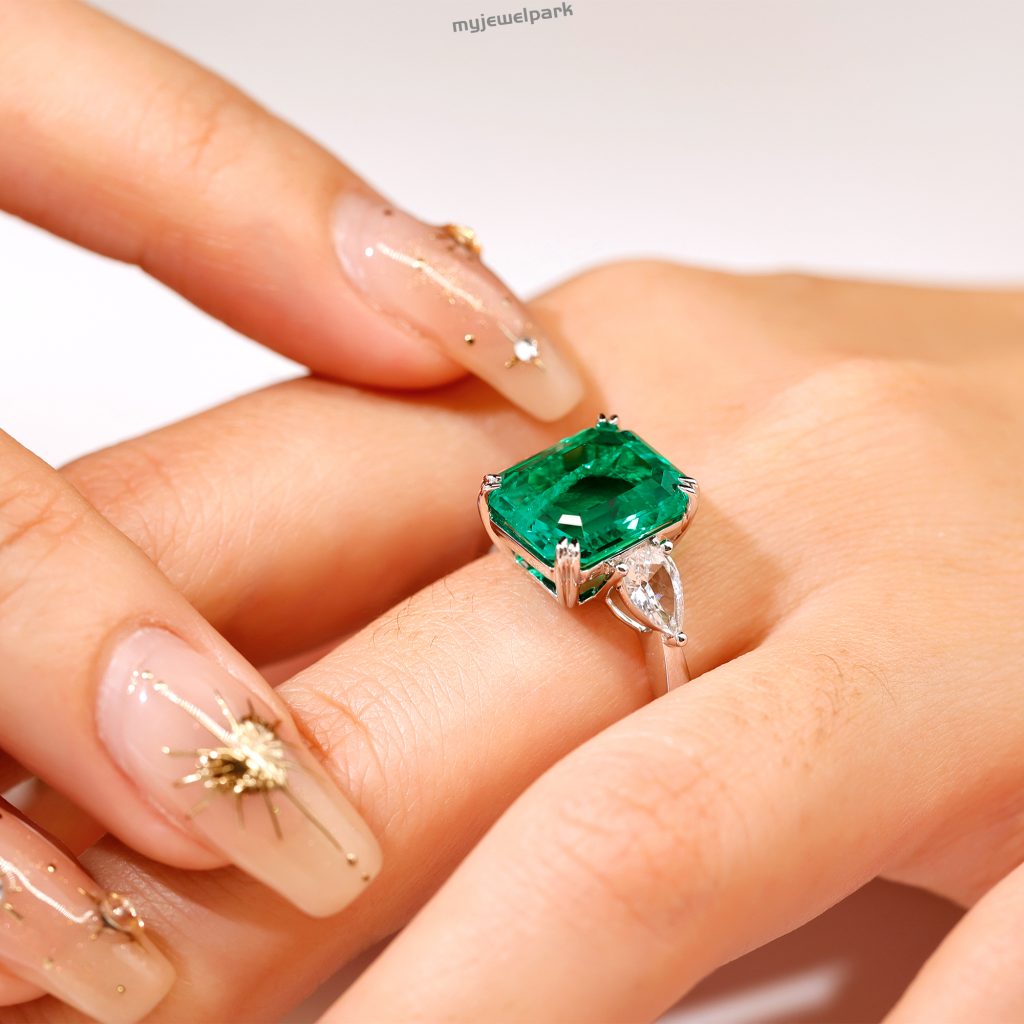
Controlled cultivation also offers environmental and ethical benefits. A 2024 report by the Gemological Institute of America noted that younger buyers increasingly consider lab grown emeralds more responsible choices, with 64 percent citing reduced mining impact as a key reason. For those who value the symbolic protection of emerald, these stones provide both emotional reassurance and practical reliability.
Conclusion
Emerald has long been linked with protection, whether against physical harm, emotional instability, or spiritual threats. Today, opinions range from ancient metaphysical traditions to modern consumer debates about durability. Both natural and laboratory grown emeralds continue to attract wearers who see them as not only beautiful but also meaningful. Whether chosen for heritage, symbolism, or sustainability, emerald remains a stone that carries protective value in diverse ways.