How much do you know about gemstone grading and color determination?
You may have heard of the 4Cs of diamond quality, but the process for grading colored gemstones isn’t as clear-cut. The standards for grading colored gemstones aren’t as clear-cut, so while they’re still classified using the 4Cs of diamond quality, color will be the primary consideration in determining the quality of the gemstone.
There are many different colors of gemstones, and each color has its own set of standards that affect its grade. Learn about the grading standards with this guide.
Diamonds and Colored Stones
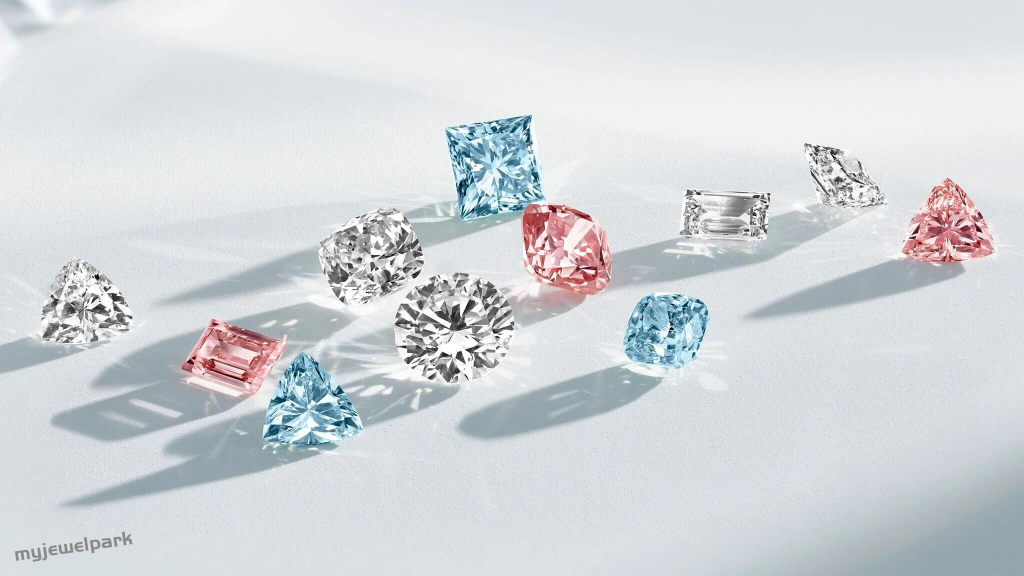
All stones that aren’t diamonds fall into the colored stones category:
Diamond
Emerald
Amethyst
Ruby
Sapphire
Garnet
Aquamarine
Onyx
Pearl
Opal
Turquoise
Jade
Lapis lazuli
Topaz
Color
In some sense, color is a subjective method of classifying a colored gemstone. After all, the way you see a royal blue stone may differ from the way someone else sees it. While colors like this used to be used to describe colored gemstones, the jewelry industry has worked to create descriptions for colored stones, which include hue, tone and saturation.
Colorless
Black
Gray
Brown
yellowish Brown
orangey Brown
greenish Brown
pinkish Orange
Orange-Pink
orangey Pink
slightly orangey Pink
Pink
purplish Pink
Pink-Purple
pinkish Purple
Purple
reddish Purple
Purple-Red
strongly purplish Red
slightly purplish Red
Red
orangey Red
Red-Orange
reddish Orange
Orange
yellowish Orange
Orange-Yellow
orangey Yellow
Yellow
greenish Yellow
Yellow-Green
strongly yellowish Green
yellowish Green
slightly yellowish green
Green
very slightly bluish-green
bluish Green
very strongly bluish-green
Blue-Green
very strongly greenish Blue
greenish Blue
very slightly greenish Blue
Blue
violetish Blue
bluish Violet
Violet
violetish Purple
Keep in mind that the GIA does not use all of those listed above, so you may encounter some jewelry grading experts who use others or avoid some of those listed above. However, in an effort to create a universal system, these are the hues that are typically used on the color scale and include colorless diamonds and other stones without a noticeable hue.
Tone
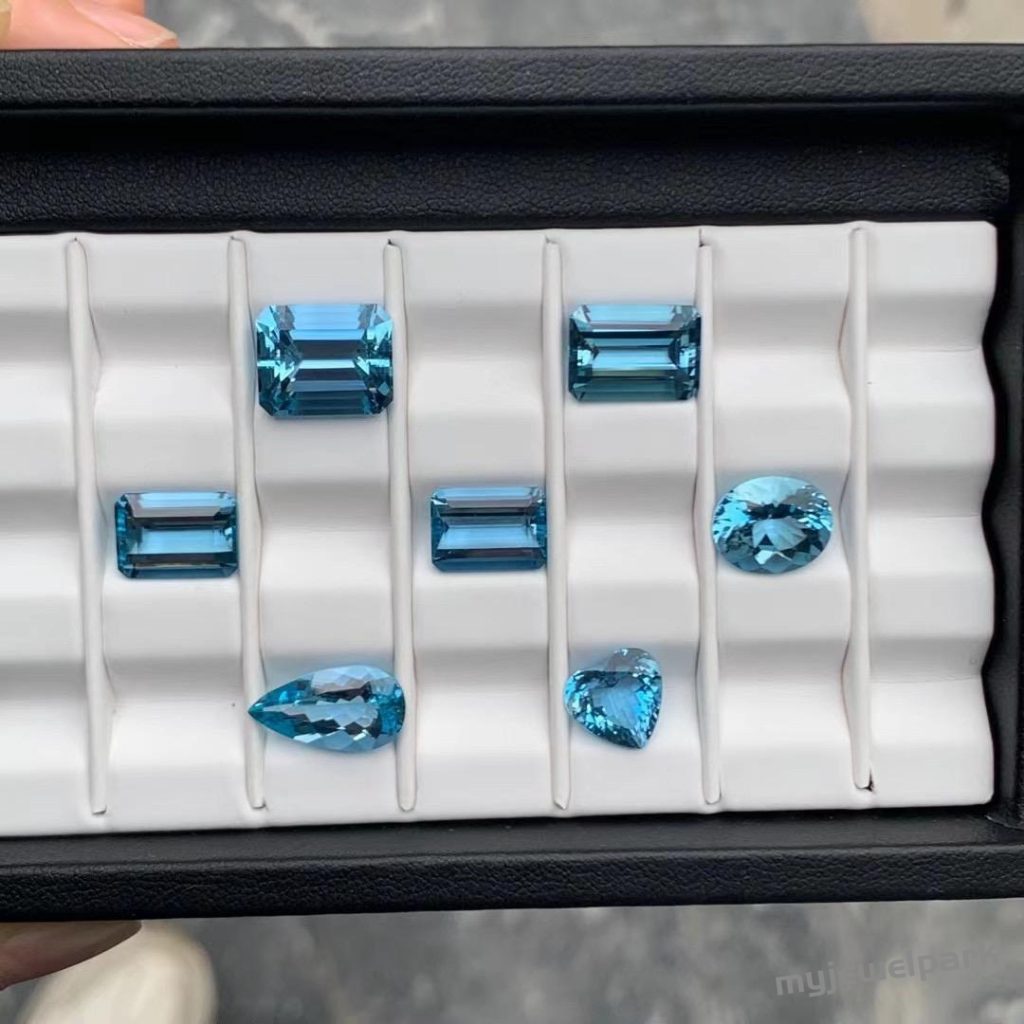
When it comes to the color grades for tone, you will see numbers from 2 to 8. This describes how light or dark a stone is. The preferred tone is different for different stones (sapphire versus emerald), for example, but medium to medium-dark is usually what people are looking for. A stone that is too light will appear pale, while a stone that is too dark may make it difficult to detect its hue. The color grading scale for tone is as follows:
0 – colorless / white
2 – very light
3 – light
4 – medium light
5 – medium
6 – medium dark
7 – dark
8 – very dark
9-10 – black
Saturation
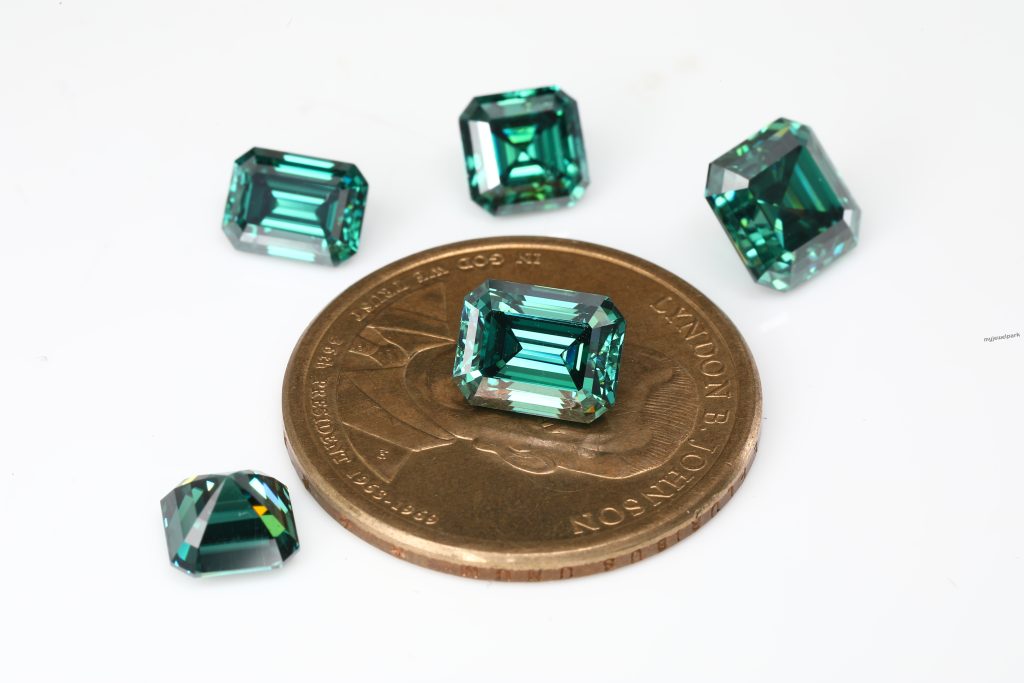
The saturation of a colored stone refers to how intense its color is. It’s one of the key factors when considering the value of a stone. The colors have saturation modifiers, which can change its pure color one way or the other. For blue, green and violet stones, the modifier is gray. For stones that are red, yellow or orange, the modifier is brown. Therefore, a stone with poor saturation, would have gray or brown listed as part of its hue grade. Grayish-violet, for example. Higher saturation levels are more desirable and increase the value of a stone.
Colorless diamonds are classified as being colorless on one end of the spectrum, all the way to light yellow or brown on the other end. Diamonds that fall outside the normal colors associated with the stone are called fancy color diamonds and come in hues like pink, red, yellow, orange, green, blue, and purple. The are called “fancy” followed by the color hue they feature. That includes many colored diamonds, among them black diamonds and those with a brown color.
This is the end of my sharing. If you want to know more about this, please continue to follow me.