How much do you know about gemstone grading and color determination?
Clarity
A perfect diamond has no inclusions and no visible blemishes under 10x magnification. Unlike diamonds, if a colored gemstone appears to have no inclusions, it is likely a synthetic gemstone. Although the value of a diamond increases when it has fewer or no inclusions. A colored gemstone is considered to have a high clarity grade if it is eye-clean with no obvious visible inclusions.
When a jeweler assesses the clarity of a colored gem, they take into account a couple of factors. That includes the size, location and number of inclusions, as well as how visible they are when looking at the stone. Natural inclusions, including both visible and internal inclusions, occur often and can affect the durability of a jewel. There are several common types of visible inclusions, which you can read more about below.
Cavities – holes that appear on the surface of the stone and move inward.
Color zoning – bands or areas of alternating colors on the stone.
Fingerprint inclusions – liquid filled tubes inside the stone that look like fingerprints.
Halo fractures – also called discord fractures, these circular or oval-shaped blemishes resemble fried eggs.
Included crystals – minerals inside the gemstone that can appear transparent, light, dark or opaque.
Liquid inclusions – spaces inside the gem that are filled with liquid.
Silk – often seen in rubies and sapphires, this refers to fine needle-like structures that may actually add value to the stone because it adds to the brilliance.
To grade clarity type, the Gem Guide System is often used, which is sometimes combined with the GIA clarity grading scale. Options are as follows:
Eye Clean = ~ equivalent to Flawless grades for diamond
Slightly Included = ~ equivalent to VVS/VS
Moderately Included = ~ equivalent to SI
Heavily Included = ~ equivalent to Imperfect, level 1
Severely Included = ~ equivalent to Imperfect, level 2 & 3
Cut
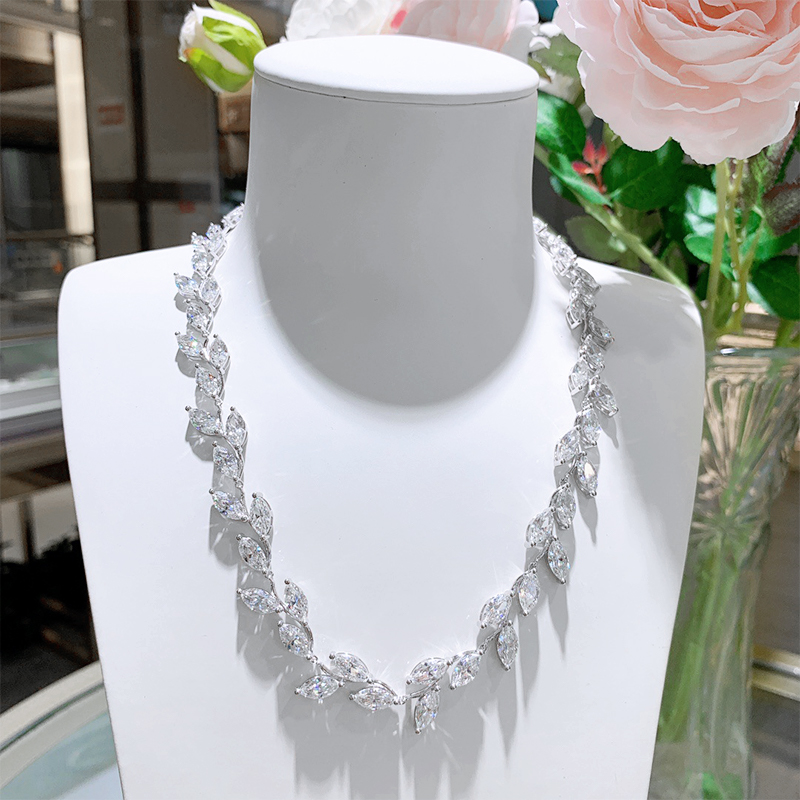
The word “cut” refers to the faceting, shape or style of a gemstone. This is the part that turns it into jewelry. Examples include a diamond engagement ring, an item with a colored accent stone, or anything that becomes a shiny ornament. It also refers to the symmetry, proportions or finish of a gemstone. The lighting environment can affect the appearance of a cut.
Diamonds tend to have highly visible properties that contribute to their brightness and dispersion. This enhances their appearance, and therefore their value. For colored jewelry, the goal is to use a cut that shows the best color, rather than following the same strict standards as for brilliant diamonds. In fact, so-called colored rough can be more valuable, and colored gemstones are often cut imprecisely. Gem cutters use the following guidelines when cutting colored gemstones.
Colored gemstones are often cut to enhance the most attractive colors. Because their colors often change depending on the angle they are viewed, the most desirable colors are cut to appear at the top of the gem.
The goal is to maximize the final weight of the gemstone. This is affected by the shape and growth form of the gemstone.
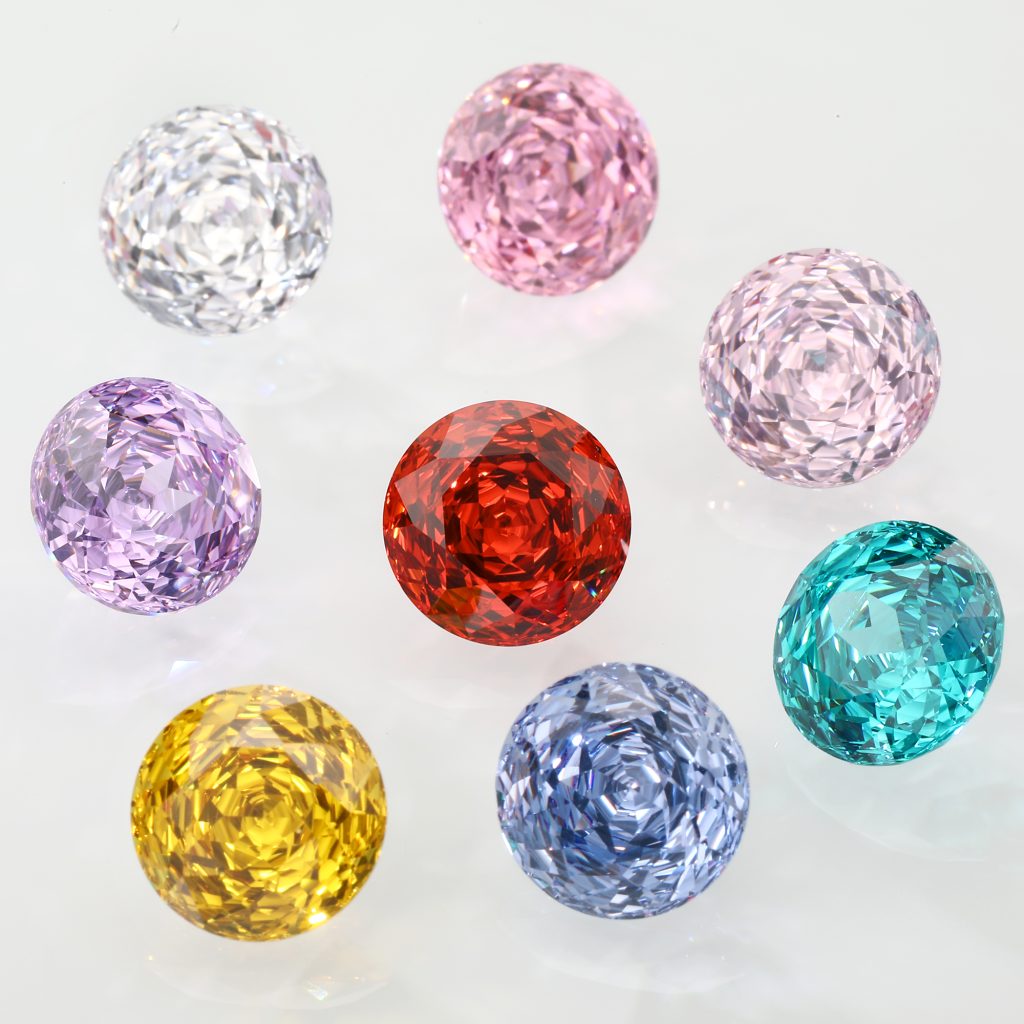
Cut Grade
8-10: Excellent
6-8: Very Good
4-6: Good
2-4: Fair
1-2: Poor
Brilliance Grade
Brilliance can also be thought of as the light return. Keep in mind that, unlike the diamond grading scale, colored stones are rarely classified as being excellent. Here is the scale that is usually used:
Excellent = 75% +
Very Good = 60 – 75%
Good = 40 – 60 %
Fair = 25 – 40%
Poor = = 25%
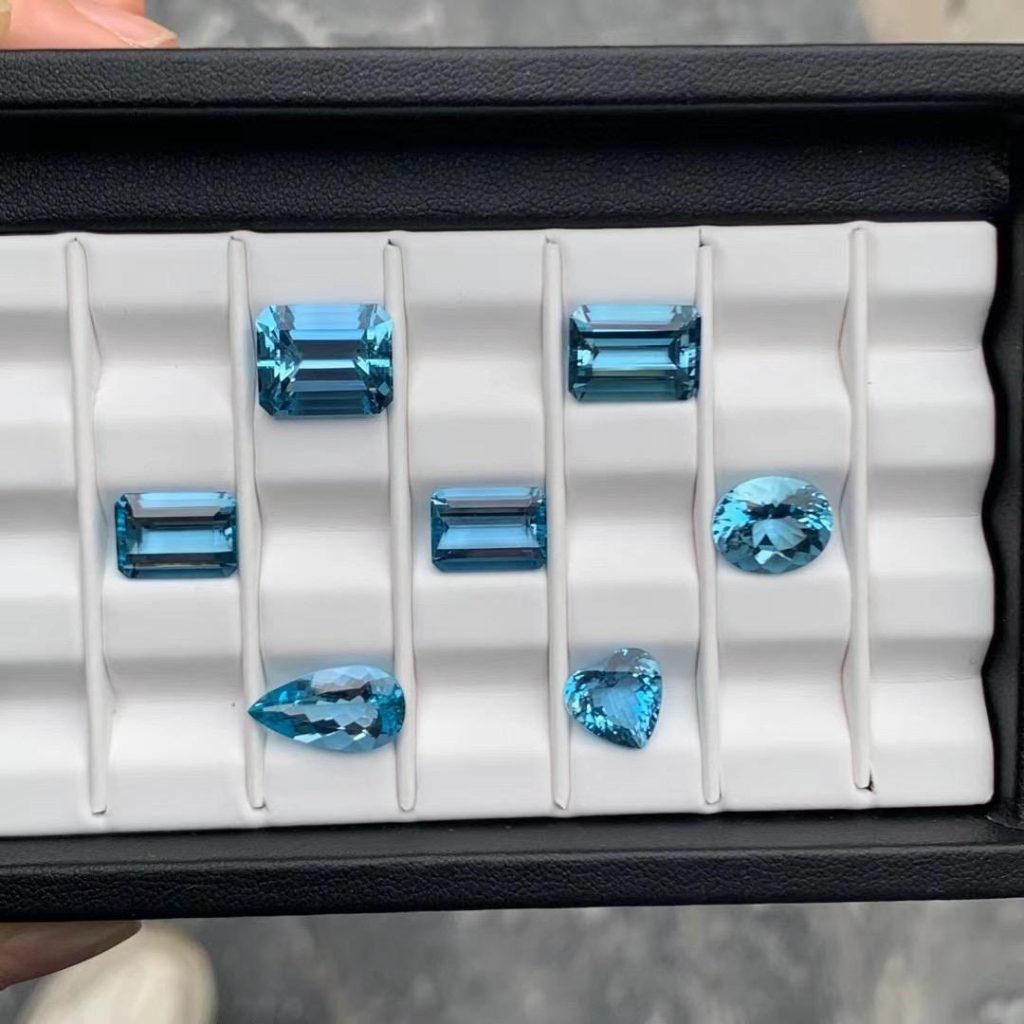
Proportion Grade
This category has two sub-grades, frontal proportion and profile proportion. Frontal proportion includes symmetry defects and frontal attractiveness defects. It also assesses proportion using the following scale:
Excellent — minute variations from ideal
Very Good – minor
Good – noticeable
Fair – obvious
Poor – prominent
Profile proportions take into account the following elements of a stone:
Symmetry
Bulge
Table size
Girdle thickness
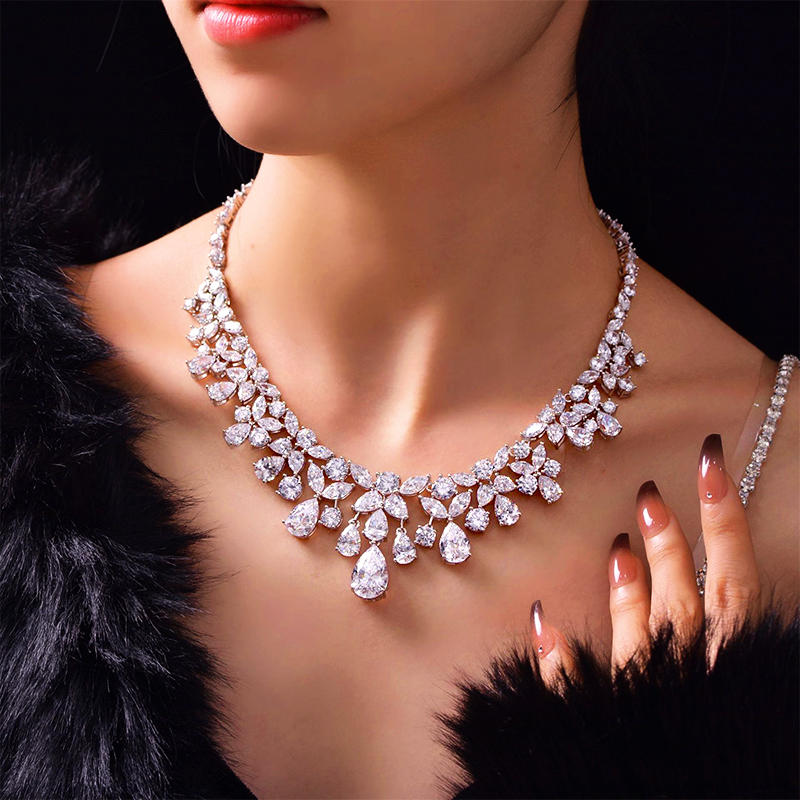
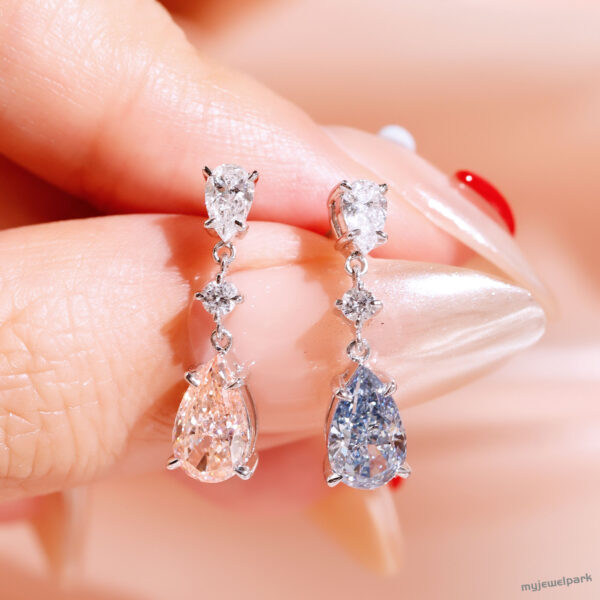
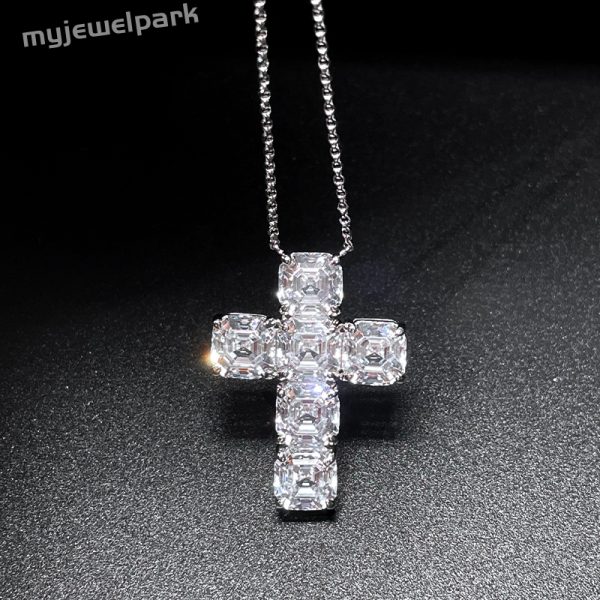
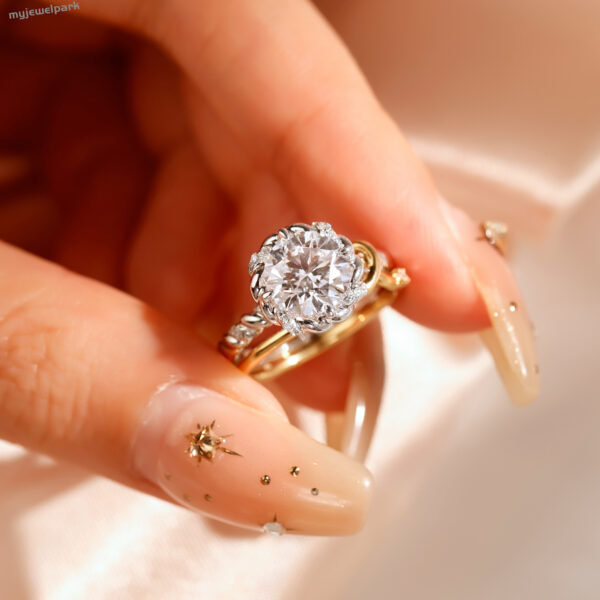
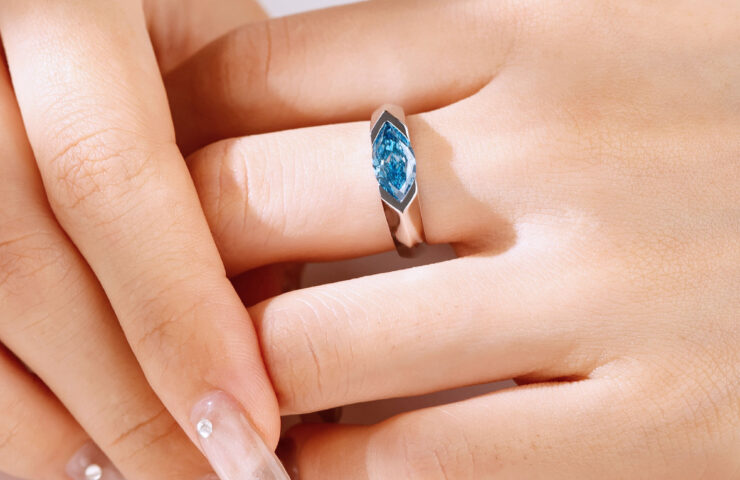
We invite you to browse our extensive jewelry collection at myjewelpark. We are proud to offer a wide variety of styles, diamond shapes and setting options to suit all price ranges.