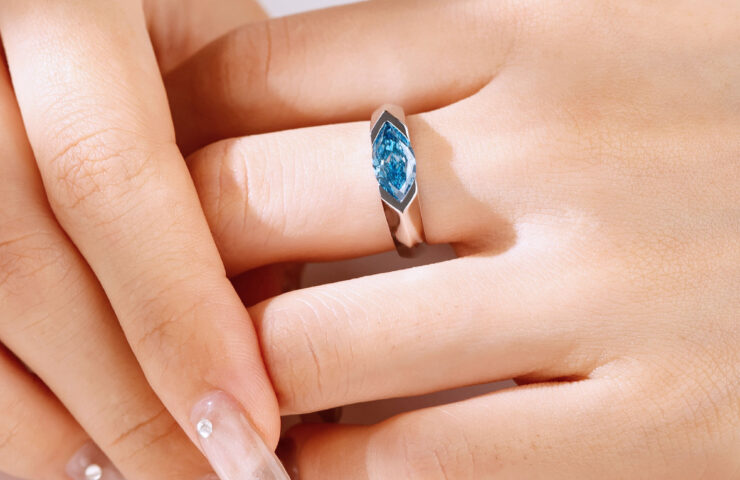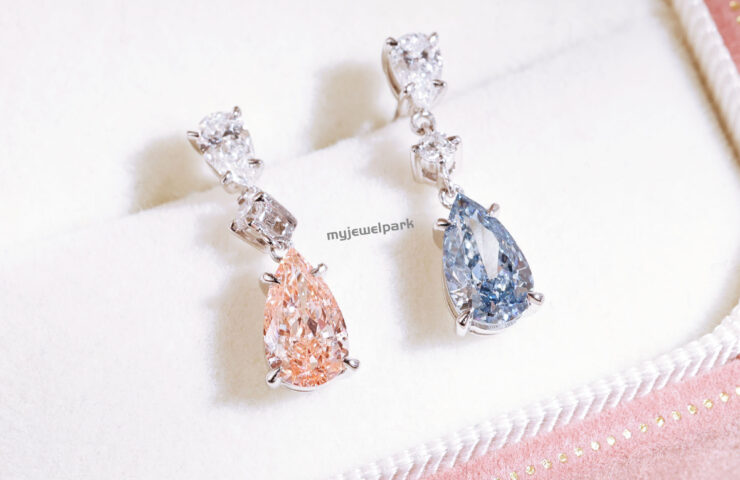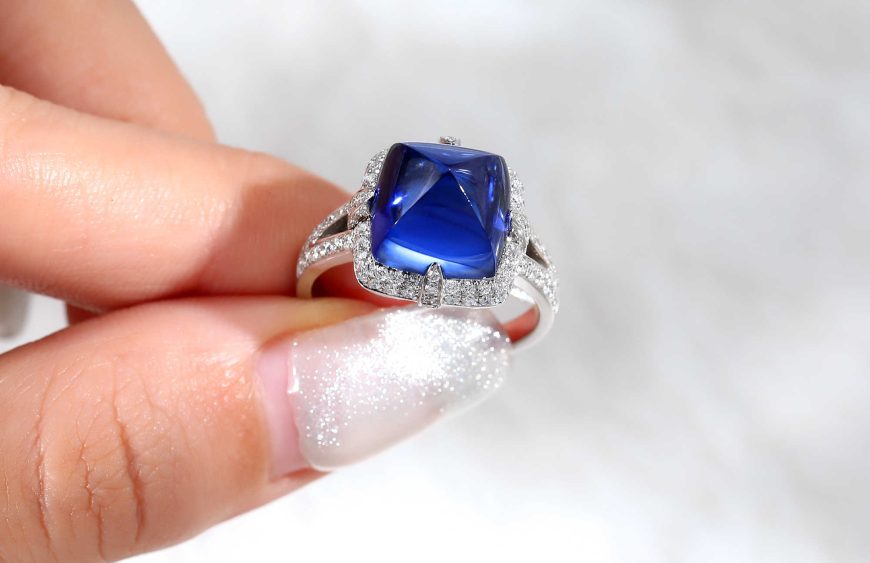
Some people have tried to synthesize many gemstones that are not common synthetic products. But the fact is that there are still gemstone varieties that cannot be synthesized objectively, or no one is willing to synthesize subjectively, or there are no synthetic products on the market for the time being. The reasons include:
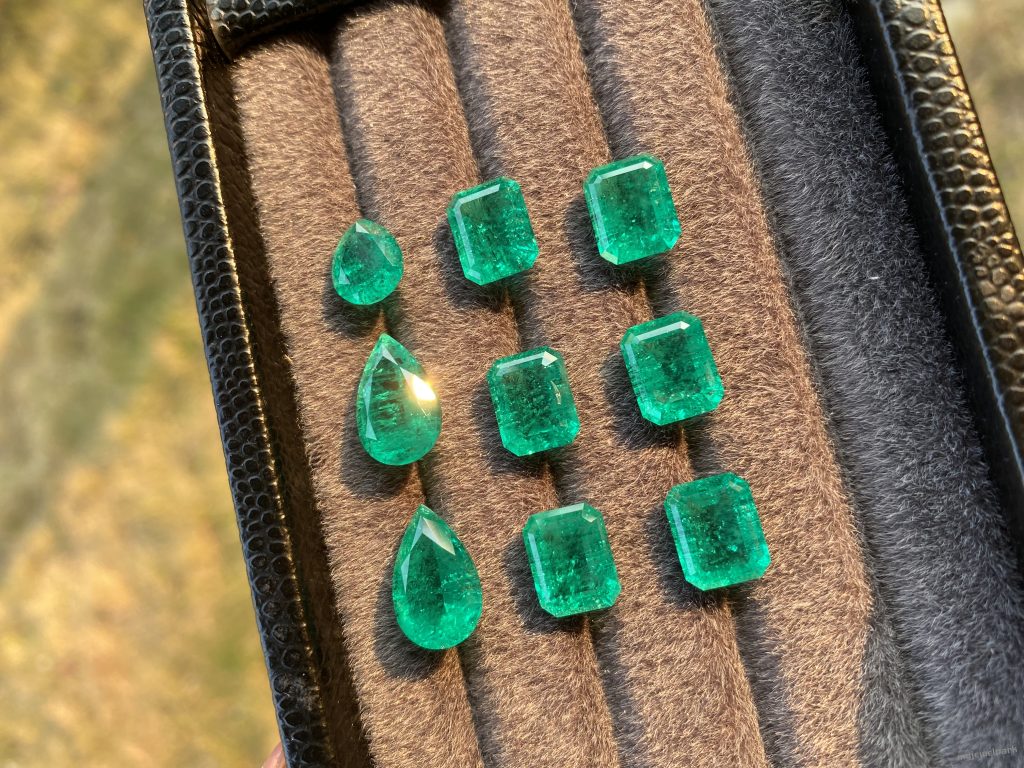
1. The cost of synthesizing gem-grade crystals or aggregates is higher than that of natural minerals or jade, so it is not worth synthesizing or cannot be mass-produced as jewelry raw materials. (such as tanzanite, pyrope, almandine, andalusite, kyanite, sillimanite, calcite, scapolite, sodalite, fluorite, pyrite, diopside, peridot, Topaz, calcite, labradorite, moonstone, orthoclase, malachite, azurite, cordierite, agate, stilbite, apophyllite, apatite, tremolite, and halite; gem-grade synthetic diamonds larger than 1 carat in the 20th century also fall into this category)
2. The gem composition is complex and uncontrollable (for example, tourmaline, aluminum boron zirconite, ferromagnetite, fushanite, and sugilite)
3. It is difficult to form large-sized single crystals under existing instrument conditions (for example, rhodochrosite, apatite, and tourmaline, although it can be Synthesized at low cost, but can only synthesize microcrystalline powder or polycrystalline aggregates)
4. The characteristics of artificial synthetic products are too different from natural gemstones, and the aesthetics and durability are poor (for example, synthetic jade will react with water and crack)
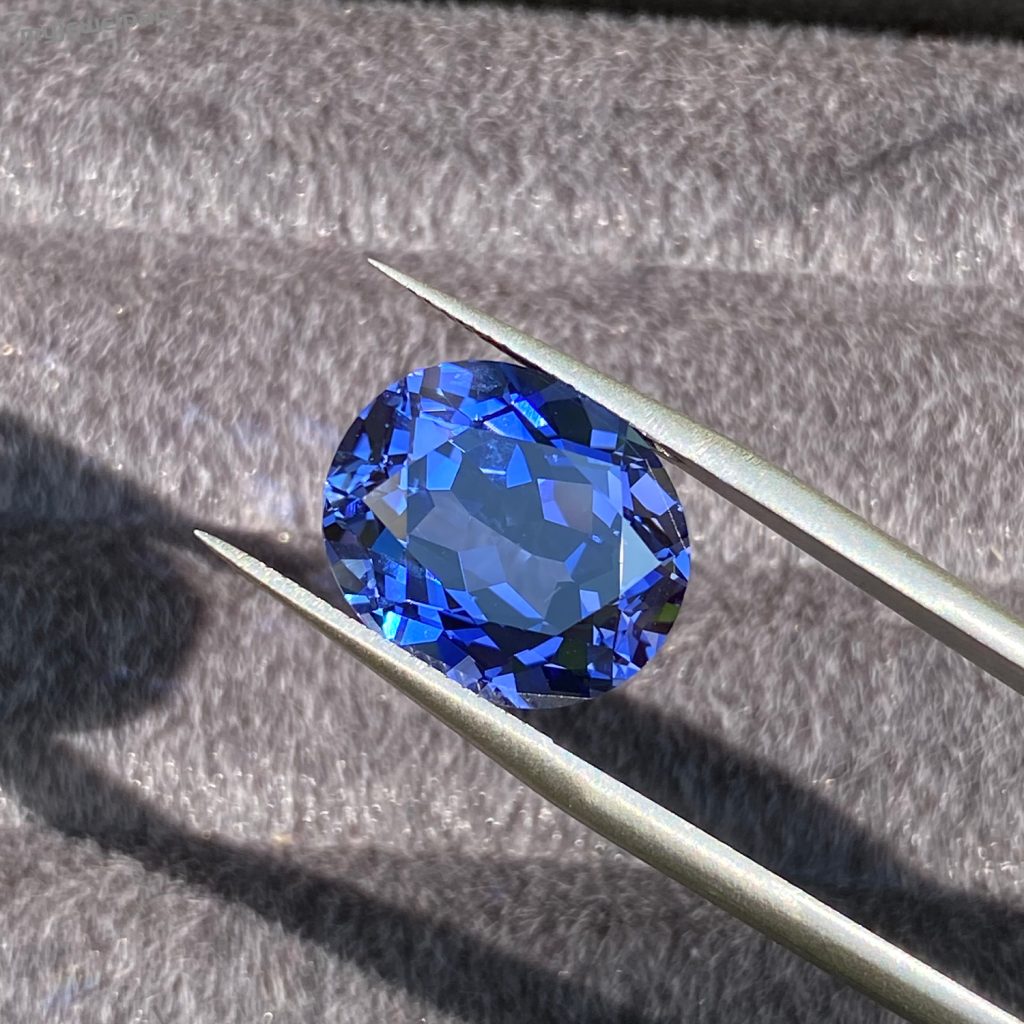
5. Some gemstone varieties are niche in themselves and have limited markets (for example, andalusite, kyanite, sillimanite, calcite, scapolite, sodalite, pyrite, zeolite, apophyllite, amphibole, cassiterite, scheelite, cypermethrin, spodumene, rhodonite, (boraxite, chrysocolla, axenite, blue shale, perspective stone, cerussite, red phosphorus manganese beryllite, boraxite, monazite, blue iron ore, blue cone ore, phosphate aluminum lithium stone, leucite, titanite, right grass red ornament stone, willemite, Afghan cancrinite, jet, hematite, gypsum)
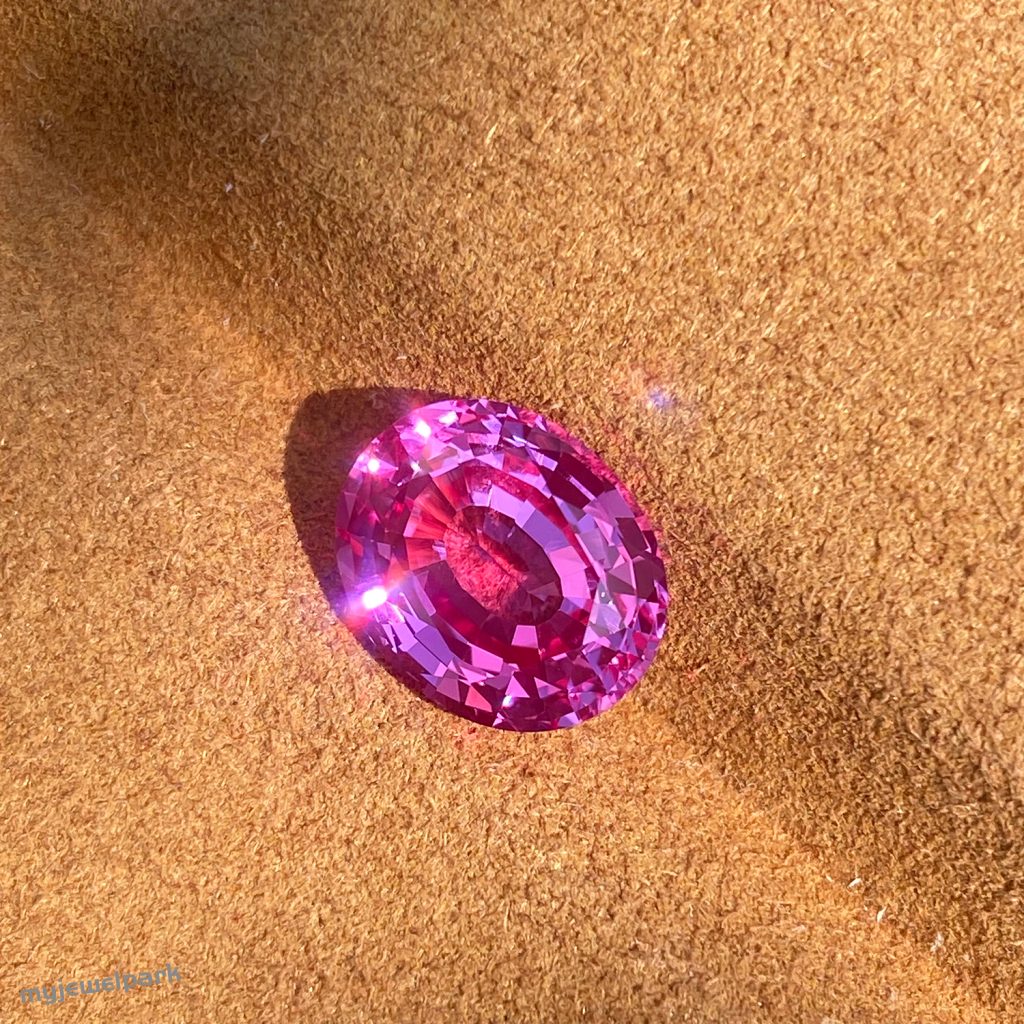
The synthetic gemstones that can be mass-produced are mainly diamonds, rubies, sapphires, emeralds, aquamarine, chrysoberyl, crystals, spinels, green garnets (and artificial yttrium aluminum garnets), and opals.
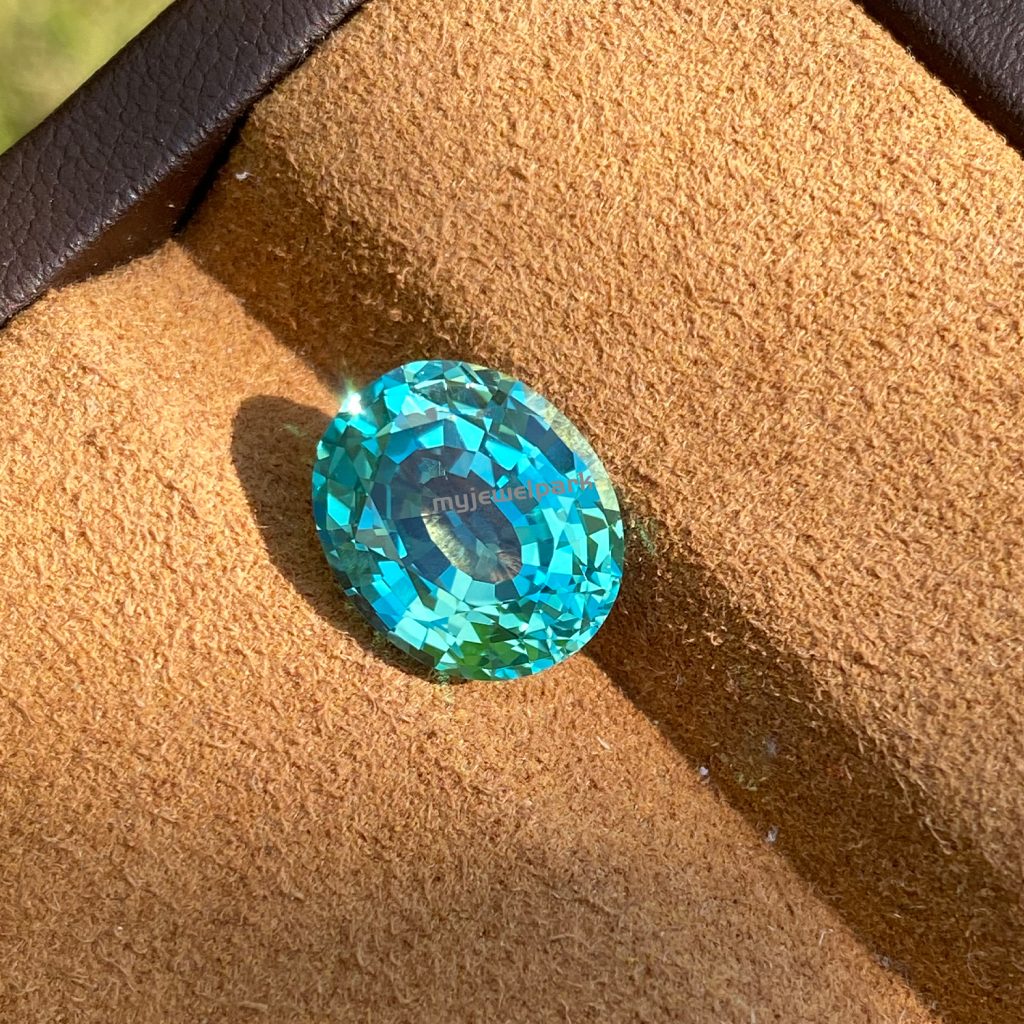
In addition, turquoise, coral, amber, animal teeth and horns, lapis lazuli, tourmaline, Hetian jade, jadeite, diamonds, tanzanite, opals, spinels, and garnets have imitations that are different from the natural composition and microstructure.
Glass is the most common gemstone imitation, and its advantage is low cost. It should be noted that even if a substance with the same composition as a natural gemstone is melted or dissolved in a solution, if there is not enough time, space, temperature and pressure conditions for cooling and crystallization, the desired gemstone cannot be obtained, but glass or a mixed crystal phase different from the synthetic target can be obtained.