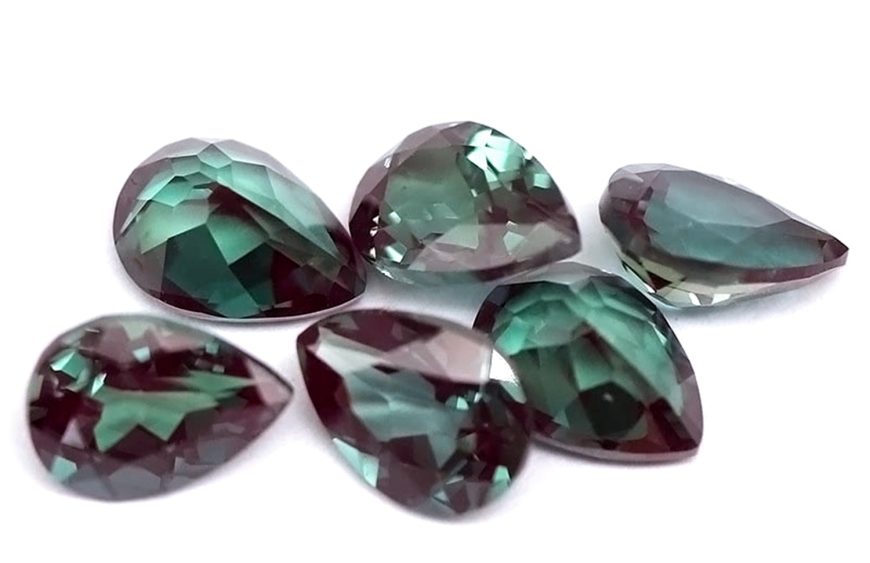
Alexandrite, known for its unique color change, presents different colors under different light sources. The emergence of lab grown alexandrite has aroused the curiosity of many consumers about its value.
Difference between laboratory-grown and natural gemstones
Laboratory-grown alexandrite is roughly the same in composition and appearance as natural stones. Many consumers tend to have a soft spot for natural stones when looking for unique and rare gemstones, so the value of laboratory-grown stones is often questioned.
Value Assessment
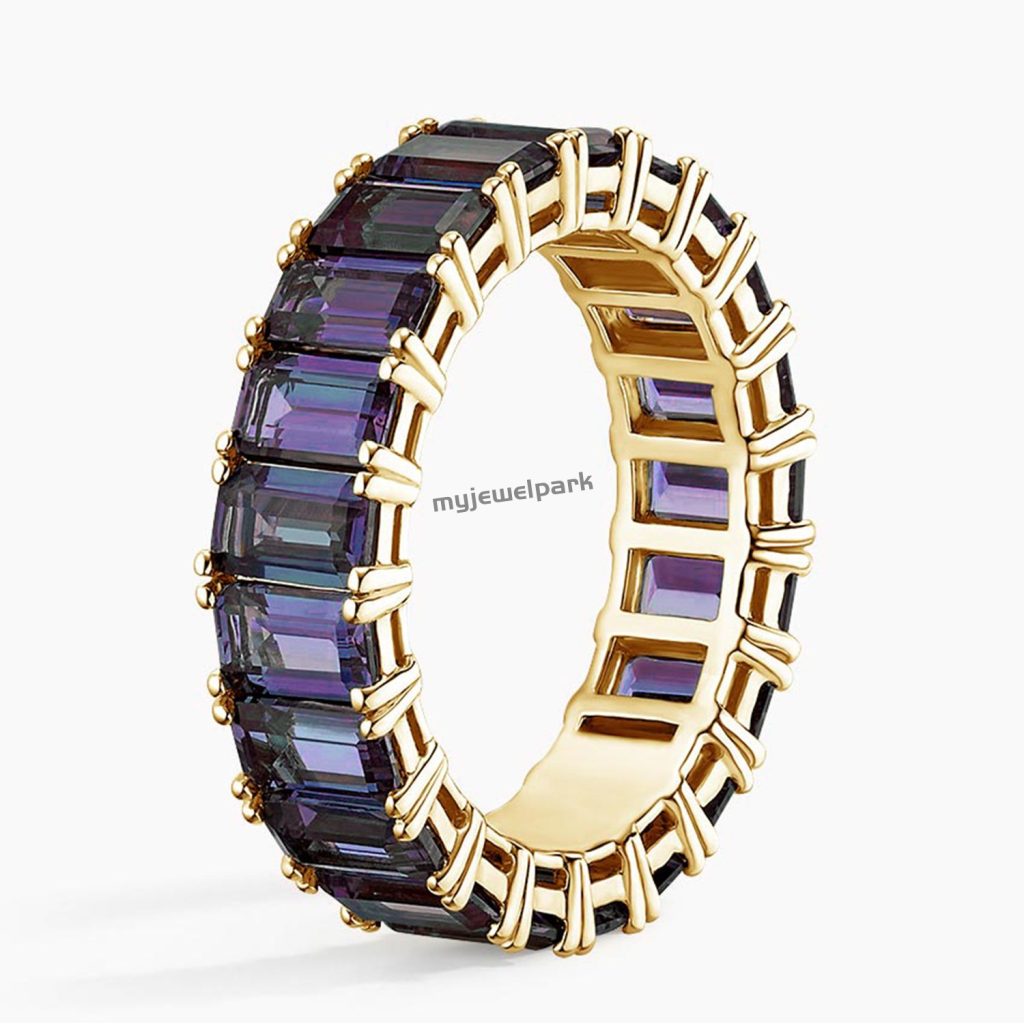
Laboratory-grown alexandrite is usually cheaper than natural stones, but its value is not static. With the increasing awareness of sustainable development and environmental protection, more and more people are beginning to accept laboratory-grown gemstones. These gemstones do not have the burden of mining on the environment, and the value of cultivated stones is gradually increasing from the perspective of consumers who focus on sustainable consumption.
Market Acceptance
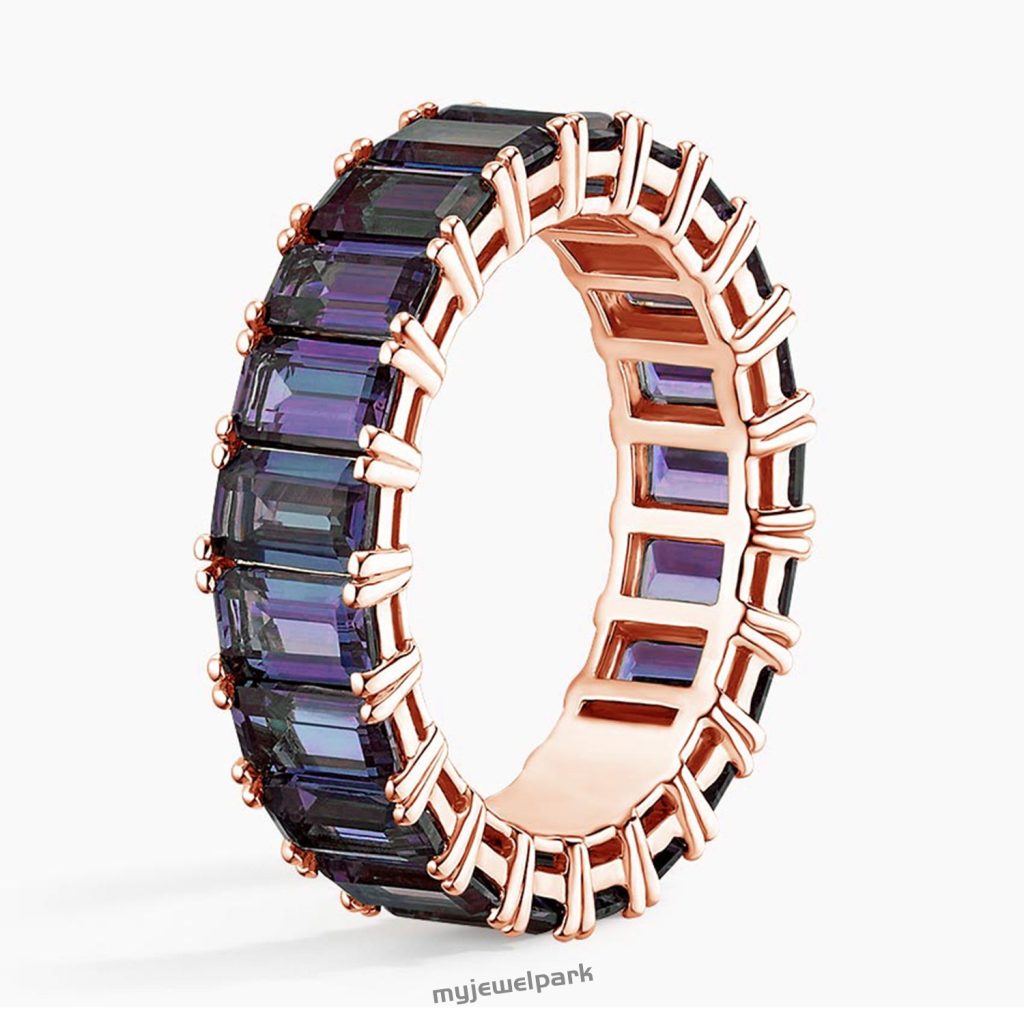
In the market, natural alexandrite is still the main choice for high-end jewelry, and its price is often much higher than that of lab grown alexandrite. Despite this, laboratory-grown alexandrite has gradually occupied a place in people’s jewelry choices due to its high cost-effectiveness and similar appearance.
Future Development
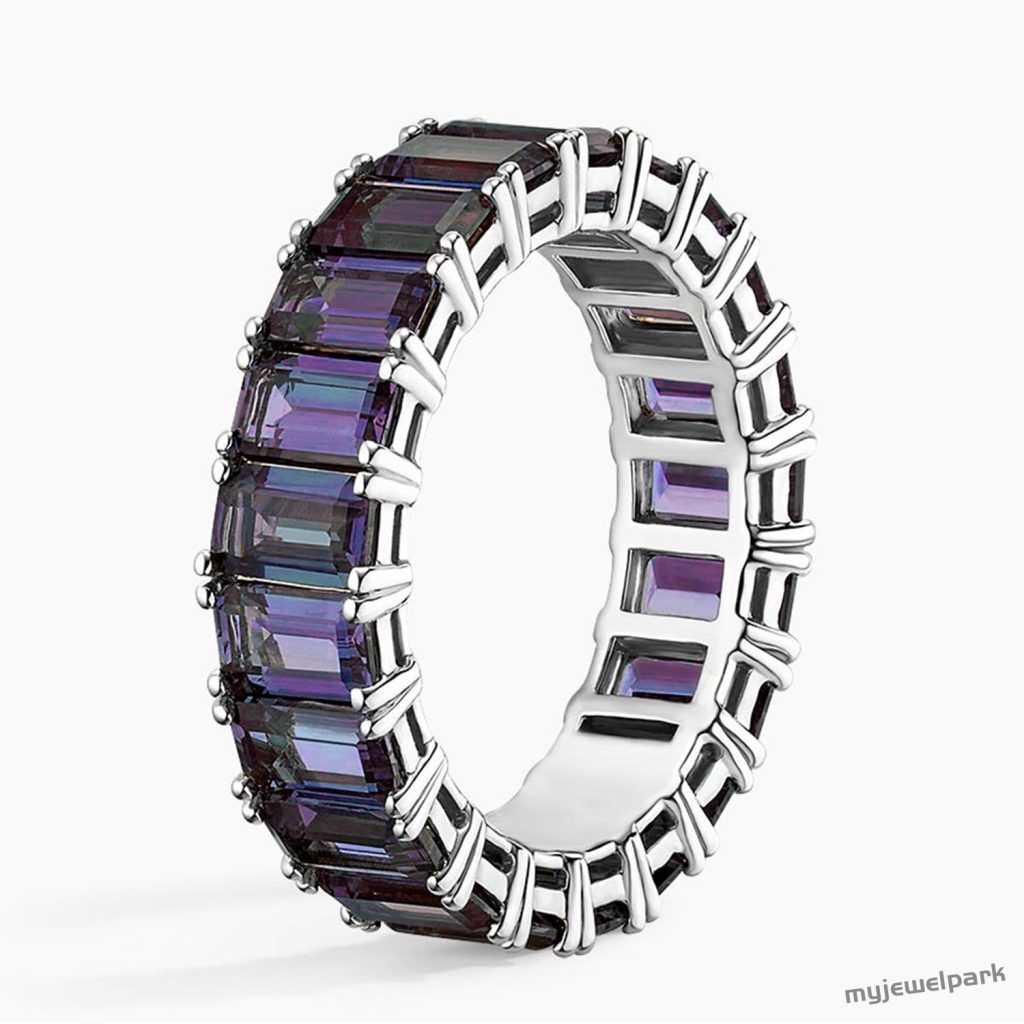
As market education improves and consumer concepts change, the acceptance of laboratory-grown alexandrite may continue to rise. Especially among young consumers, they may pay more attention to technology and environmental protection rather than traditional values.
Although laboratory-grown alexandrite cannot completely replace natural gemstones at present, they bring new options and opportunities to the jewelry market.