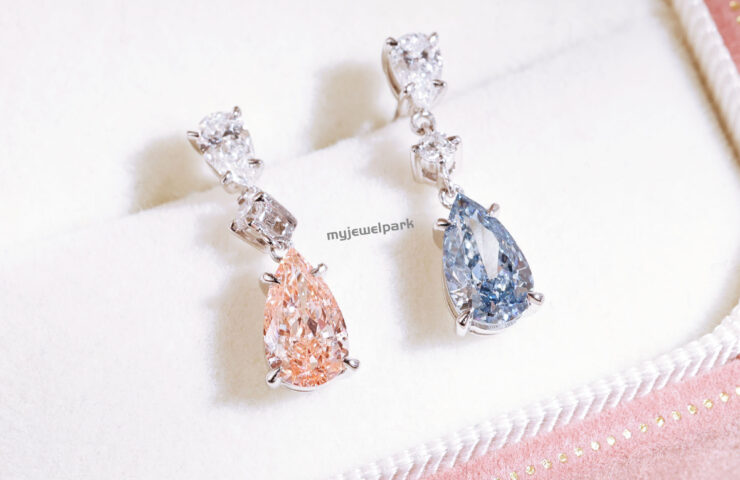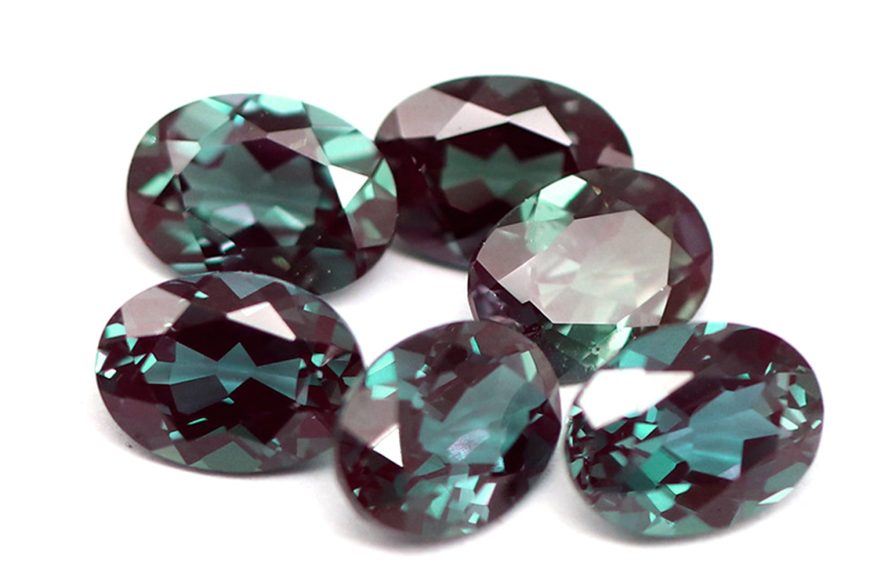
Alexandrite, due to its unique color-changing properties and rarity, has become a treasure in the hearts of collectors and jewelry lovers.
Its color changes significantly under different lighting conditions. This unique optical phenomenon makes Alexandrite highly sought after:
1. It appears bright grass green in daylight.
2. It turns deep red or purple under candlelight or fluorescent light.
Formation conditions
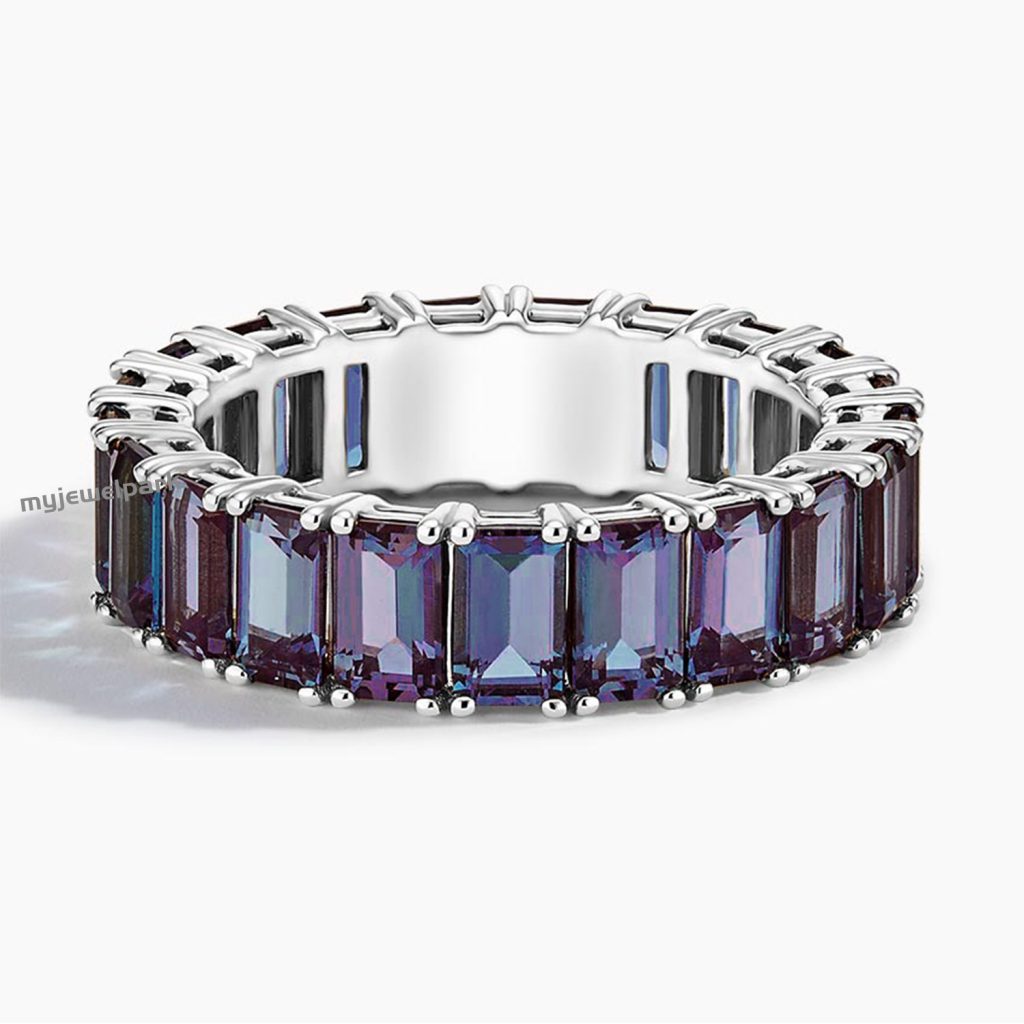
The rarity of Alexandrite is closely related to its formation conditions. This gem was first discovered in the Ural Mountains of Russia in the 19th century and was named after Emperor Alexander II. The trace elements and mineral conditions of its formation are extremely complex, which leads to its extremely rare production. Although there are small-scale mining in Brazil, Sri Lanka and other places today, the output of each mine is far from meeting market demand.
Resource depletion
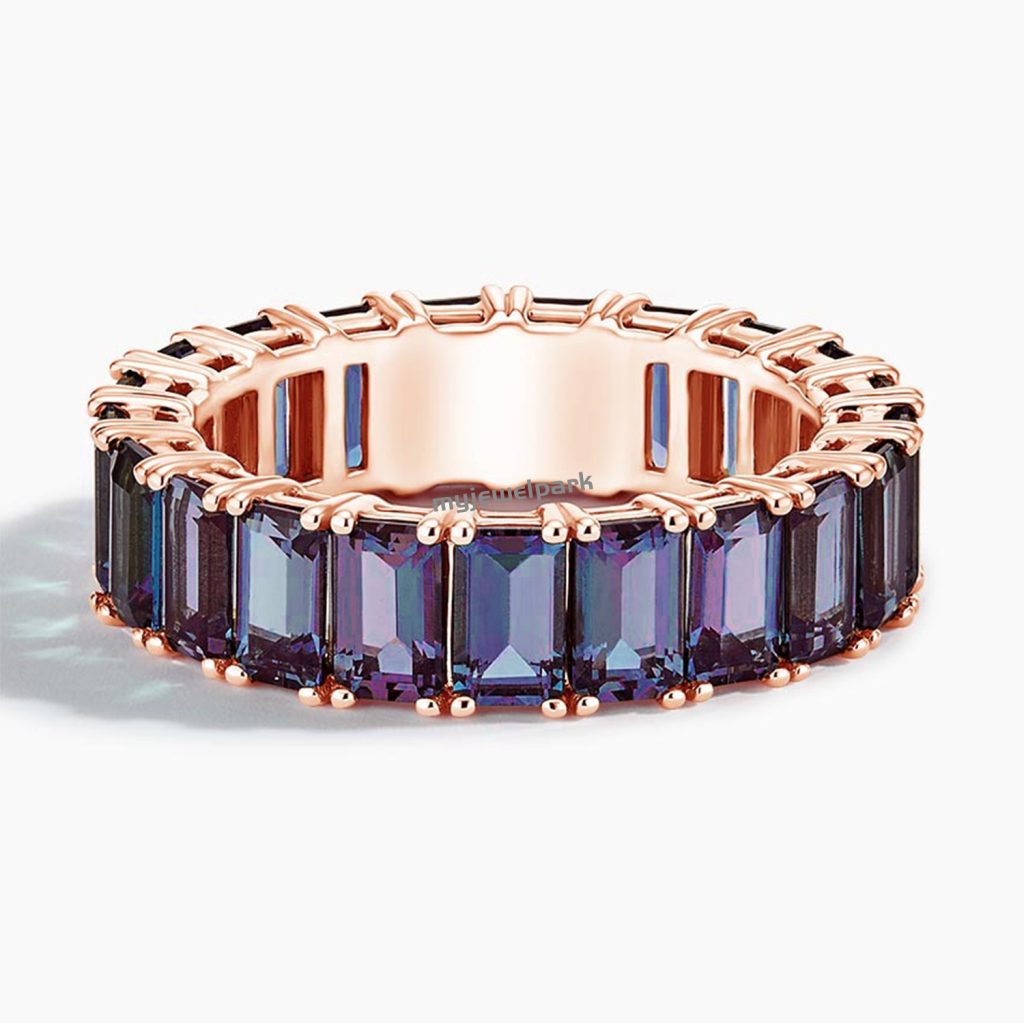
Alexandrite deposits are frequently mined, making high-quality stones that can be used for commercial purposes more scarce. With the increase in demand and the depletion of natural resources, the price of high-quality Alexandrite continues to rise. Since the 20th century, natural high-quality alexandrite has become almost impossible to find, so most of the Alexandrite on the market is artificially processed substitutes.
Alexandrite’s position in the jewelry market is also sought after by people due to its uniqueness and rarity. It is not only a precious ornament, but also a good investment and collection product.