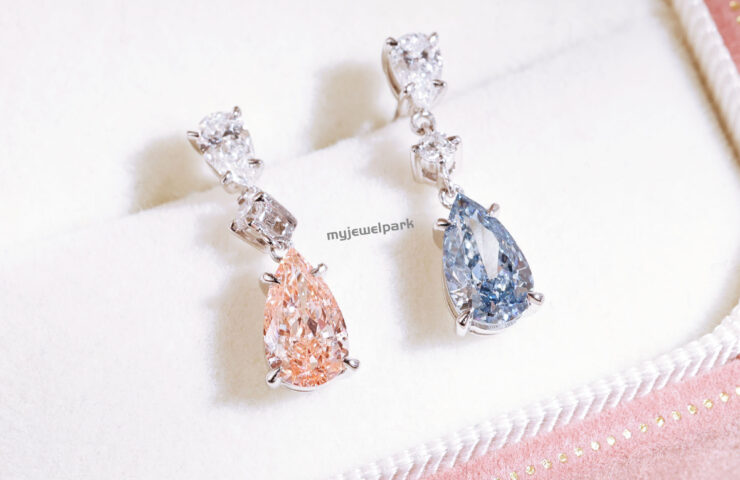
Are Colored Sapphires Valuable?
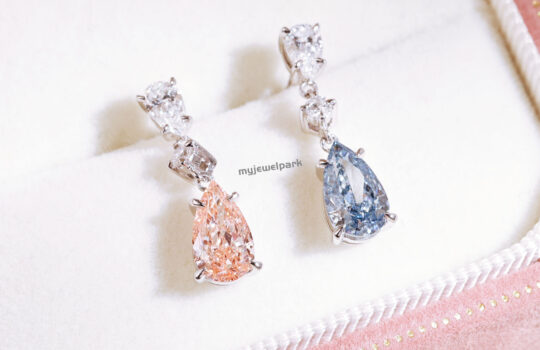
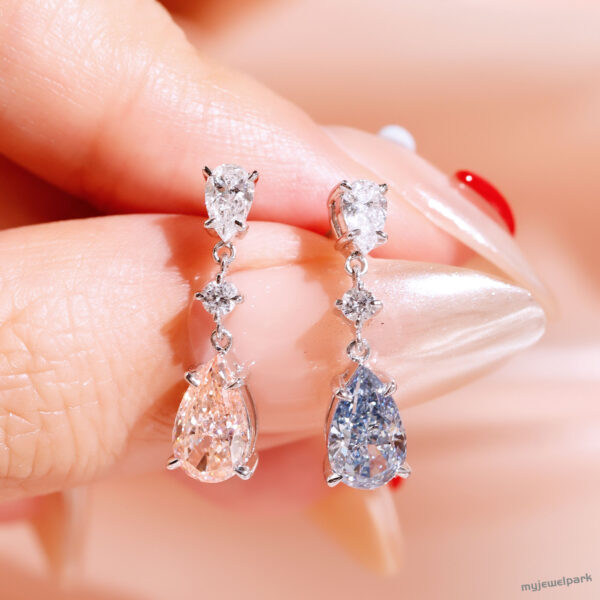
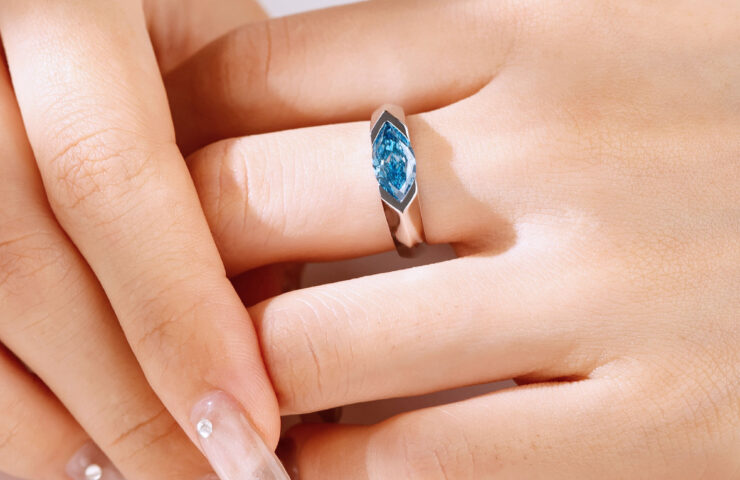
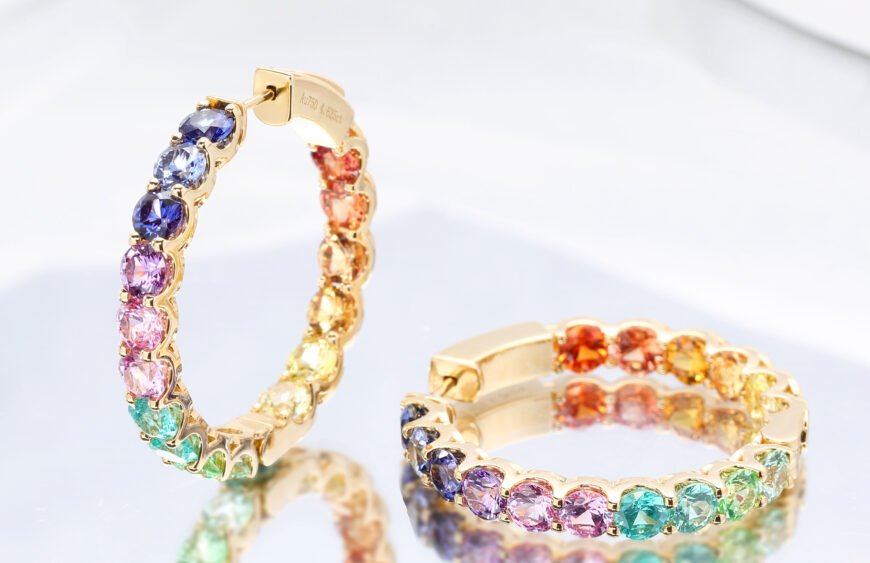
Sapphires are often linked to deep blue tones, yet they also appear in pink, yellow, green, purple, and orange pink blends like padparadscha. While blue stones dominate public perception, many collectors and jewelers consider vividly colored non blue varieties equally valuable when their hue, clarity, and origin are exceptional.
Defining Value in Colored Sapphires
Colored sapphires are part of the corundum family, sharing the same chemical composition as blue sapphires. Their colors come from trace elements like iron, chromium, and vanadium. Gemological reports from institutions such as the Gemological Institute of America confirm that vivid, evenly saturated stones without visible inclusions can fetch high prices, especially if unheated. However, some buyers are hesitant, believing non blue sapphires lack the same prestige as blue stones.
Consumer Opinions and Online Discussions
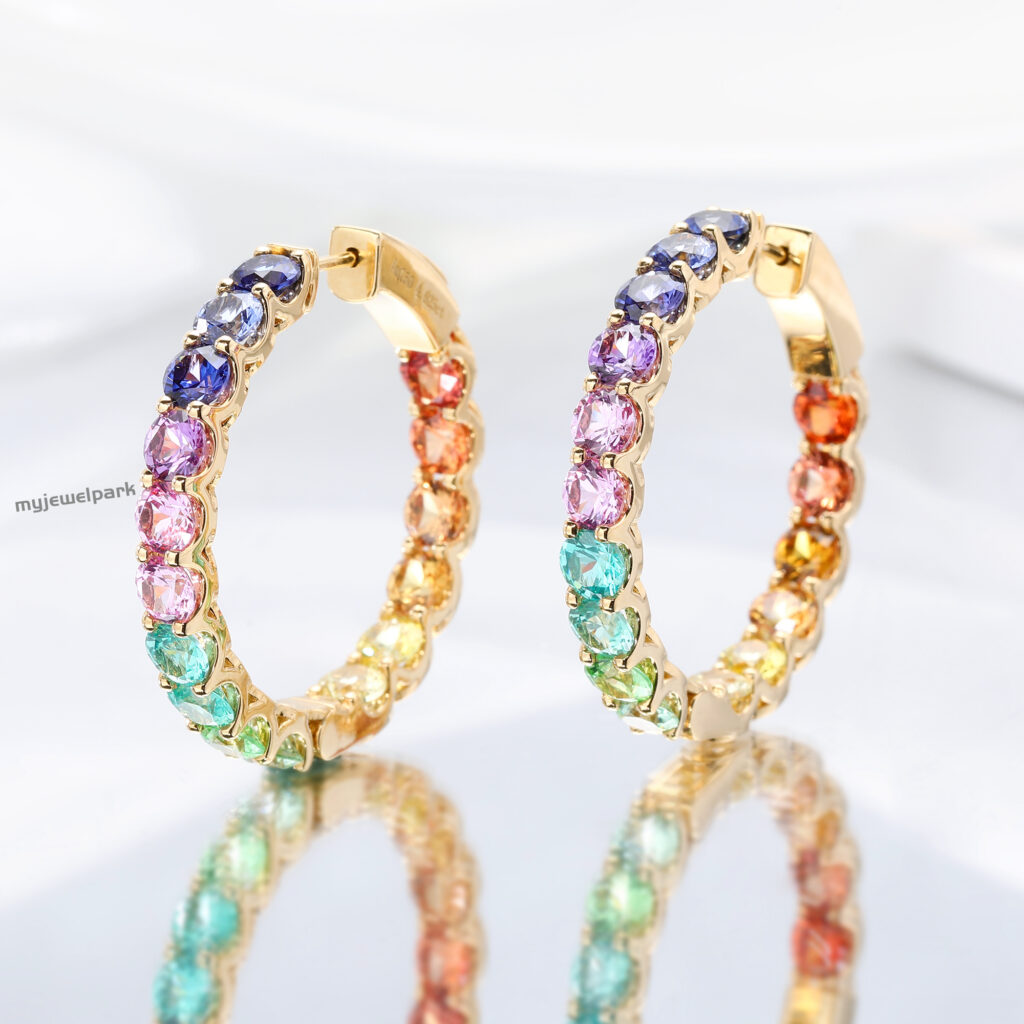
On large jewelry forums, discussions reveal contrasting views. Some consumers praise the uniqueness of colored sapphires, especially pink and yellow, saying they offer a more personal touch than traditional blue. Others see them as less “classic,” arguing they may not hold long term resale value. A popular YouTube gem channel showcased a side by side comparison of fine pink and blue sapphires. Viewers debated whether the rarity of a color variety or the market’s historical preference should define value. In one widely shared Reddit thread, users argued that padparadscha sapphires deserve higher recognition for their rarity, while skeptics questioned whether the market’s enthusiasm is artificially driven by branding.
Market Data and Rarity Factors
Auction records and trade reports show that exceptional colored sapphires can command impressive prices. According to data published by the International Colored Gemstone Association, demand for untreated pink and yellow sapphires has risen steadily over the past decade. Stones above two carats with high clarity and vivid color saturation often achieve values similar to high quality blue sapphires.
Advantages of Lab Grown Colored Sapphires
The growing interest in colored sapphires has also increased demand for sustainable options. Lab grown sapphires are cultivated from natural corundum seed crystals under controlled conditions. This process can create cream bodies, inclusions, and even fine fissures that mimic natural growth, making them nearly indistinguishable from mined gems in appearance and composition.
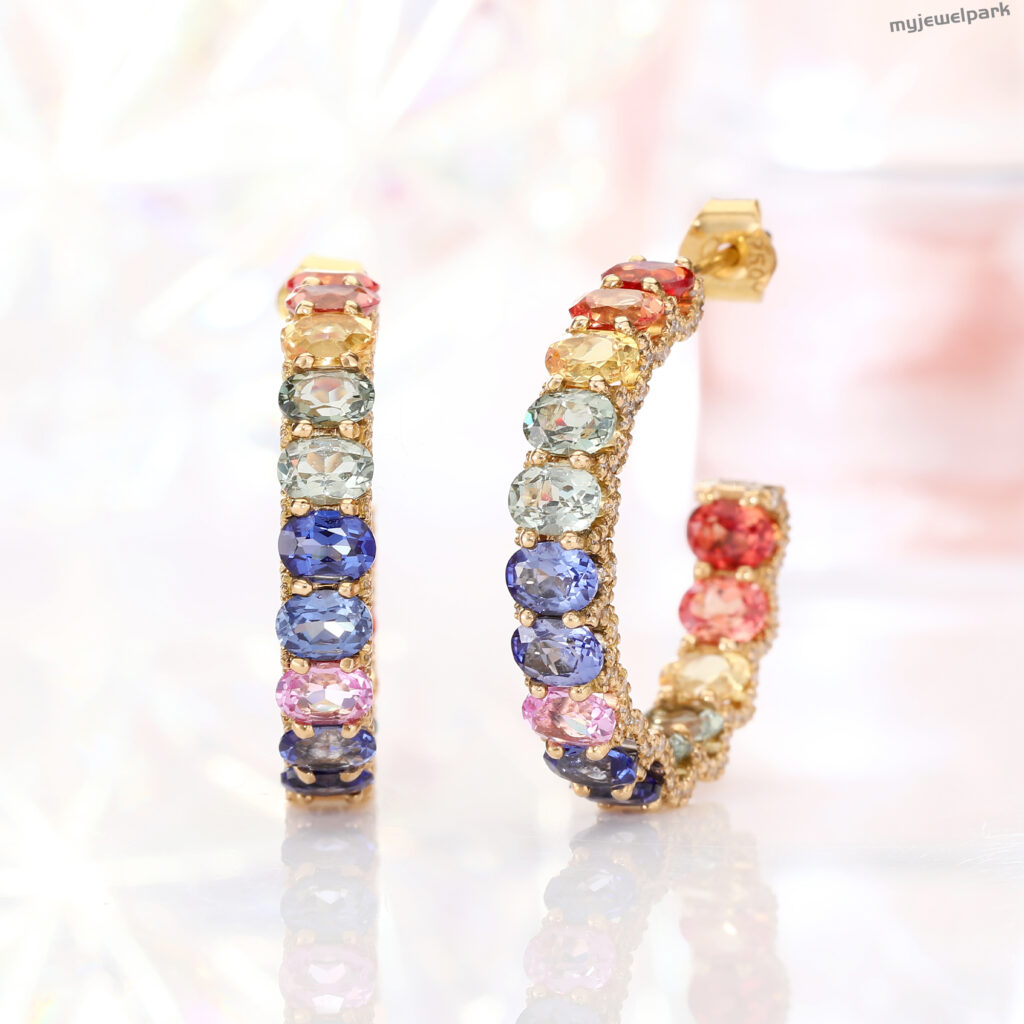
Controlled cultivation allows precise color matching, creating vivid pinks, yellows, and padparadscha hues without heat enhancement. A 2024 survey by the American Gem Society found that 71 percent of respondents would consider a lab grown colored sapphire if it had the same chemical and optical properties as a natural one. These stones appeal to buyers who want beauty and durability while avoiding the higher costs and environmental concerns of mining.
Natural colored sapphires remain prized by collectors. Lab grown versions, however, attract those who value affordability, ethical sourcing, and customization. Pink, yellow, or rare padparadscha sapphires, whether natural or lab grown, can hold both aesthetic and emotional value for the wearer.