Are Lab Grown Emeralds Good for Engagement Rings?
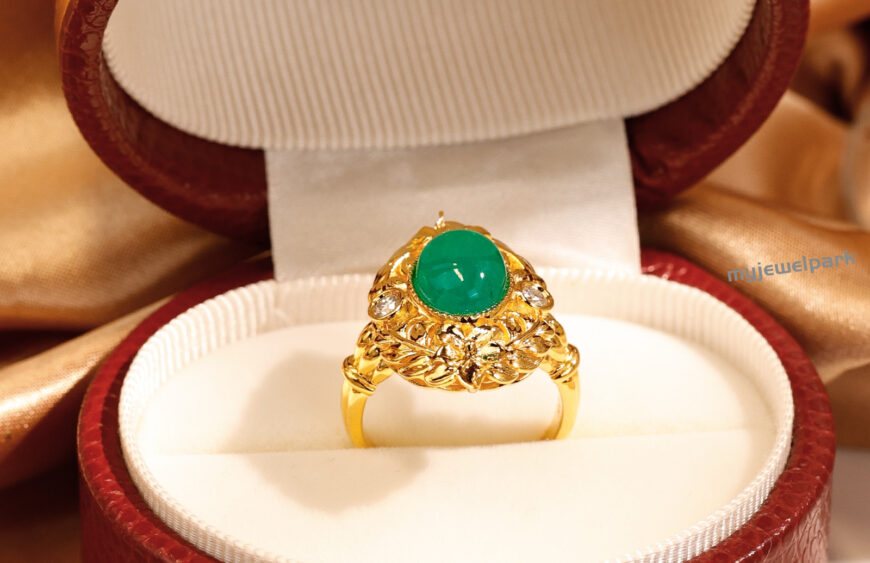
Emeralds have long been a symbol of love, depth, and individuality. Their rich green color has captured the attention of romantics and royals alike. But as more couples explore non-traditional engagement stones, lab grown emeralds are becoming a topic of debate. Are they a good choice for such a meaningful ring?
One of the main concerns shared on forums like r/EngagementRings and r/LabGrownDiamonds is durability. Emeralds, whether natural or lab created, rank around 7.5 to 8 on the Mohs scale of hardness. That’s lower than diamonds or sapphires, making them slightly more prone to surface scratches or chips. Some users report being told by jewelers to avoid emeralds for daily wear, especially in rings. Others push back, sharing years of wear without damage by simply choosing protective settings and removing the ring during certain activities.
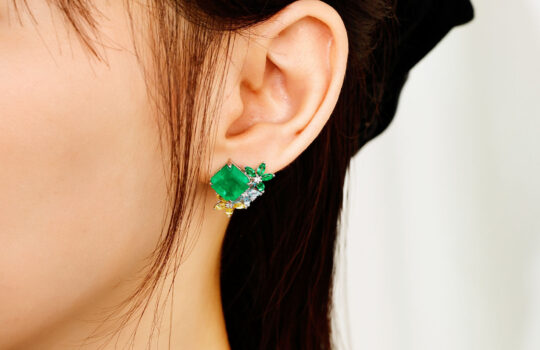
A popular video review on YouTube sparked conversation when the creator showed close-up comparisons between lab and natural emeralds. Viewers noted that lab grown emeralds appeared cleaner, often without the internal fractures known as “jardin” that are common in natural stones. While some felt these inclusions give natural emeralds character, others preferred the clarity and vibrant color that lab versions provide.

Clarity is not the only area where lab grown emeralds stand out
A 2023 report by the Gemological Institute of America (GIA) found that 48% of consumers under age 40 were open to non-diamond stones for engagement rings. Of those, nearly 60% said visual quality was more important than origin. This shift reflects changing values, where uniqueness and sustainability often outweigh tradition.
Lab grown emeralds are chemically and physically the same as their mined counterparts. They are created under controlled conditions that replicate the natural formation process but allow for better control over clarity and color. Jewelers can source stones with fewer flaws, which is especially helpful for a gem as delicate as emerald.
Price
Lab grown emeralds often cost less than half the price of natural ones with similar appearance. This allows couples to afford a larger stone or invest in a custom setting without going over budget. In today’s market, where personalization matters, this flexibility is key.

Sustainability also plays a role in the rising interest
MVI Marketing’s 2023 study revealed that 45% of Gen Z buyers were more likely to choose lab grown gems due to ethical concerns. Mining emeralds can lead to environmental damage and social issues. Lab creation removes those factors, offering a more transparent path from production to purchase.
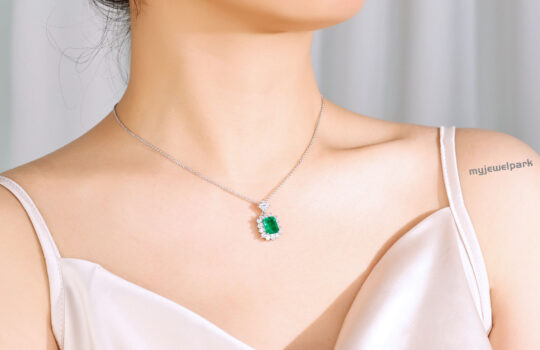
Lab grown emeralds combine beauty, value, and responsible sourcing. When paired with thoughtful design and proper care, they offer a striking and meaningful option for modern engagement rings.