Are Moissanite IGI Certified?
Moissanite has rapidly gained popularity as an alternative to diamonds, known for its brilliance, durability, and affordability. But when it comes to certification, especially from the International Gemological Institute (IGI), there is often confusion. Can moissanite receive IGI certification, and does it hold the same credibility as diamonds and other gemstones?
Does IGI Certify Moissanite?
Yes, IGI does certify moissanite, but not in the same way it certifies natural or lab-grown diamonds. IGI is one of the leading gemological laboratories worldwide, recognized for grading diamonds and gemstones. However, moissanite is classified as a diamond alternative, not a diamond itself, and therefore receives an identification report rather than a full grading certification like diamonds.
What Does an IGI Moissanite Report Include?
An IGI identification report for moissanite includes:
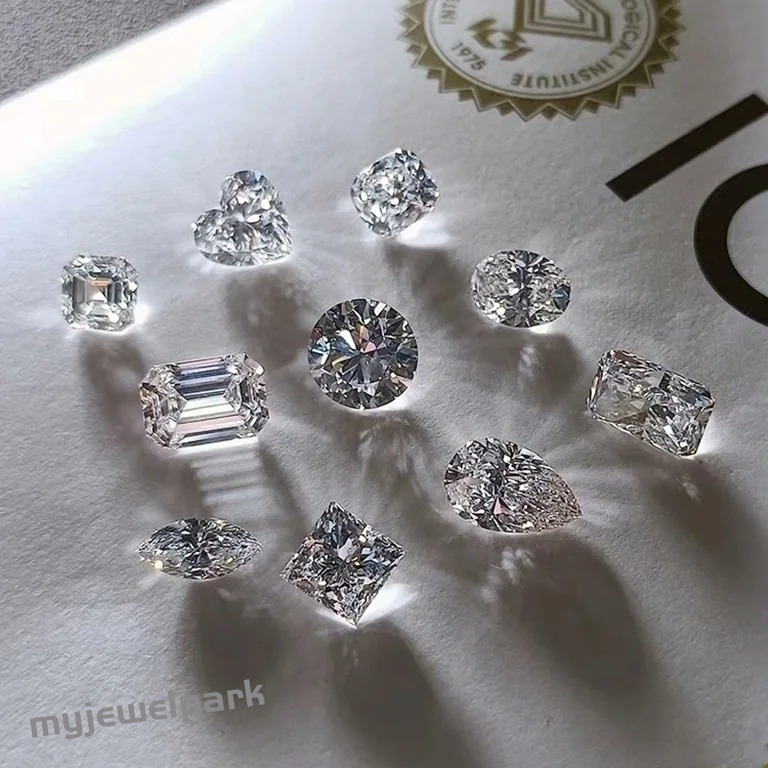
Verification that the stone is moissanite (natural or synthetic)、Carat weight、Measurements、Cut style、Color and clarity description、Optical properties (such as birefringence, which is unique to moissanite)
Unlike diamonds, moissanite is not graded on the traditional 4Cs (Cut, Clarity, Color, and Carat), but IGI ensures that the stone meets industry standards for quality.
Why IGI Certification Matters for Moissanite
For buyers, an IGI certification provides confidence that the moissanite they are purchasing is authentic and meets the quality standards expected. With the rise of synthetic gemstones and enhanced stones in the market, having an independent certification adds transparency and trust in the purchase process.
Lab Grown Moissanite: A Technological Marvel
Advancements in gem technology have allowed lab-created moissanite to be virtually indistinguishable from natural moissanite, except under specialized testing. Unlike the early synthetic gems that had noticeable differences, today’s lab-created moissanite mimics natural features such as inclusions, fluorescence, and even slight color variations, making them more desirable.
This technological advancement mirrors the innovations seen in lab-grown diamonds and emeralds, where modern techniques now replicate natural inclusions and characteristics that were once only found in mined stones. This has contributed to a shift in consumer perception—many now view lab-created gems as not just an ethical alternative but also a high-quality option.
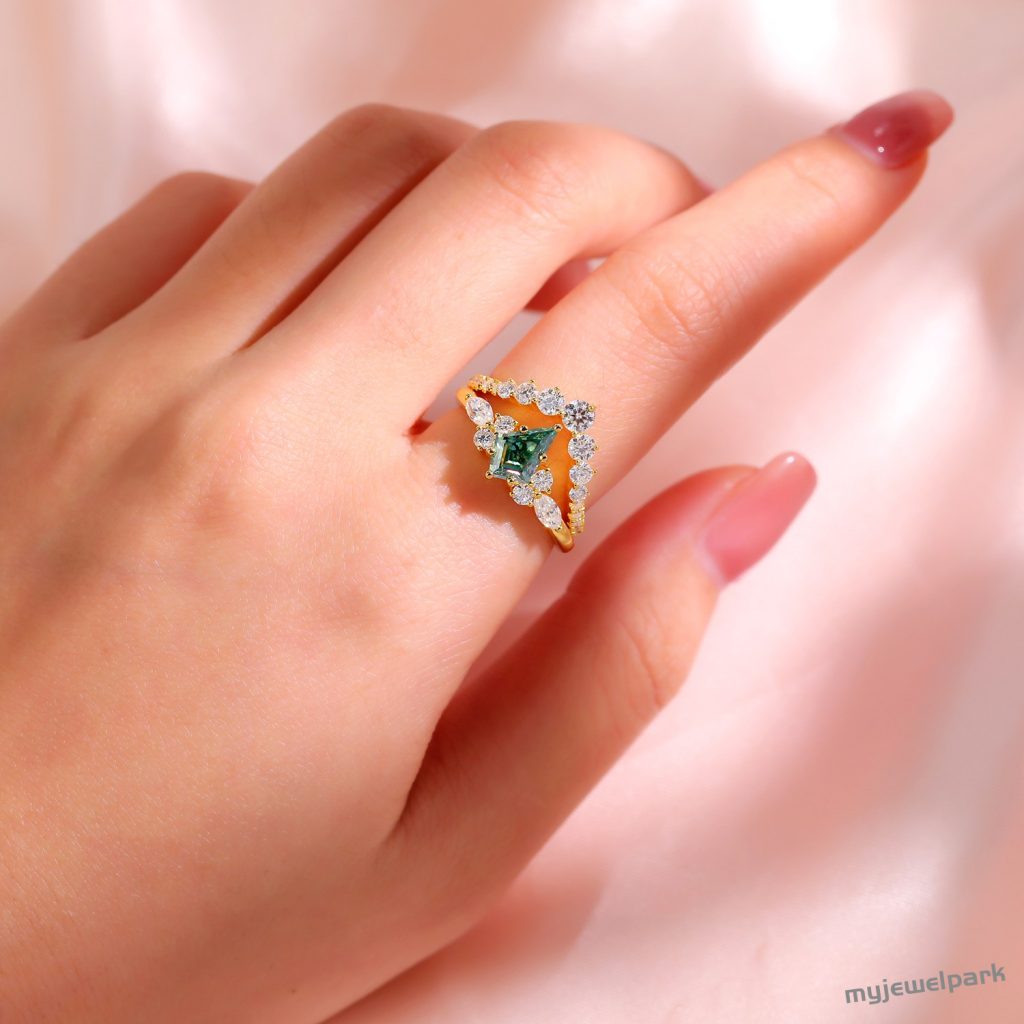
Consumer Psychology: The Rise of Lab-Created Stones
Many buyers today, particularly younger generations, prioritize sustainability and affordability. According to a survey by MVI Marketing, over 70% of millennials and Gen Z consumers are open to purchasing lab-grown gemstones over natural ones, primarily due to ethical and environmental concerns. Moissanite, being a lab-created gem, aligns perfectly with these values.
Additionally, wearing moissanite carries a certain prestige—not only does it exhibit superior brilliance compared to diamonds, but it also signals a conscious choice toward sustainable luxury. The conversation around moissanite and lab-grown diamonds has evolved; they are no longer seen as “fake” but rather as modern, innovative choices in fine jewelry.
IGI Certification for Moissanite
IGI certification for moissanite helps establish credibility, ensuring that consumers get what they pay for. As lab-grown gemstones continue to gain traction, moissanite remains at the forefront of this movement, offering stunning brilliance, affordability, and an ethical alternative to traditional diamonds. Whether you’re purchasing for an engagement ring or everyday jewelry, an IGI-certified moissanite is a smart and stylish choice in today’s market.
What do you think about lab-grown gemstones? Would you choose moissanite over a diamond? Share your thoughts in the comments!