Can Emeralds Get Wet?
Emeralds are durable, but not indestructible
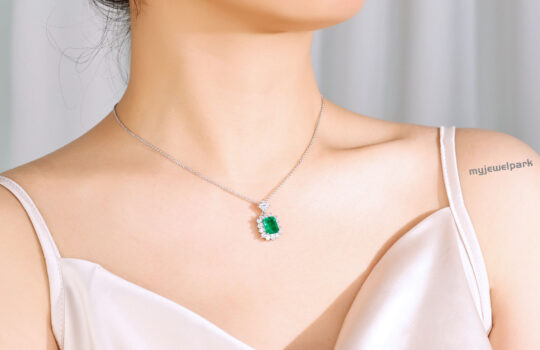
Whether mined or lab-grown, the question of water resistance comes up often—and the answer isn’t as straightforward as it seems. If you’ve ever searched can emeralds get wet, you’re not alone. The short version is yes, but with caution.
Emeralds sit between 7.5 and 8 on the Mohs scale
This puts them above many common materials in terms of hardness, but not on par with diamonds or sapphires. What complicates things is their internal structure. Most emeralds, especially mined ones, contain surface-reaching fractures or inclusions that can make them more vulnerable to pressure or temperature shifts.
On Reddit’s r/jewelry, one user shared, “I wore my emerald ring in the shower for months—until it cracked. The jeweler said water probably got into the filled inclusions.” That comment sparked dozens of responses. Some blamed cleaning agents. Others blamed sudden temperature changes. The real issue lies in treatments, not water itself.
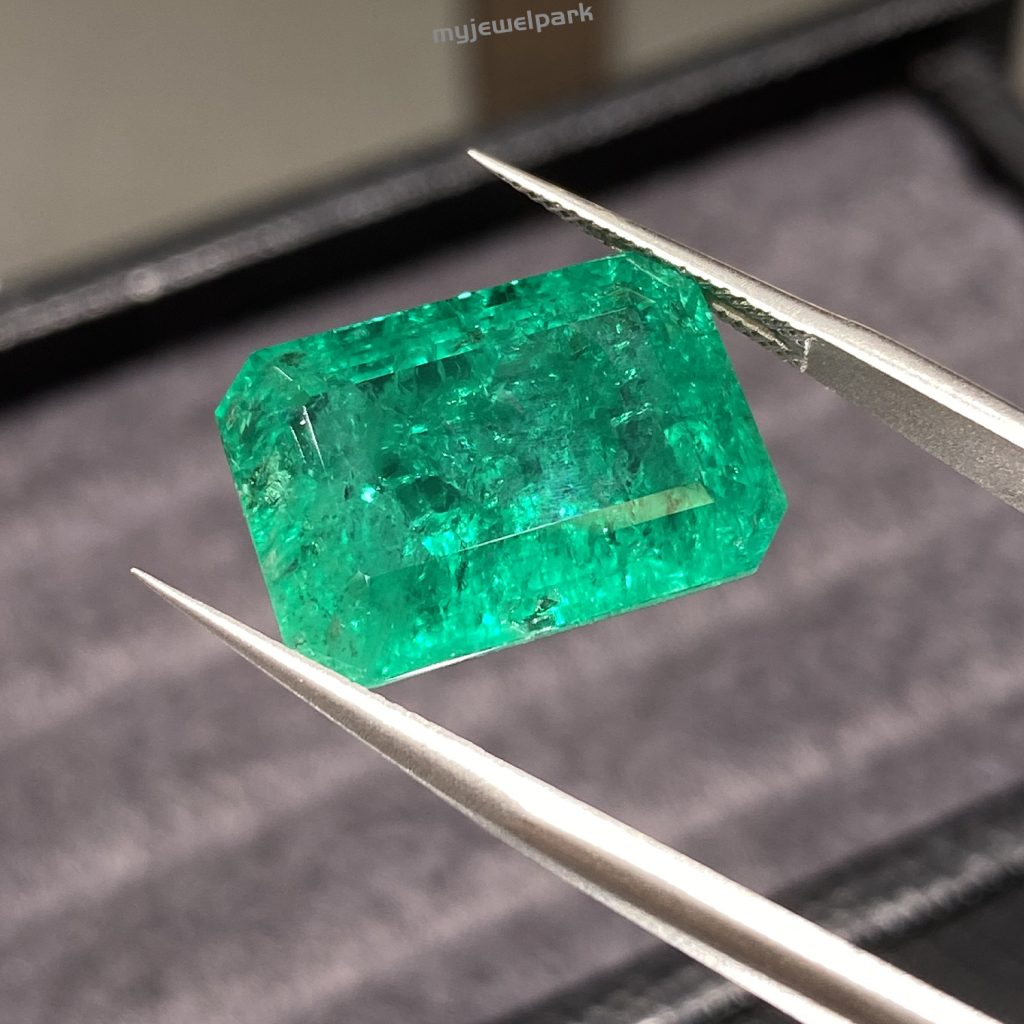
Many natural emeralds are treated with oil or resin to improve clarity
These fillers can be affected by water over time. Prolonged exposure to hot water or detergents may dry out the oil, leaving the stone looking dull or even developing visible cracks. That’s where lab-grown emeralds change the conversation.
Hydrothermal emeralds, grown under conditions that mimic natural geological processes, offer greater internal stability. They’re typically produced without surface-reaching fissures, which lowers the need for clarity enhancements. Brands like Chatham now grow emeralds with subtle inclusions intentionally embedded during crystal formation. These are not flaws, but design features that replicate the look of natural stones while avoiding structural weakness.
A 2025 consumer insights report from the Gemstone Sustainability Index found that 64 percent of respondents in North America and Europe prefer untreated gemstones, especially when choosing pieces for daily wear. Buyers said they were more comfortable wearing and maintaining stones that hadn’t undergone oil treatment or fracture filling.
This is where lab-grown emeralds have a clear advantage
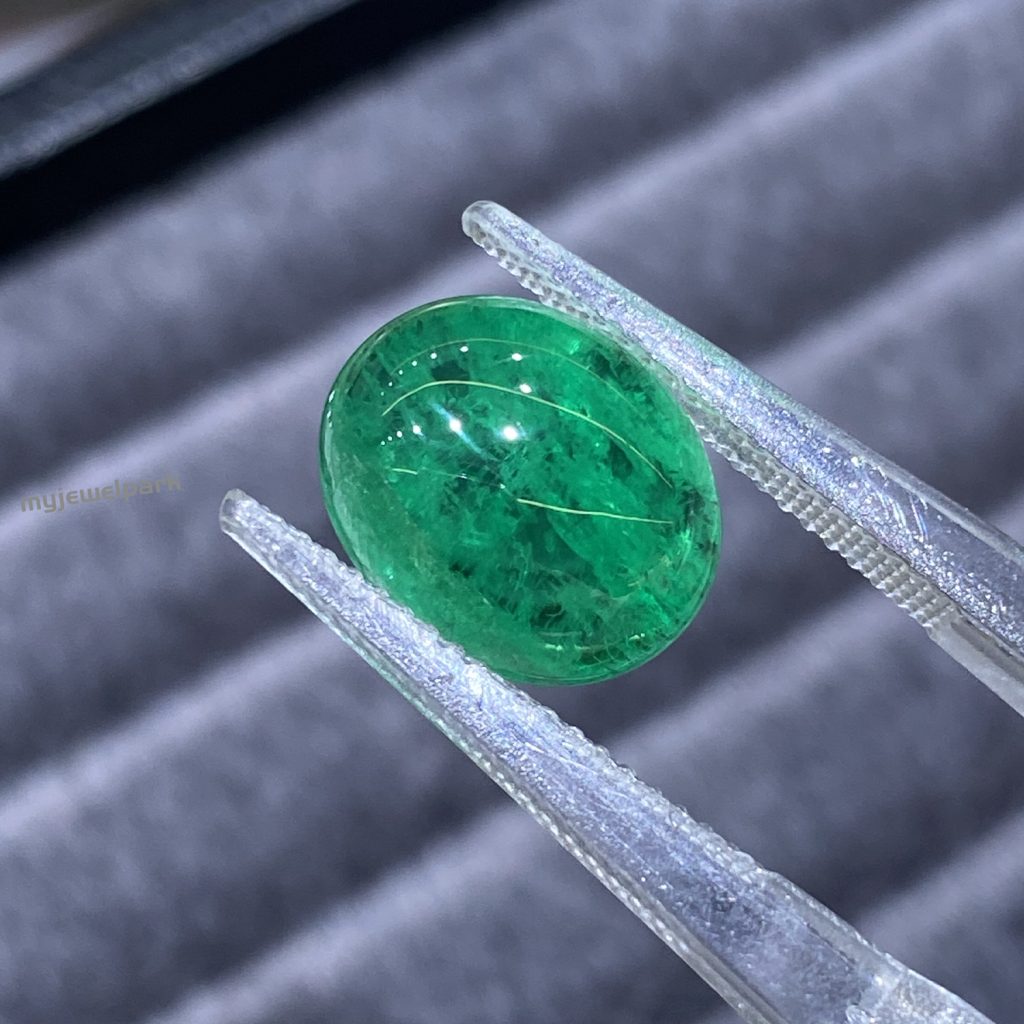
Because they don’t rely on temporary enhancements, they’re less sensitive to moisture, cleaning products, and environmental changes. That doesn’t mean you should wear them while swimming or using harsh chemicals—but the risk of damage is significantly lower compared to heavily treated natural emeralds.
Reddit comments echo this. One user wrote, “My synthetic emerald has been through vacations, pool water, and cleaning. Still looks the same.” Others pointed out that peace of mind—not just performance—was the deciding factor when choosing lab-grown.
Poll: Which would you feel safer wearing daily?
Mined emeralds treated with traditional oils or lab-grown emeralds with untreated hydrothermal inclusions?