Can Lab Emeralds Pass a Diamond Tester?
As lab-grown gemstones continue to surge in popularity, questions surrounding their authenticity and testing methods have become a hot topic. One common query is whether a lab-created emerald can pass a diamond tester. To answer this, we must explore how diamond testers function, the physical properties of emeralds—both natural and lab-grown, and why sustainable jewelry is becoming the new standard in luxury.
How Does a Diamond Tester Work?
A diamond tester determines a gemstone’s authenticity by measuring thermal and electrical conductivity. Diamonds, due to their unique carbon structure, exhibit high thermal conductivity, allowing them to disperse heat rapidly. Some diamond alternatives, such as moissanite, share similar heat-conducting properties, sometimes leading to misleading test results.
Emeralds, however, belong to the beryl family and have significantly lower thermal conductivity than diamonds. Whether natural or lab-grown, emeralds will not pass a diamond tester, as their composition does not match that of a diamond.
Do Lab-Grown Emeralds Test Differently?

Since lab-grown emeralds are created using advanced techniques like hydrothermal synthesis, they are chemically and optically identical to their mined counterparts. This means that, just like natural emeralds, they will not register as a diamond on a tester. Instead, identifying a lab emerald requires expert gemological testing, such as spectroscopy or inclusion analysis.
Why Lab-Grown Emeralds Are Gaining Popularity
The jewelry industry is experiencing a shift, particularly among millennials and Gen Z consumers, who are driving the demand for eco-friendly and ethically sourced gemstones. According to a 2023 International Gem Society (IGS) report, nearly 65% of younger buyers prefer lab-grown gemstones due to their affordability and conflict-free origins.
Additionally, recent technological advancements allow cultured emeralds to feature natural-looking inclusions and a soft, milky glow, making them almost indistinguishable from mined emeralds. This innovation has helped erase the outdated perception that synthetic gems appear too perfect or glassy.
The Psychological Appeal of Lab-Grown Jewelry
For many, jewelry is more than just an accessory—it reflects values, status, and personal beliefs. Historically, natural gemstones were considered a symbol of wealth, but today’s buyers prioritize sustainability, transparency, and technological innovation over traditional rarity.
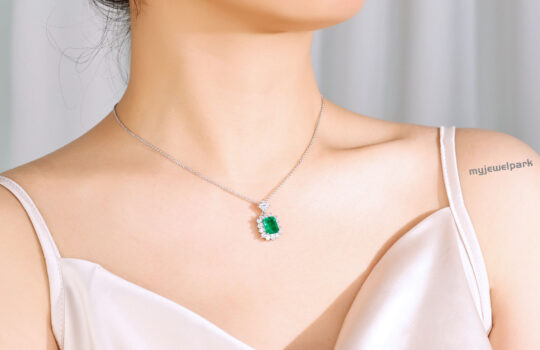
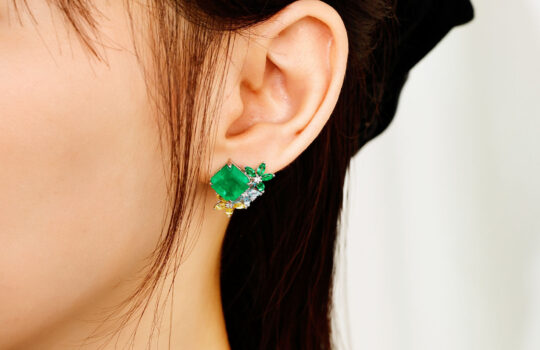
Owning a lab-created emerald provides the luxury of a high-quality gemstone without concerns about environmental degradation or unethical mining practices. As consumers become more aware of these issues, the preference for lab-grown emerald engagement rings, earrings, and pendants continues to grow.

The Future of Lab-Grown Gemstones
With technological advancements refining the appearance and durability of lab-created emeralds, they are becoming a mainstream choice for modern fine jewelry. New processes can now mimic the silky inclusions and unique character found in mined emeralds, eliminating the stigma once associated with synthetic gems.
Why Testing Doesn’t Matter
While lab emeralds won’t pass a diamond tester, this does not diminish their value. Lab-grown gemstones offer a blend of beauty, sustainability, and affordability, making them an attractive option for today’s conscious consumers. As acceptance of lab-created fine jewelry continues to grow, the lines between natural and synthetic gemstones will blur, redefining luxury in the jewelry world.
What’s your take on lab-grown emeralds? Would you wear one over a mined gem? Join the discussion in the comments!