How to Distinguish the Quality of Yellow Sapphire?
Yellow sapphires, known for their radiant golden hues, are a symbol of prosperity and wisdom. With the growing market for lab-grown gemstones, distinguishing high-quality yellow sapphires—whether natural or lab-created—has become essential for buyers.
1. Color: The Most Crucial Factor
Color is the primary indicator of a yellow sapphire’s value. The most sought-after hues are vivid canary yellow, golden yellow, and honey yellow. Natural sapphires often contain slight color zoning, meaning areas of lighter and darker shades.
Lab-grown yellow sapphires, produced through advanced methods like flux growth or hydrothermal synthesis, can now replicate these natural variations, eliminating the overly “perfect” look that once characterized synthetic gems. This makes them nearly indistinguishable from mined sapphires.
2. Clarity: Natural vs. Lab-Created Inclusions
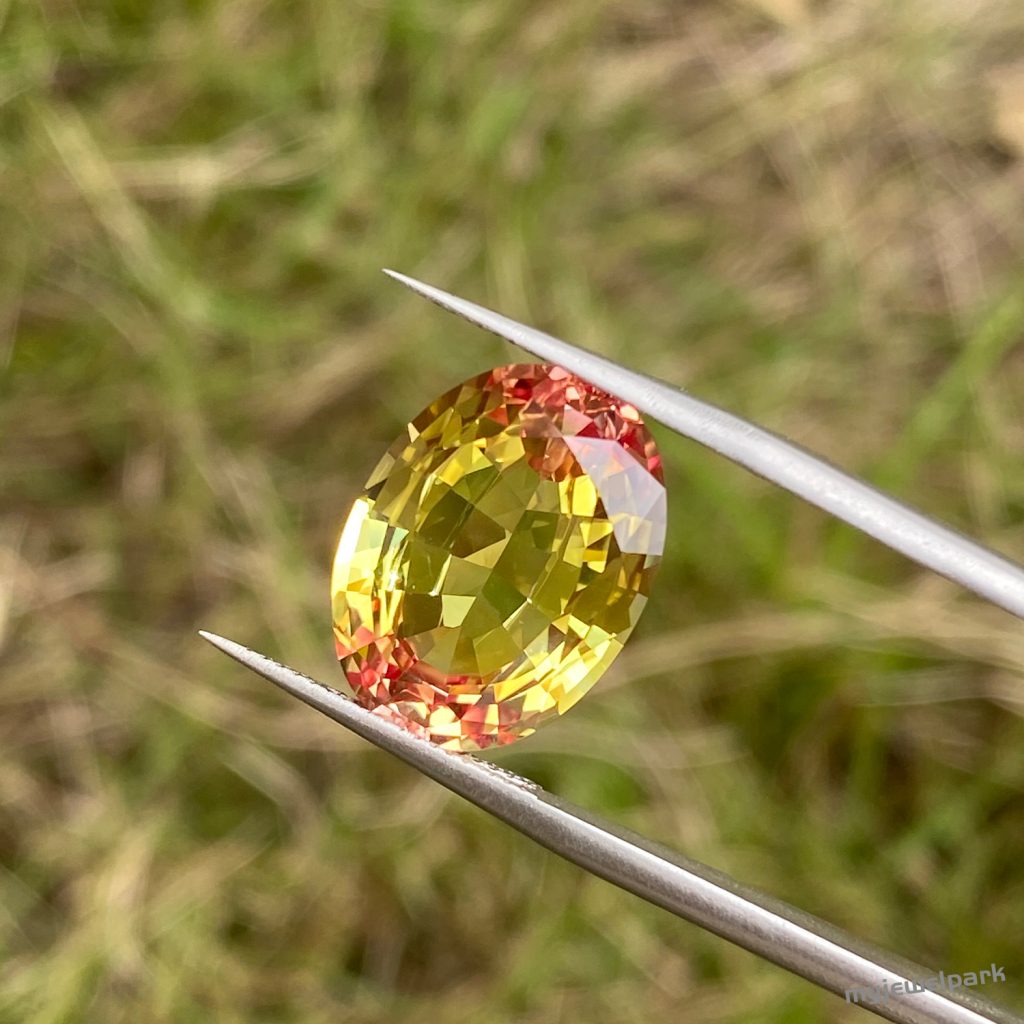
Unlike diamonds, where clarity is critical, sapphires commonly contain inclusions. In high-quality natural yellow sapphires, silk-like rutile inclusions or tiny mineral traces are expected. These inclusions, if well-distributed, can even enhance the stone’s glow.
Lab-created yellow sapphires are now engineered to mimic these natural inclusions, making them more convincing than ever. As a result, even seasoned gemologists rely on spectroscopy and advanced microscopy to differentiate them from mined stones.
3. Cut: Maximizing Brilliance
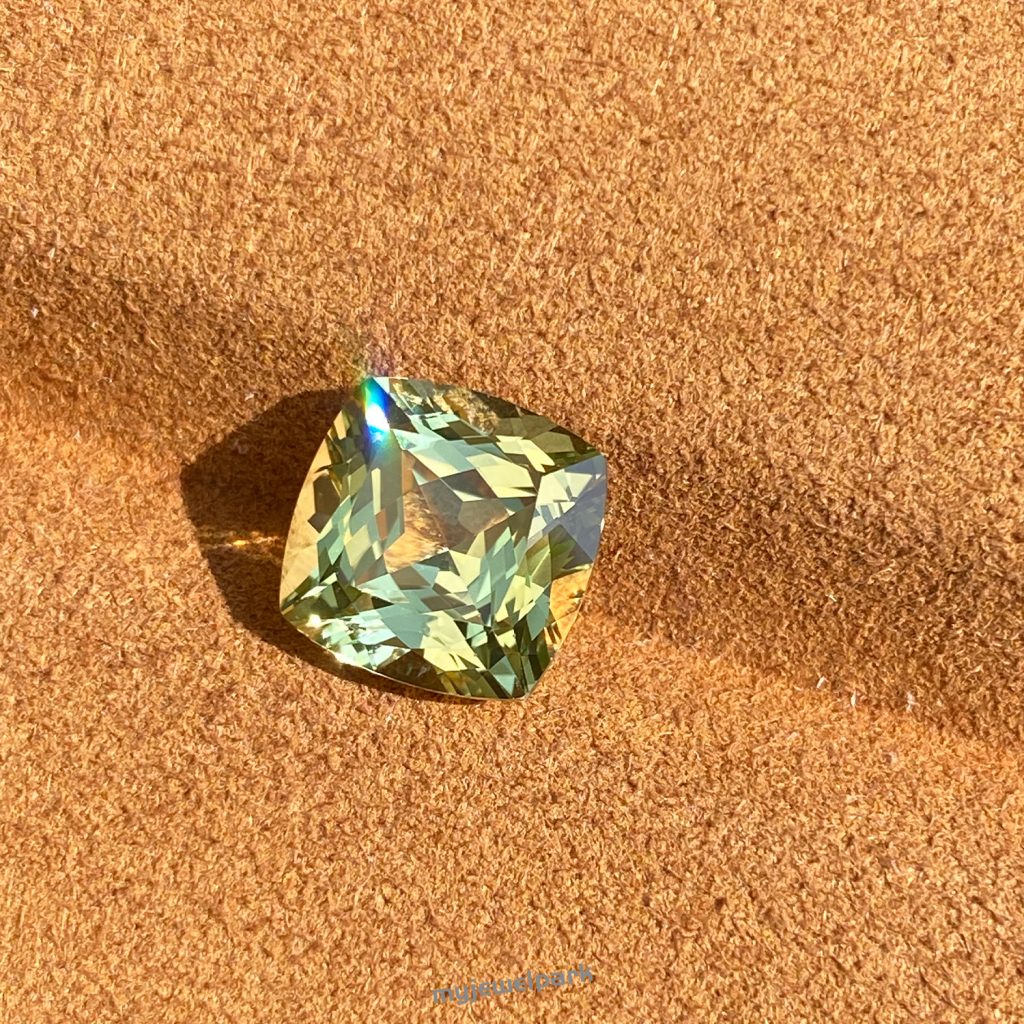
A well-cut yellow sapphire should exhibit even brilliance and symmetry. Common cuts include oval, cushion, and round, designed to enhance the gemstone’s ability to reflect light. Poorly cut stones may appear dull or lifeless, reducing their value.
Advanced technology has allowed lab-grown yellow sapphires to be precision-cut, ensuring optimal light performance without the risk of fractures or structural weaknesses common in some natural stones.
4. Origin & Ethical Considerations
Mined yellow sapphires often come from Sri Lanka, Madagascar, and Thailand. However, ethical concerns over mining practices, including environmental damage and unfair labor conditions, have led many buyers to seek lab-grown alternatives.
According to a 2023 survey by the International Gem Society (IGS), over 60% of consumers aged 25-40 prefer ethically sourced gemstones, with lab-grown sapphires being a top choice. Their identical chemical and optical properties, combined with sustainable production, make them increasingly popular in fine jewelry.
5. Psychological & Social Perception of Lab-Grown Yellow Sapphires
The idea that natural gems are inherently more valuable is shifting. Today’s buyers see lab-created yellow sapphires as a smart, eco-conscious choice. They offer the same luxurious appeal as natural gems but without the environmental and ethical baggage.
Moreover, lab-grown gems are now widely accepted in engagement rings, statement jewelry, and collector pieces. Many consumers take pride in wearing high-tech, sustainable gemstones, reflecting a modern approach to luxury.
The Future of Yellow Sapphires
Distinguishing a high-quality yellow sapphire involves assessing its color, clarity, cut, and ethical sourcing. With technological advancements, lab-grown yellow sapphires now feature natural-like inclusions and realistic color variations, making them an appealing alternative to mined stones.
What’s your opinion? Would you choose a lab-grown yellow sapphire over a mined one? Share your thoughts below!