Can Sapphires Be Multicolored
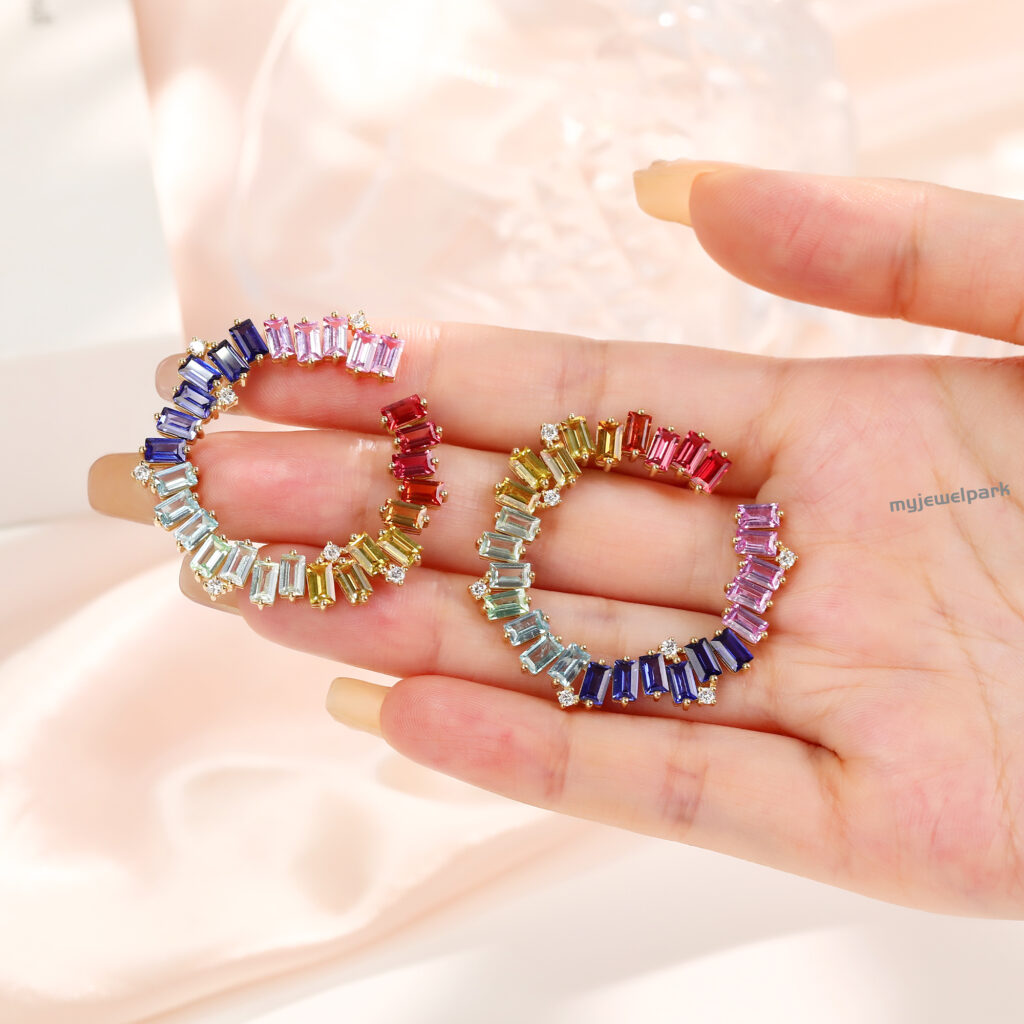
Sapphires have an astonishing range of colors, with multiple hues appearing within a single gem. These rare blue sapphires are called multicolored sapphires. They may exhibit striking combinations such as blue and yellow, green and purple, or subtle, seamless gradients of color throughout the crystal. This phenomenon is caused by variations in trace elements such as iron, titanium, and chromium during crystal formation.
Formation and Appearance
The multicolored effect is the result of environmental changes within the earth during formation. Shifts in temperature, chemical composition, or pressure can create areas with different concentrations of color-causing elements. The way a cutter orients the crystal plays a major role in how visible these color divisions will be in the finished gem.
Gemologists value these sapphires for their uniqueness, but opinions differ widely among jewelry enthusiasts. Some collectors praise them as more individual and expressive than a single-color stone. Others feel they are harder to match with other jewelry and less likely to hold long-term market value.
Consumer Opinions and Online Debate
On popular gemstone forums, buyers have posted detailed photos of their multicolored sapphires, sparking mixed reactions. In a well-watched YouTube video, a gemstone dealer compared a blue and green sapphire with a pure blue sapphire of similar size and clarity. Many viewers found the multicolored gem more memorable and striking. Others commented that it looked less formal and might appeal to a smaller group of buyers.
In some cultures, blended colors are associated with positive symbolism and are actively sought for custom pieces. In other markets, jewelers note that demand for parti-colored sapphires has grown in recent years but still lags behind demand for classic blue stones.
Survey Findings
A 2024 report by the International Colored Gemstone Association showed that 27 percent of surveyed buyers were willing to pay extra for a multicolored sapphire if the color transitions were sharp and attractive. Nearly half of respondents preferred single-color stones, citing easier styling with other pieces and adherence to tradition.
Advantages of Lab-Grown Multicolored Sapphires
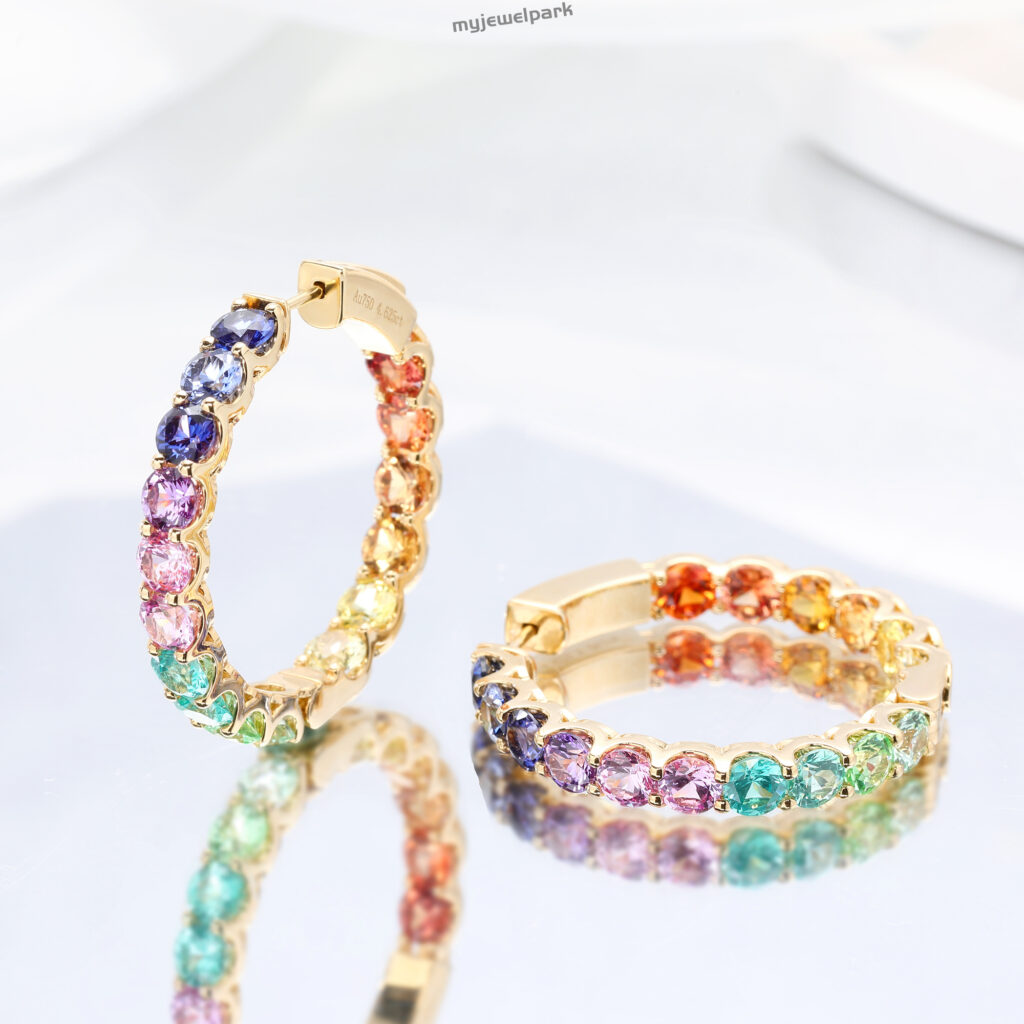
Natural multicolored sapphires are uncommon, which can make them expensive. Laboratory-grown options offer a way to enjoy these color effects with more predictability and at a lower cost. Producers grow them using natural sapphire seed crystals in controlled environments. By adjusting the growth conditions, they can create stones with deliberate zoning of color, along with features such as cream bodies, inclusions, and surface-reaching fissures that resemble natural gems.
Lab-grown sapphires provide more consistent quality, full traceability, and reduced environmental impact. For jewelers, this means greater creative freedom in designing custom settings that highlight the unique patterns. For consumers, it offers the chance to own a visually unusual sapphire without the uncertainties of natural rarity and variable market pricing.
Whether natural or lab-grown, multicolored sapphires stand out as gems that defy expectations, offering beauty shaped by both nature and human skill.