Laboratory-grown rubies are very popular in the jewelry market due to their high cost-effectiveness and sustainability. However, many consumers are often confused about how to distinguish laboratory-grown rubies from natural rubies when purchasing. Here are some effective methods to help you better distinguish.
1. Observe the color
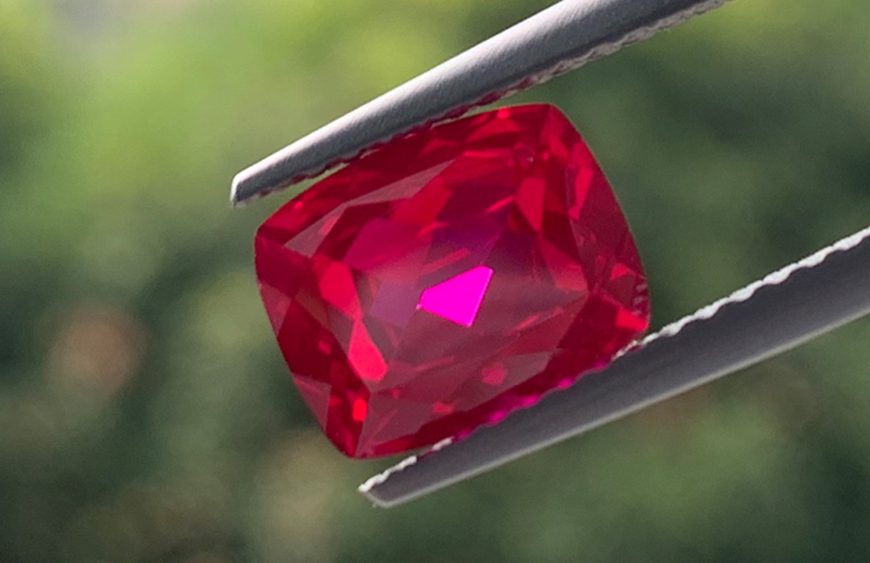
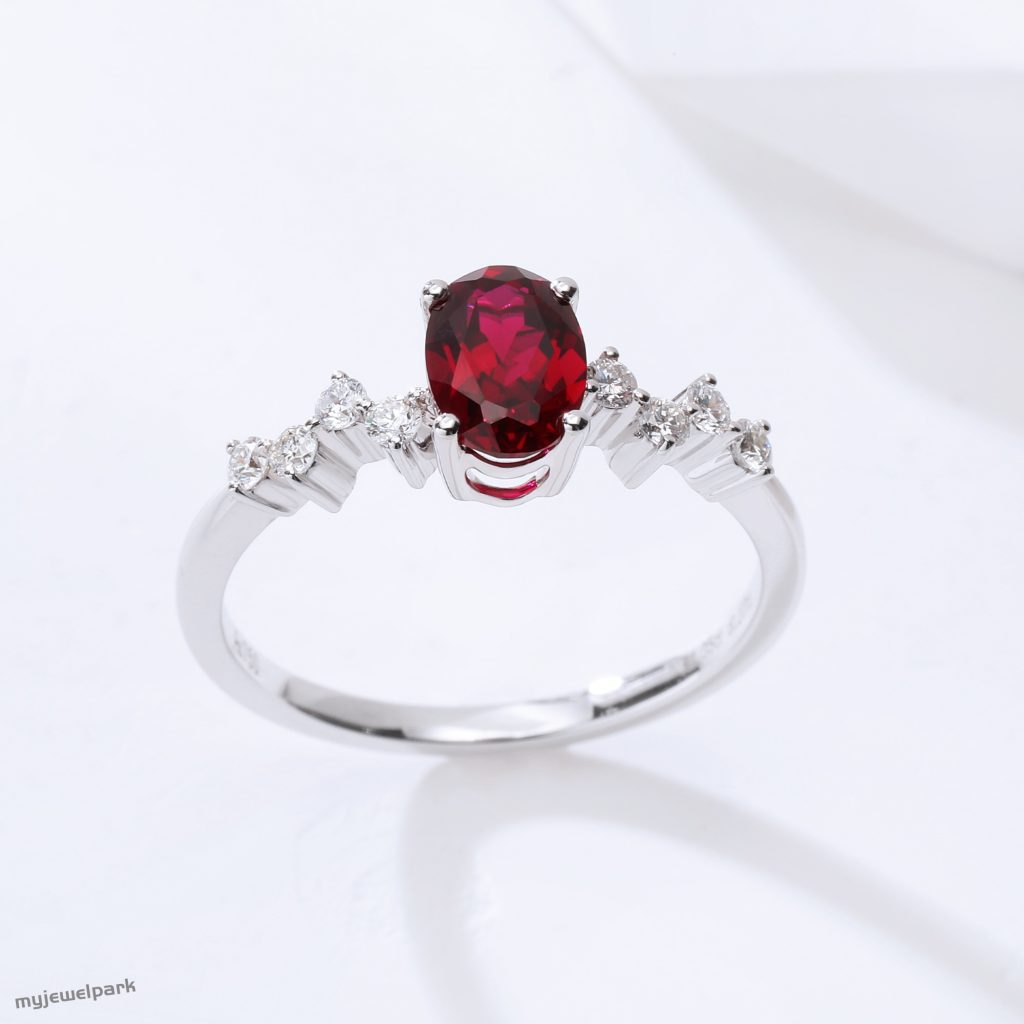
Natural rubies usually show deep red or purple red, while laboratory-grown rubies may sometimes be too uniform and saturated in color. A real natural ruby may have some uneven natural color variations, giving it uniqueness.
2. Check for inclusions
Examining the internal characteristics of the gemstone through a high-power magnifying glass or microscope is an important step in determining its authenticity. Natural rubies usually have natural inclusions such as bubbles and mineral filaments, while laboratory-grown rubies are relatively clean and often show a perfect internal structure. Some laboratory rubies may contain specific growth lines, showing signs of their artificial synthesis.
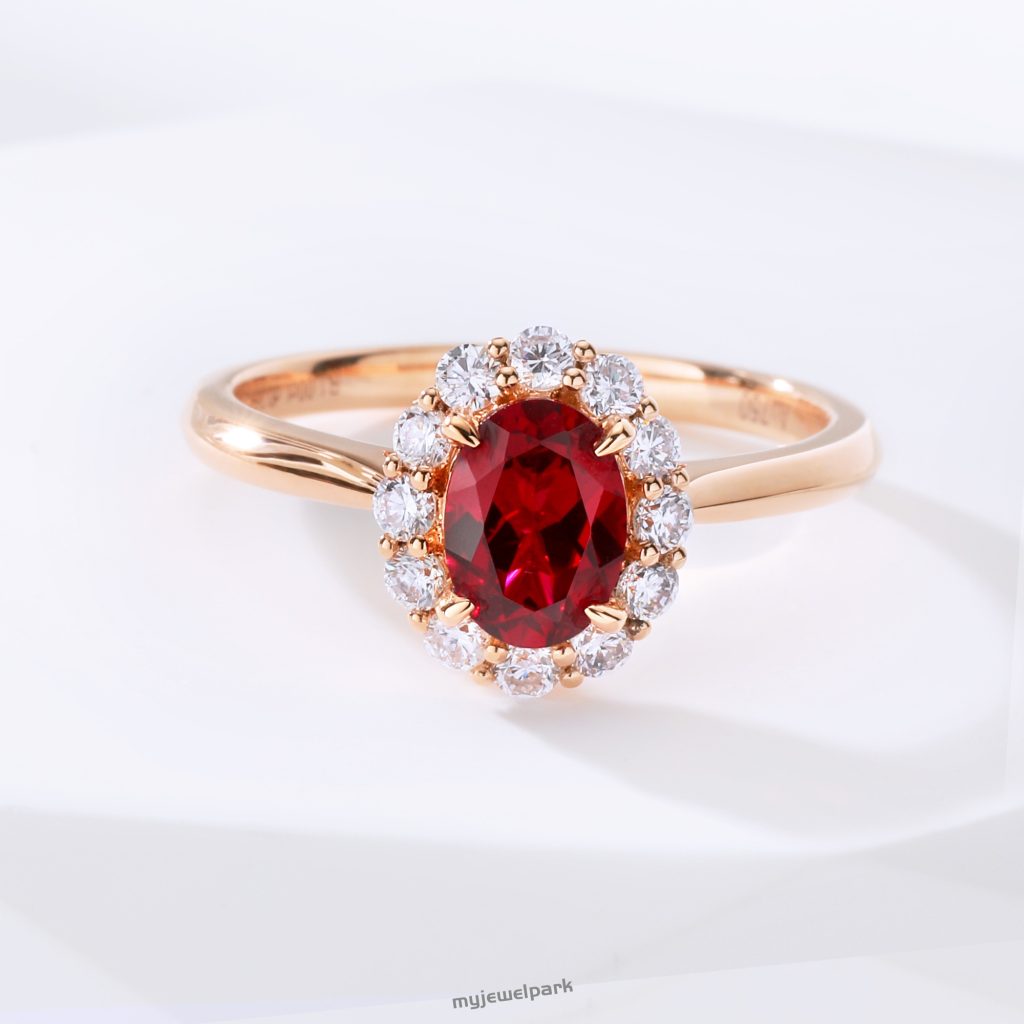
3. Dispersion and luster
The dispersion rate of ruby affects its luster and sparkle. Natural rubies usually have higher luster and fire, while lab-grown rubies may be relatively monotonous in luster and color flow.
4. Temperature test
Ruby has a high thermal conductivity, and you can touch the surface of the gem with your hand. Natural rubies usually feel cooler, while lab-grown rubies may have different temperature sensations due to different synthetic materials.
5. Professional appraisal
The most reliable method is to seek professional jewelry appraisal. Professional institutions can use scientific methods to test the composition and source of gemstones and provide you with a detailed appraisal report to ensure that you are buying natural rubies or lab-grown rubies.