Do Lab Grown Emeralds Hold Their Value? A Comprehensive Guide
Lab-grown emeralds have emerged as major players in the fine jewelry world. Their chemistry matches that of natural emeralds. Their appearance often rivals stones pulled from Colombia’s oldest mines. Still, one question keeps surfacing: Do lab-grown emeralds hold their value?
Technically, they should. Most are created through hydrothermal synthesis, a method that mimics the pressure and temperature conditions found deep underground. The process yields crystals with the same hardness, refractive index, and color saturation as mined stones.
But value isn’t only technical
In 2023, the International Gemological Institute (IGI) published a bulletin noting a major shift. Advanced lab-grown emeralds now show inclusions and growth patterns once believed unique to natural stones. IGI’s gemologists highlighted that some synthetics carried not only expected chevron patterns but also fluid inclusions and structural veils that were previously absent. Identification now requires not just magnification, but full-spectrum spectroscopic analysis.

The blurring of visual lines between lab and natural has raised debate online. On Reddit’s r/jewelry, one post questioning the long-term value of a lab-grown emerald with visible inclusions sparked over 400 comments. The top reply read, “I know it won’t resell at auction, but I’d rather wear something real-looking and traceable than a mined stone soaked in oil.”
That traceability matters. So does perception
According to a 2023 survey from the Global Jewelry Market Research Council, 64% of consumers in North America and Europe said they prefer untreated gemstones, seeing them as better aligned with environmental values. In the same study, nearly half of respondents under 35 described lab-grown gems as more “honest” than mined stones treated with oil or polymers.
This is where hydrothermal cultivation has made its biggest leap
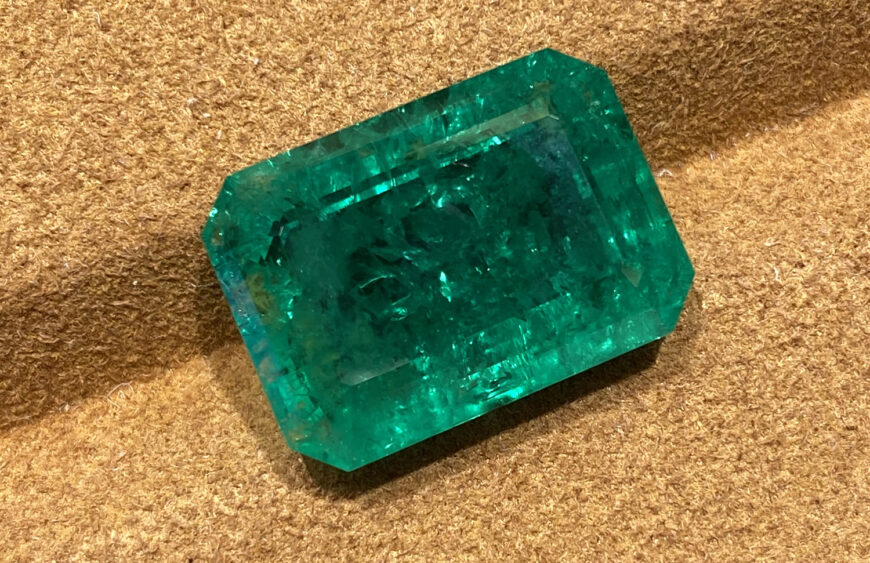
Producers now engineer inclusions into lab emeralds. These are not flaws. They’re deliberate features that mimic what collectors love about natural emeralds: soft clouding, mossy textures, faint milkiness. When done right, these inclusions offer visual depth and complexity without compromising structural integrity.
Brands like Chatham have patented methods that introduce micro-opacities during crystal growth. The result is a gemstone that looks like it formed in the earth but comes without the baggage of extractive mining or post-treatment enhancement.
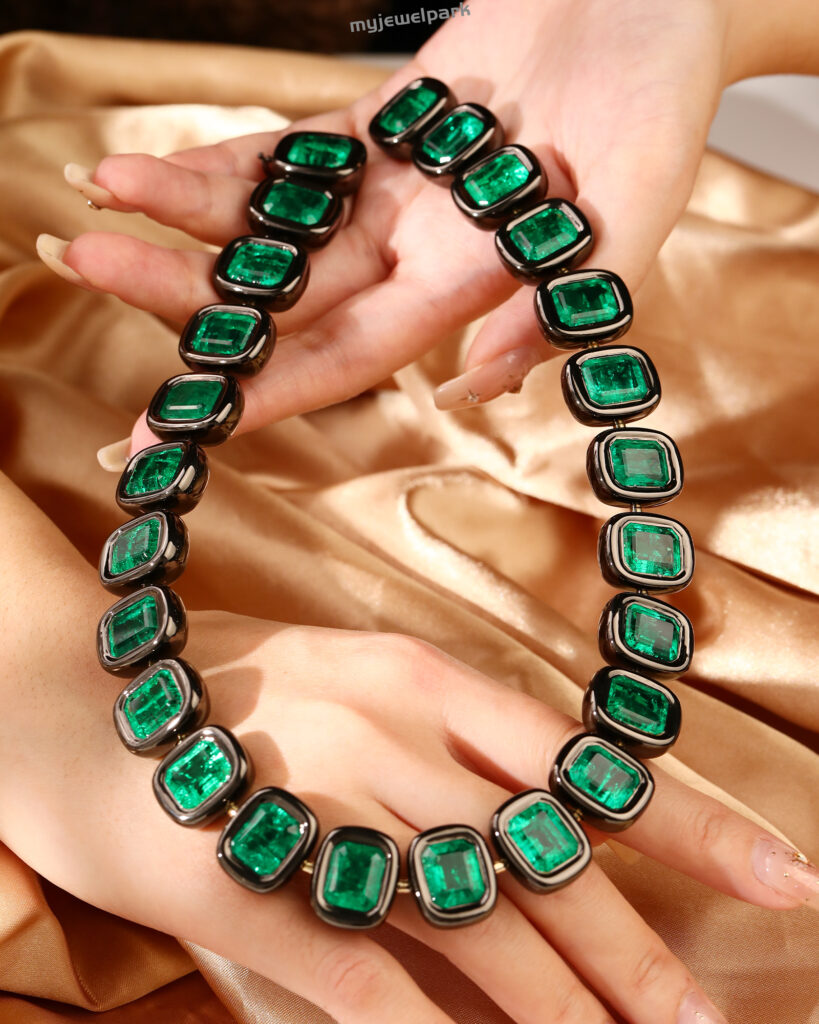
So do lab-grown emeralds hold their value? That depends on what kind of value you mean. On the resale market, they may not yet match mined stones. But in terms of transparency, durability, and emotional relevance, they’re gaining ground fast.
Poll: Which Would You Choose?
A mined emerald, treated with oil or a lab-grown emerald with untreated, natural-style inclusions? In a changing jewelry market, value is no longer just about price tags. It’s about purpose.