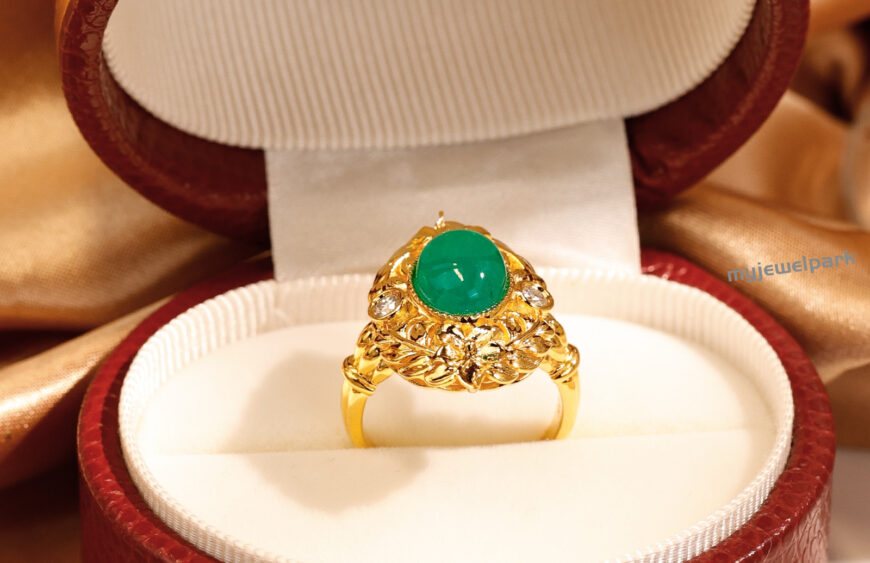
Do Synthetic Emeralds Have Inclusions? The Truth Behind the Shine
Online forums and jewelry-focused subreddits have seen rising debate over synthetic emeralds. One highly viewed video on YouTube claims lab-grown emeralds are “flawless by nature,” while several Reddit threads insist synthetic stones are “too perfect to be real.” On platforms like Quora and GemologyOnline, users argue whether these lab-created gems include the same inner features as their mined counterparts. So, do synthetic emeralds have inclusions?
The Nature of Inclusions in Emeralds
Natural emeralds are known for their internal fractures, gas bubbles, and mineral inclusions. These imperfections are considered part of the gem’s personality. But lab-grown emeralds, depending on how they’re made, can also show inclusions—some natural-looking, some quite different.
According to research published by the Gemological Institute of America (GIA), hydrothermal-grown synthetic emeralds often feature growth tubes, spiky metallic inclusions, and nail-head spicules. These features are not found in natural stones but are still considered inclusions. Flux-grown emeralds, another common method, show what experts call “flux residue” or “veil-like inclusions,” which can resemble fingerprints or patches of melted material under magnification.
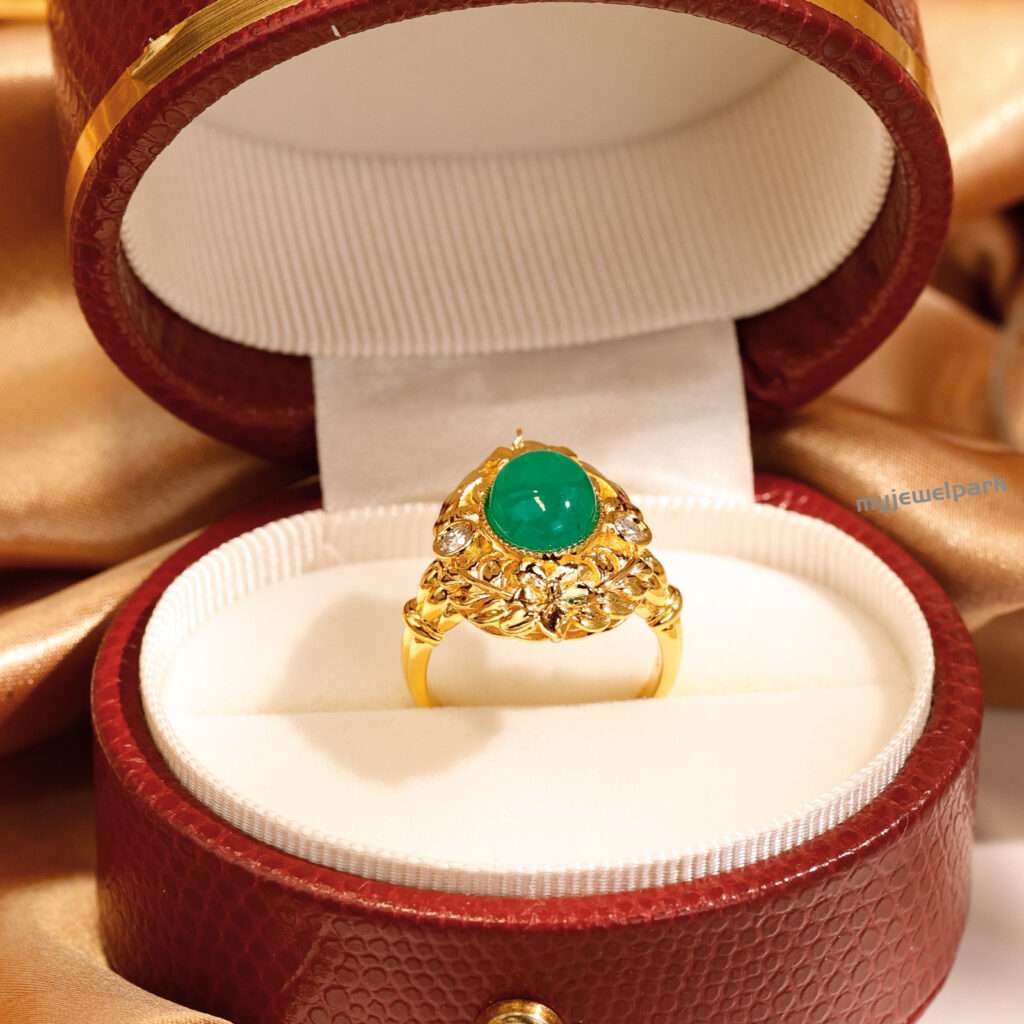
A 2022 report from the Swiss Gemmological Institute (SSEF) found that 82% of synthetic emerald samples tested in their study showed internal features detectable under standard magnification. This undermines the popular belief that synthetic means flawless.
Why the Confusion Exists
Part of the misunderstanding stems from how synthetic gems are marketed. Terms like “lab-grown” or “man-made” can lead consumers to think these stones are perfect replicas without any flaws. Retail language often leans toward perfection, even when the actual product contains distinct inclusions.
Another factor is visual expectation. Because many synthetic emeralds are cleaner to the naked eye than natural ones, people assume they must be flawless. But inclusions in synthetic emeralds can be subtler and may not be visible without magnification.
Lab-Grown Doesn’t Mean Less Authentic
Laboratory-grown emeralds have gained ground not just because they look good but because they align with values. According to a 2023 survey by MVI Marketing, 56% of Gen Z and millennial consumers said they prefer lab-grown stones for environmental and ethical reasons.
Producing emeralds in controlled environments minimizes environmental disruption and eliminates the labor concerns linked to some mining operations. Lab production also allows for better traceability. Every lab-grown stone comes with a known origin, something natural gems can’t always offer.
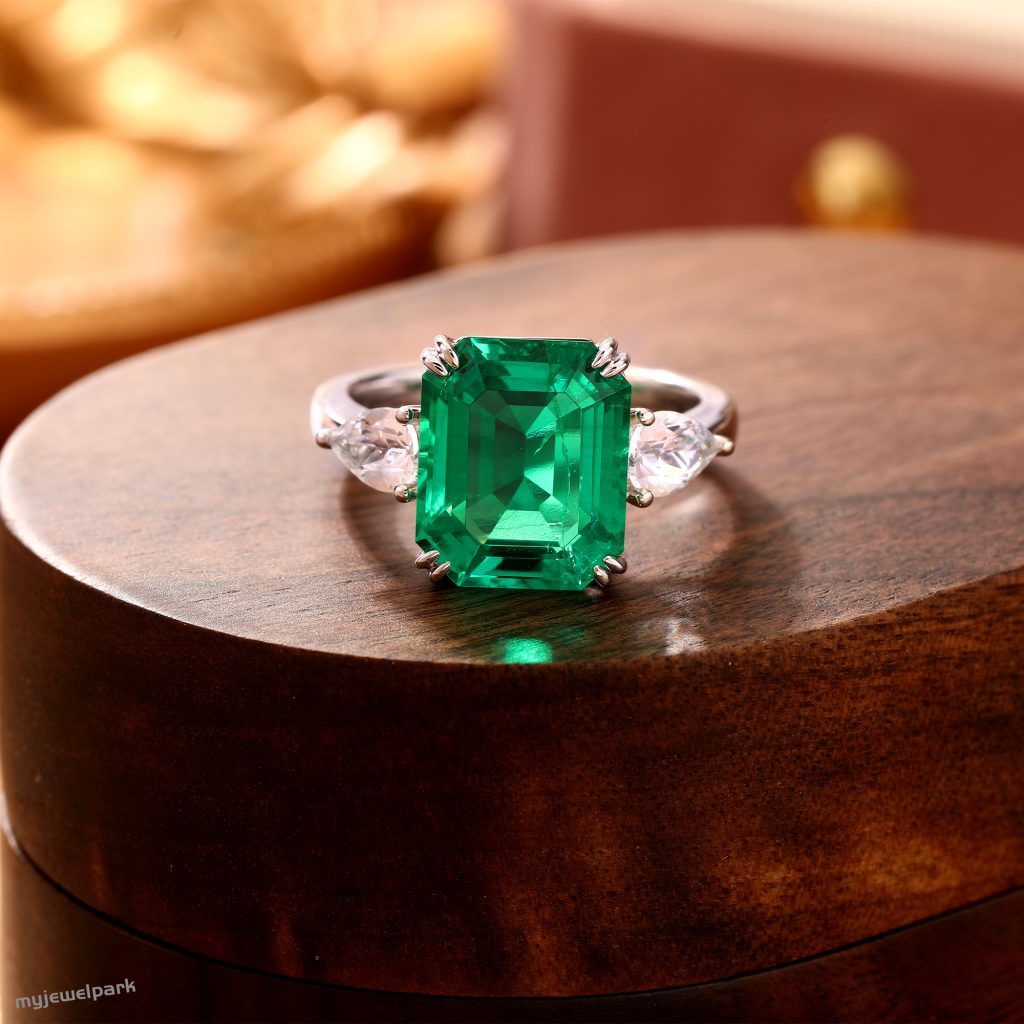
Cost is another major benefit. Lab-grown emeralds typically retail at 30% to 60% less than mined stones of similar visual quality. That opens the door to higher-carat stones and better clarity at a more accessible price point.
The Takeaway
Synthetic emeralds do have inclusions, though they differ in appearance and cause. These internal features serve as important markers in gem identification and shouldn’t be seen as defects. As demand for transparency and sustainability grows, lab-grown emeralds offer a compelling alternative that blends beauty with ethics—and yes, a few inclusions too.