Does Paraiba Tourmaline Glow in the Dark
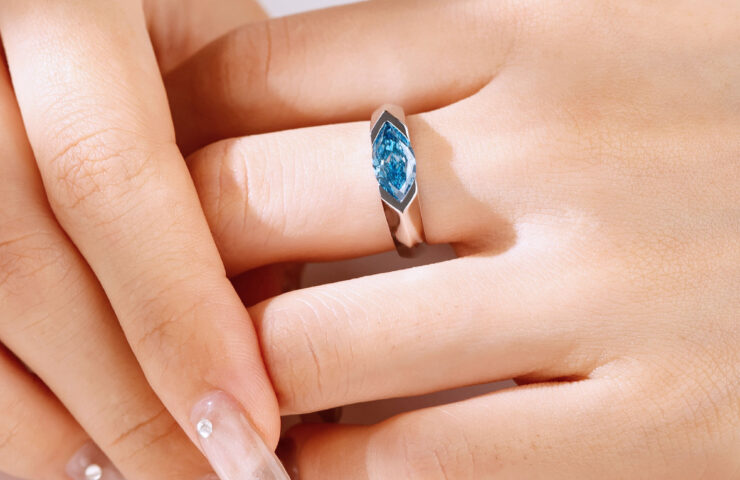
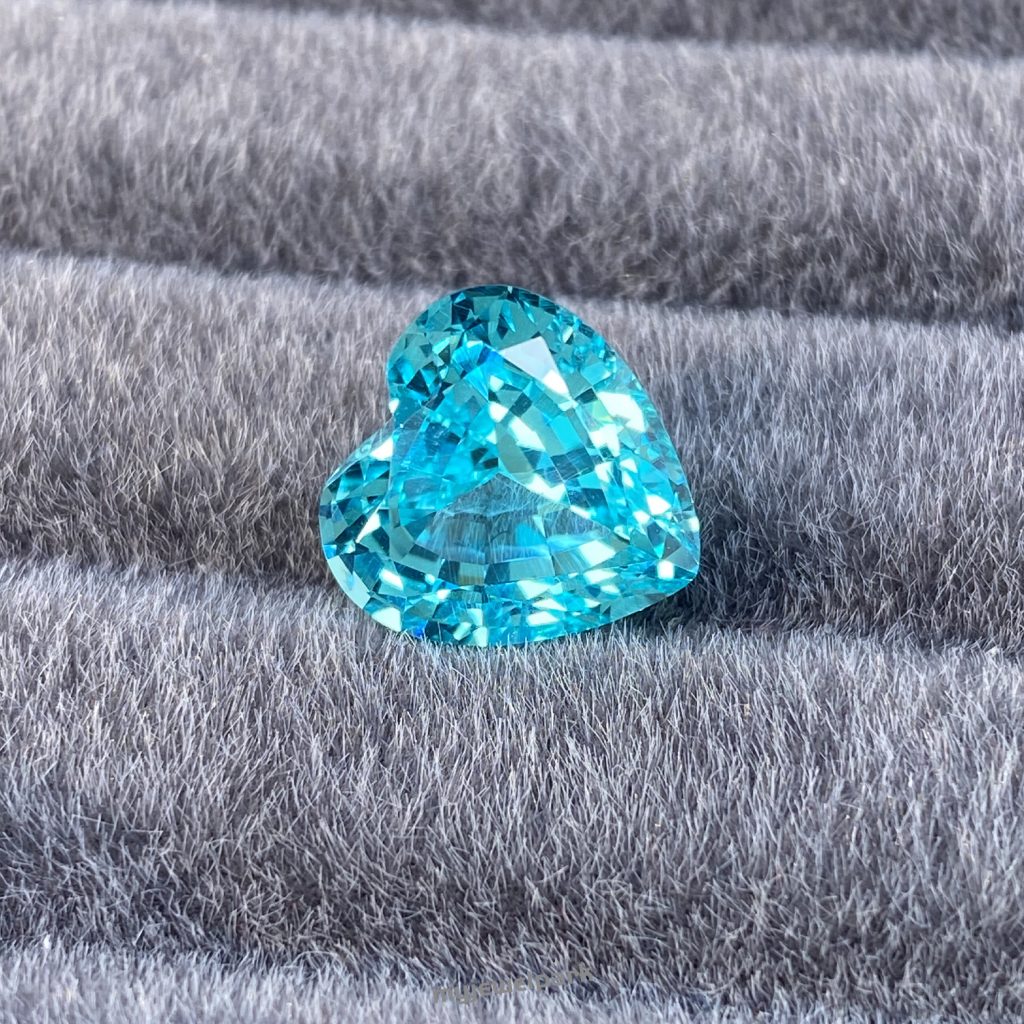
Paraiba tourmaline is famous for its neon-like glow, often described as electric blue or green. This vivid appearance, caused by trace amounts of copper and manganese, gives the impression that the stone emits light. However, it does not actually glow in the dark. What people perceive as glowing is the gem’s ability to reflect and refract light in a highly efficient way, even in low-light environments.
The Illusion of Glow
Paraiba tourmalines do not contain any phosphorescent or luminescent materials. When placed in complete darkness, the stone emits no visible light. The “glow” effect comes from how it interacts with ambient light, especially sunlight or strong artificial lighting. The copper content in the stone enhances its optical properties, giving it a luminous appearance under regular viewing conditions.
A study published by the Gemological Institute of America confirmed that Paraiba tourmalines show no fluorescence under ultraviolet light in most cases. Still, their brightness remains a point of fascination. Under magnification, these stones often exhibit internal reflections and vivid color zones that intensify the glowing illusion. The combination of vivid tone and strong saturation creates an optical effect unlike other gemstones.
Mixed Reactions in Online Communities
On platforms like Reddit and The Gem Society’s forum, users frequently share images of Paraiba tourmalines under different lighting conditions. In one thread, a collector posted a close-up photo of a Brazilian stone that appeared to emit a soft blue light even in shadow. While some users believed it was due to exceptional clarity and color, others argued it must have been a manipulated image or a synthetic gem.
YouTube reviewers have added fuel to the confusion. Some creators showcase Paraiba tourmalines with titles like “This Stone Glows on Its Own?” or “Glowing Blue Without a Light Source.” In the comments, viewers debate whether these stones naturally glow, with many confusing internal light reflection with actual luminescence. Some even claim that certain stones “charge up” in sunlight, although this is not supported by gemological research.
These debates often highlight a broader misunderstanding between optical brilliance and fluorescence. While many buyers appreciate the luminous look, they are not always aware of the physical properties that create it.
Lab-Grown Tourmaline and Optical Precision
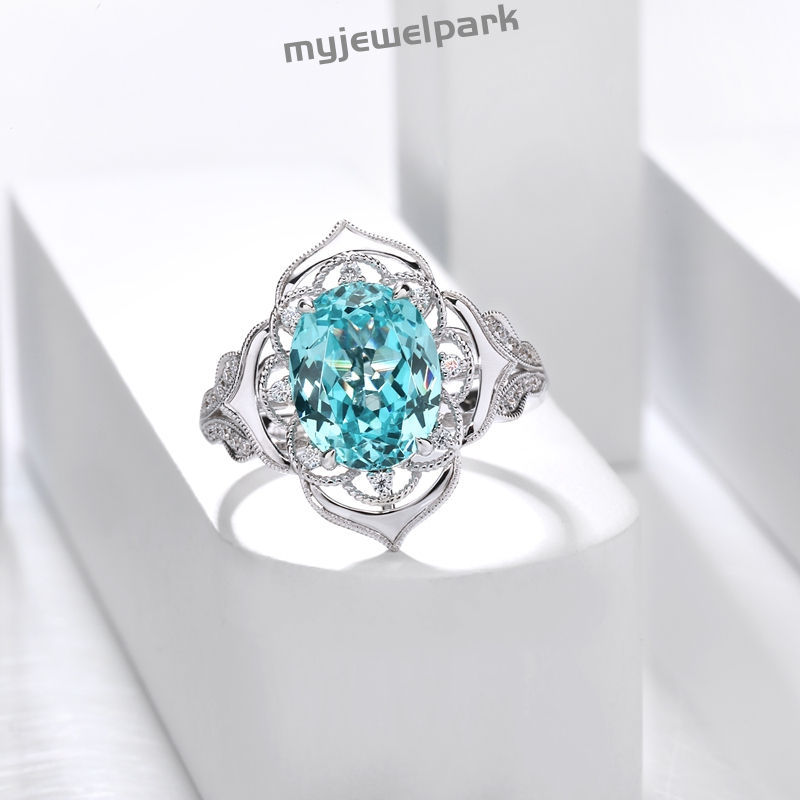
Lab-grown tourmaline, though not yet widely available, offers a way to control the visual impact of color and clarity. Synthetic stones can be cultivated with precise copper and manganese levels, producing vibrant colors that mimic high-end natural specimens. Using natural seed crystals, some labs have developed tourmalines with internal zoning, cream bodies, and structured inclusions that resemble mined material.
Although Paraiba tourmaline remains difficult to synthesize, related projects in emerald and sapphire cultivation suggest what is possible. A 2023 report by the International Gemological Institute found that 59 percent of consumers under 40 would consider lab-grown stones if the appearance matched natural ones. Many cited ethical sourcing, color consistency, and cost transparency as reasons for their preference.
For future buyers, lab-controlled environments could provide access to tourmalines with vivid glow-like visuals and documented properties. While true luminescence may not be achievable, the optical effect can still be replicated with remarkable accuracy.