In the jewelry world, cultured rubies are highly valued for their gorgeous color and superior durability. Understanding the hardness and scratch resistance of cultured rubies is essential for selecting and maintaining this type of jewelry.
1. Hardness Characteristics
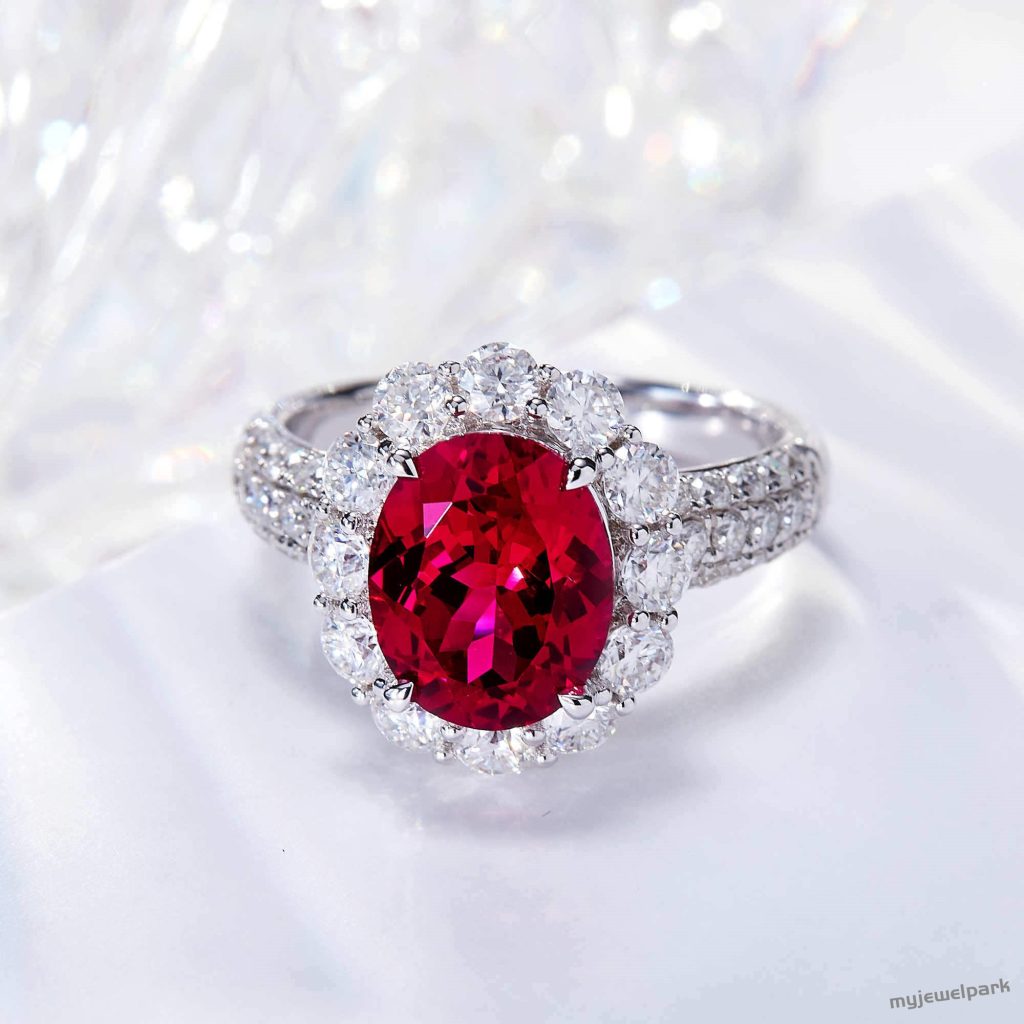
Cultured rubies have a hardness of 9 on the Mohs hardness scale, second only to diamonds. This high hardness allows rubies to maintain their shape and luster in various daily activities and resist general wear and scratches. Whether as a ring, necklace or bracelet, rubies show excellent wear resistance, ensuring that they are not easily damaged during wear.
2. Scratch Resistance
Cultured rubies have excellent scratch resistance. In daily life, jewelry is often at risk of collision and friction. The durability of rubies ensures that they can still maintain their beauty under these conditions. This means that you don’t have to worry about damaging your ruby jewelry.
3. Comparison with Natural Ruby

Cultivated rubies are physically identical to natural rubies, with the same hardness and durability. The only difference is in the process of formation. Cultured gemstones are made in a laboratory environment using modern technology. This manufacturing method makes them more cost-effective. At the same time, the beauty and durability of natural rubies are maintained.
4. Maintenance and Care
Although cultured rubies have good durability, proper care is still essential. Regular washing with warm water and mild soap to remove surface dirt and grease will help maintain its luster. In addition, avoiding direct collision or friction with other hard objects will help extend its life.
Cultured rubies are an ideal jewelry choice due to their excellent hardness and scratch resistance. By understanding these characteristics, you will be able to better choose, wear and maintain your jewelry.