The history of necklaces dates back to the early stages of human civilization and is closely associated with many important cultural symbols.
The Birth of Necklaces
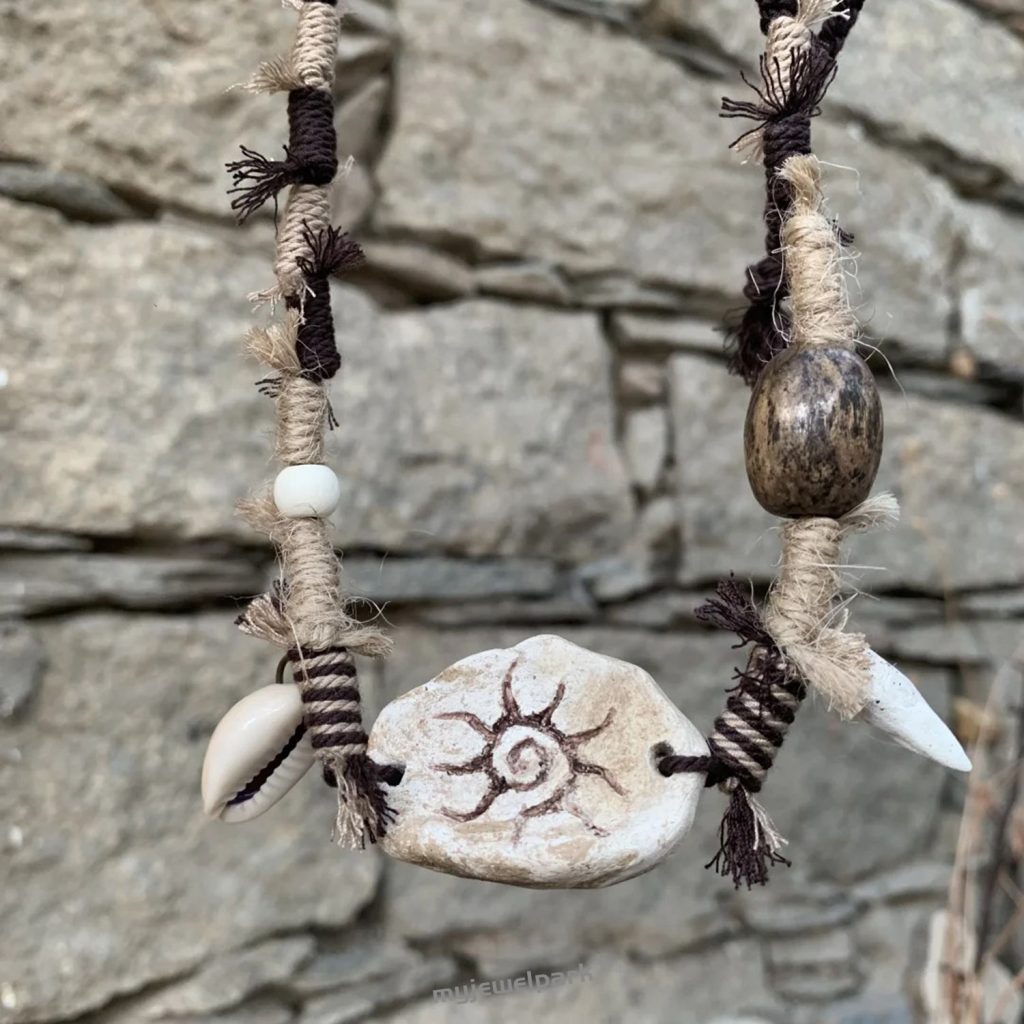 Archaeologists’ discoveries show that the earliest necklaces appeared in prehistoric times, when people made simple ornaments from natural materials such as shells, bones, and stones. These primitive necklaces were not only beautiful decorations, but also a symbol of status and wealth. They were often seen as having spiritual and magical significance and were responsible for protecting the wearer.
Symbolism
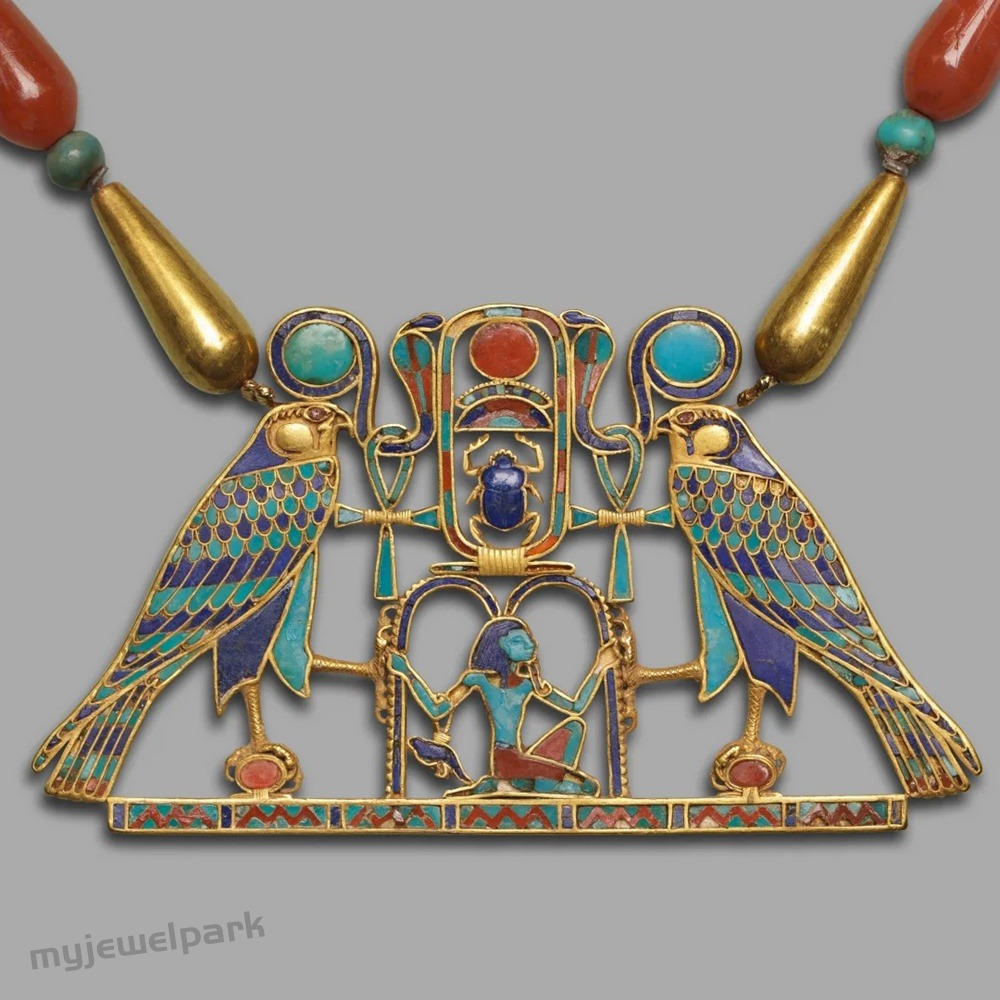 As society evolved, the craftsmanship and complexity of necklaces gradually increased. In ancient Egypt, necklaces became exquisite works of art, made of precious metals such as gold and inlaid with various gemstones. These necklaces were not only visual enjoyment, but also carried profound symbolic meanings, and were often buried with the deceased to ensure that their souls would continue to be protected in the afterlife. Semi-precious stones such as turquoise and lapis lazuli were common, and they were believed to symbolize strength and divine protection.
Exquisite religious features
 Into the Middle Ages, the design style of necklaces continued this exquisite and complex style. Necklaces of this period often featured religious themes, reflecting the great influence of the church. Goldsmiths and jewelers began to experiment with more detailed and complex techniques, such as enamel and filigree, creating stunning works of art. During the Renaissance, jewelry craftsmanship reached a new high point, and designers were inspired by the artistic styles of the time to create a variety of necklaces that combined multiple materials and innovative designs, becoming true masterpieces of art.
The Rise of Artificial Jewelry
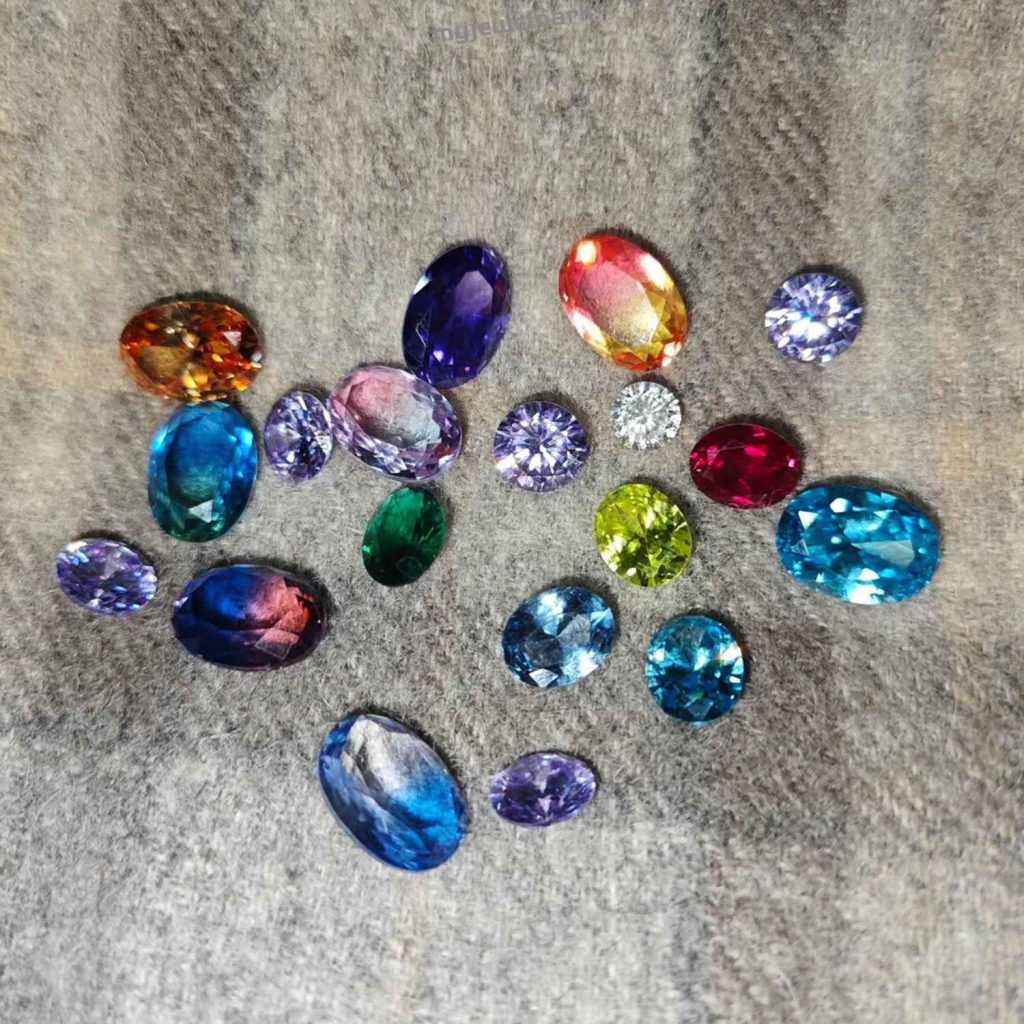 The 19th and 20th centuries saw major changes in necklace design, with organic forms and naturalistic themes from the Art Nouveau period making jewelry more expressive. The rise of artificial jewelry has gradually brought fashionable necklaces into the public eye, and the use of new materials such as plastic and glass has broadened the design possibilities and made jewelry more affordable and accessible.
Driven by modern design and technological advances, the evolution of necklaces continues. The versatility of modern necklaces not only reflects the accumulation of history and culture, but also carries the innovation of science and technology, ensuring its eternal appeal in the future.